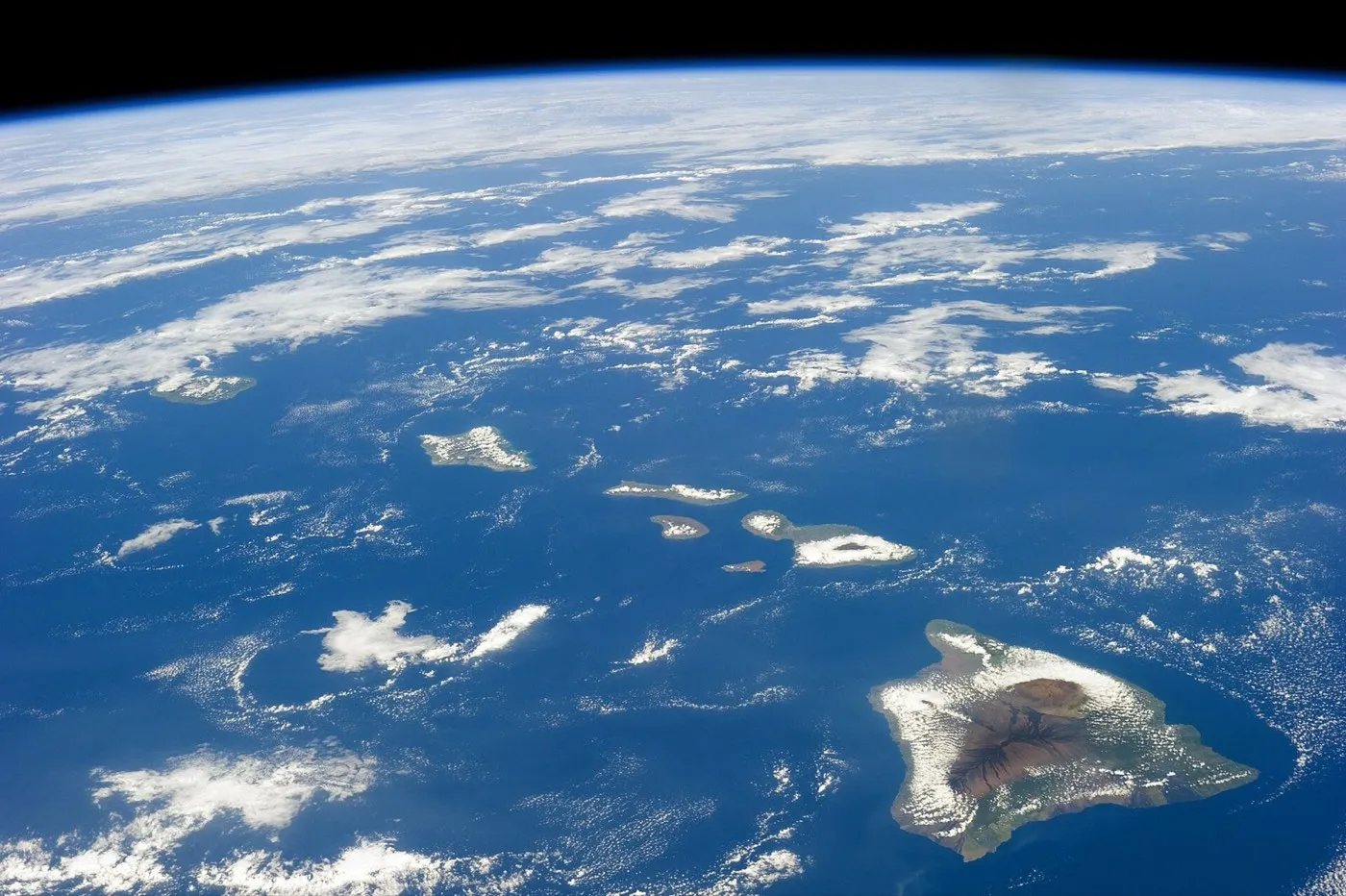
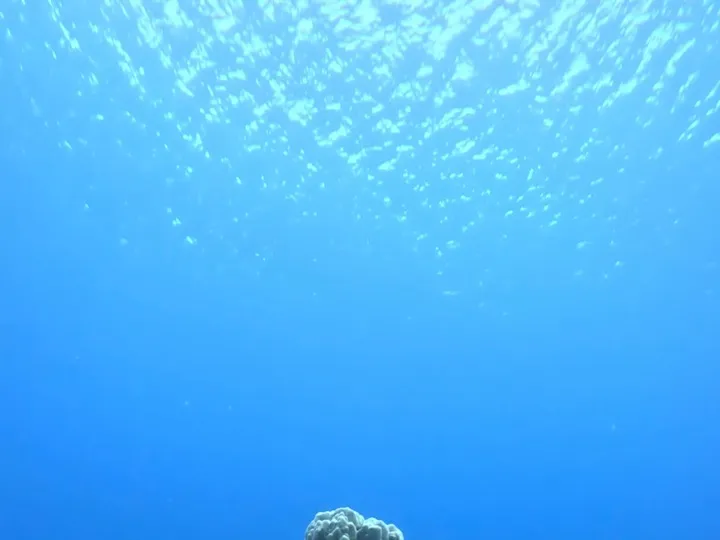
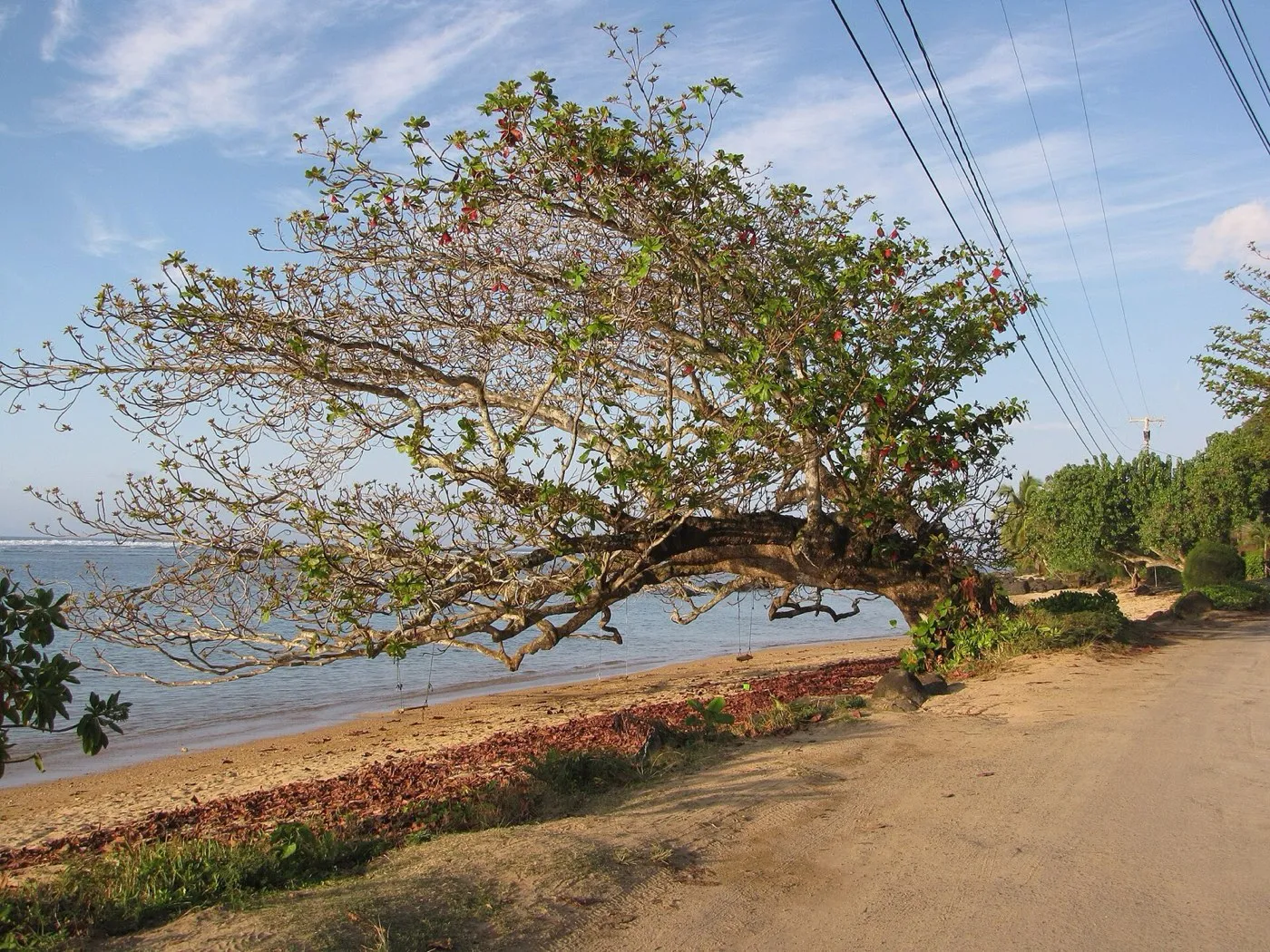
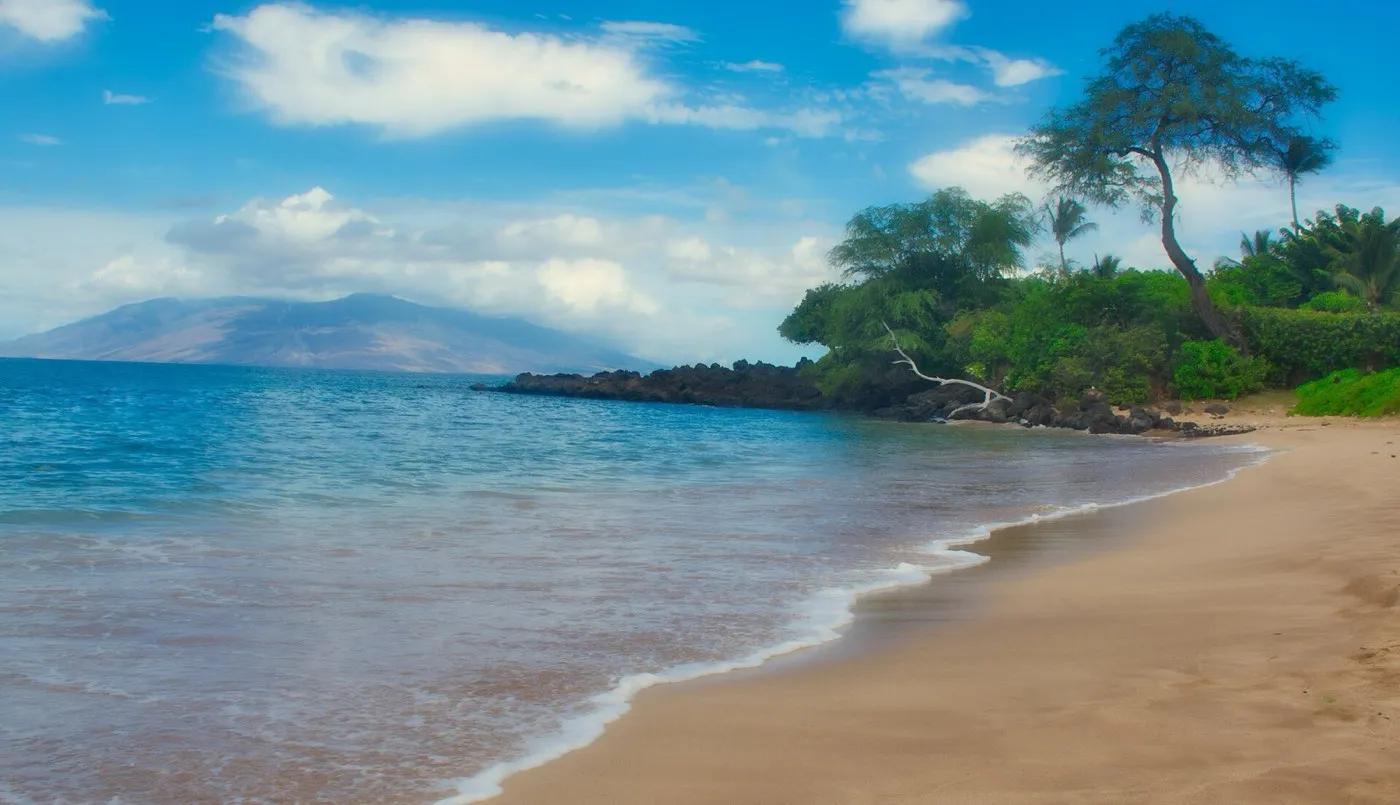
Snorkeling in HawaiiPhoto: NASA, Public domain
Snorkeling guide

Snorkeling in Hawaii: The Best Spots by Island

Watch turtles graze in knee-deep water, float over a sunken crater on Maui, meet manta rays on the Kona coast at night and swim a north shore reef on Kauai. Each island has its own season, so pick the coast that is calm on your dates.

Green sea turtleHawaiian monk sealSpinner dolphinHumpback whale
Why snorkel Hawaii?

Hawaii at a glance

Each of Hawaii's four main snorkeling islands rewards a different trip. Oahu is the easiest, with a protected reserve at Hanauma Bay, Waikiki turtles and summer North Shore coves. Maui has the boat trip to Molokini crater and the south shore reef at Makena where turtles feed. The Big Island has the clearest water, the Kona coast and the night manta snorkel. Kauai has the long north shore reef at Tunnels and the Na Pali Coast by boat.

The water stays in the high 70s to low 80s F all year, so season is about swell, not temperature. In summer the north and east shores are calm. In winter, big swells move you to the south and west shores, and humpback whales arrive.

Know the rules before you pack. Hawaii has banned the sale of sunscreen containing oxybenzone and octinoxate since 2021, Maui County only allows mineral sunscreen, and wildlife distances apply on every beach. Visitors also account for most of the state's snorkel drownings, so choose calm beaches and use a conventional mask.

Water temperature
77 to 82 F through the year (NOAA Honolulu gauge, 2022 to 2025 monthly means)
Easiest island
Oahu, with Hanauma Bay and Waikiki
Best boat trips
Molokini (Maui), Na Pali Coast (Kauai) and manta night snorkels (Big Island)
Sunscreen
No oxybenzone or octinoxate sales statewide. Mineral only in Maui County.
Turtle distance
10 ft from green sea turtles
Monk seal distance
50 ft from Hawaiian monk seals
Where should I snorkel?

Hawaii snorkel map

Tap a spot to see what it is like, then open its guide or get directions.

Snorkel spot
What can I see?

What you can see in Hawaii

Tap a card for spotting tips and the Guardian rule for each animal. Filter by what you most want to meet.

Best snorkel spots

Best places to snorkel in Hawaii

Manta Ray Night SnorkelFull guide
Big Island

Manta Ray Night Snorkel

After dark, you float over a light board while reef manta rays loop and flip below. Boat trip from Keauhou or Honokohau, year round.

By boatBeginner20 to 50 ftFee
Kealakekua Bay (Captain Cook Monument)Full guide
Big Island

Kealakekua Bay (Captain Cook Monument)

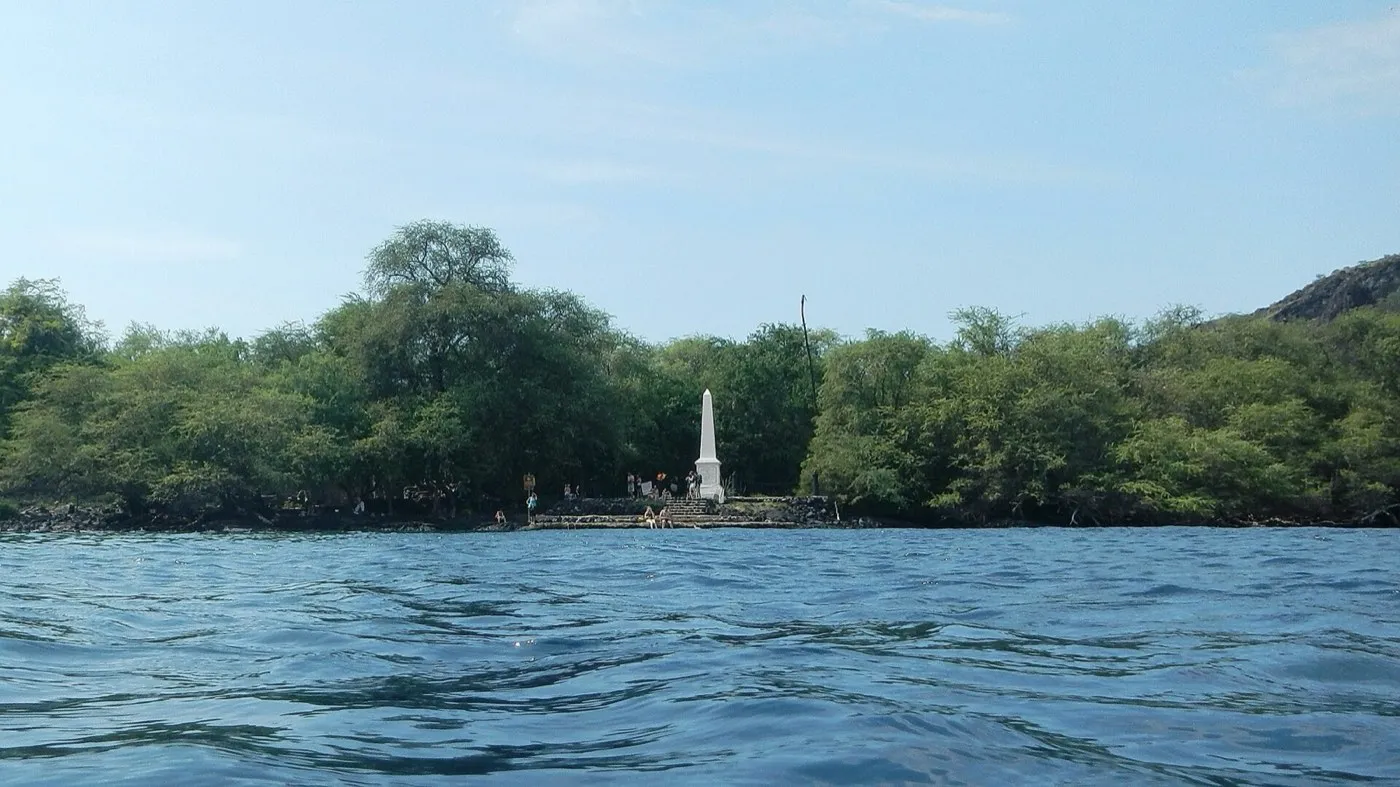
Coral, spinner dolphins and the Captain Cook Monument in a Marine Life Conservation District. Reach it by boat, guided kayak or a long hike.

By boatBy kayakFrom shoreIntermediate5 to 40 ft
Two Step (Honaunau Bay)Full guide
Big Island

Two Step (Honaunau Bay)

A lava ledge by the Honaunau boat ramp drops you onto a steep reef with turtles and spinner dolphins in the bay. Booties help.

From shoreIntermediate6 to 30 ft
Poipu Beach ParkFull guide
Kauai

Poipu Beach Park

A tombolo shelters this beach, with turtles, a lifeguard and easy sand entry. Monk seals haul out here, so give them room.

From shoreBeginner1 to 12 ft
Tunnels Beach (Makua)Full guide
Kauai

Tunnels Beach (Makua)

The north shore reef everyone has heard of, off Haena. Summer only, no lifeguard, tightly limited parking, and part of the reef is closed.

From shoreIntermediate3 to 20 ft
Anini Beach ParkFull guide
Kauai

Anini Beach Park

Calm summer shallows behind a long fringing reef. A new lifeguard tower opened in Oct 2026. Stay clear of the Back Channel at the west end.

From shoreBeginner1 to 10 ft
Turtle Town (Makena)Full guide
Maui

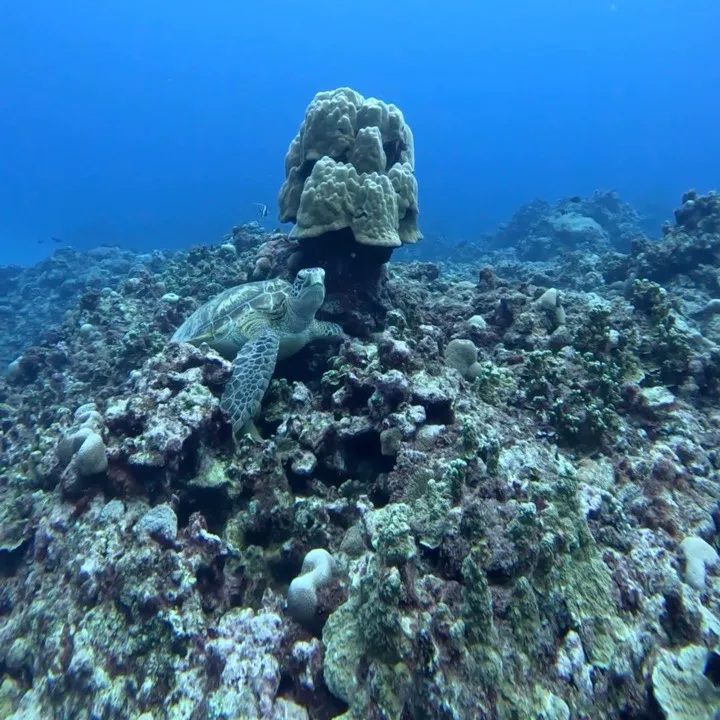
Turtle Town (Makena)

Green sea turtles feed and rest on this Makena lava reef. Swim from Maluaka or Makena Landing, or join a boat or kayak trip.

From shoreBy boatBy kayakIntermediate3 to 20 ft
Molokini CraterFull guide
Maui

Molokini Crater

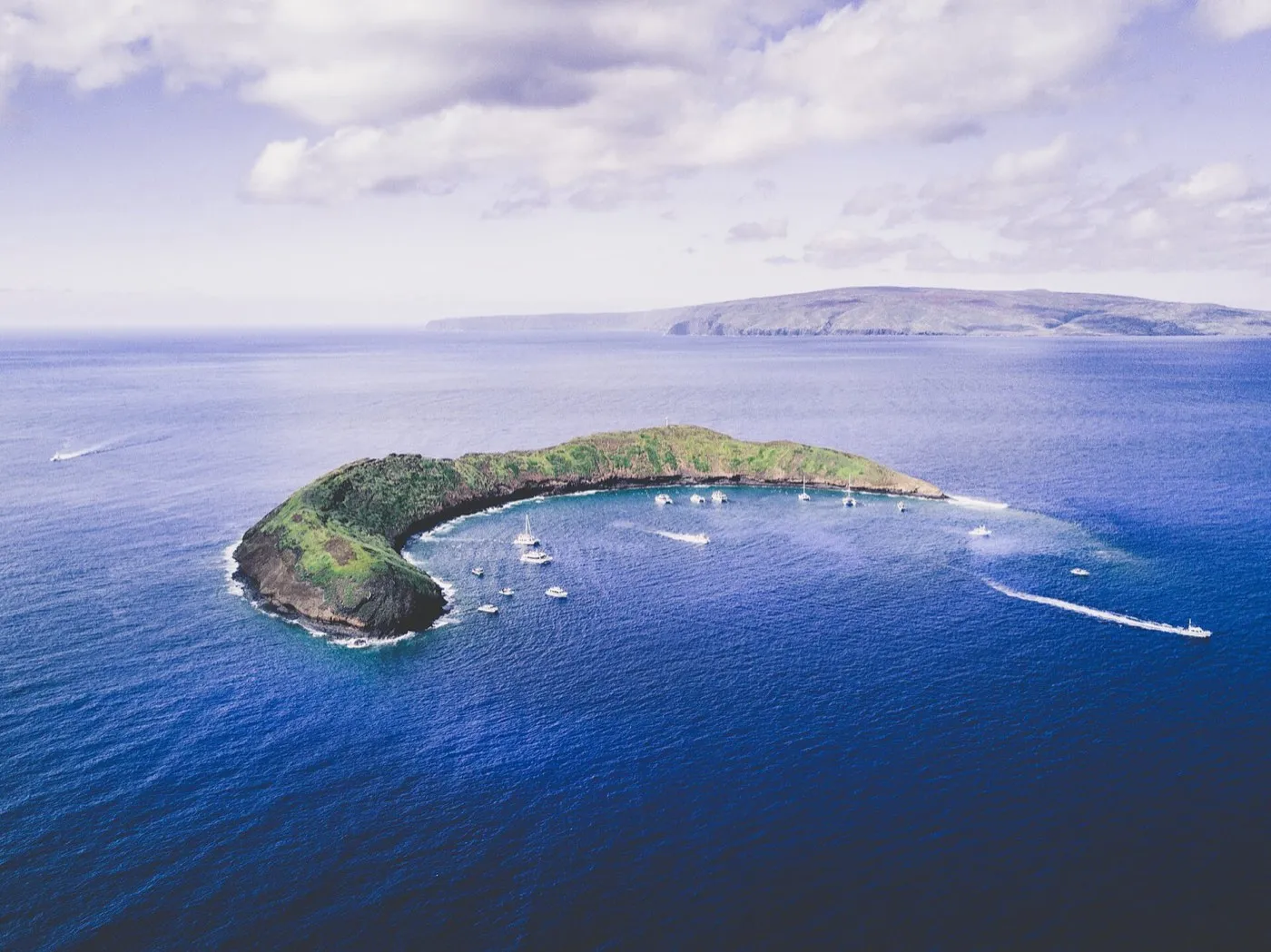
Swim inside a crescent-shaped volcanic crater and Marine Life Conservation District, reached only by boat on a morning tour.

By boatIntermediate5 to 40 ftFee
Honolua BayFull guide
Maui

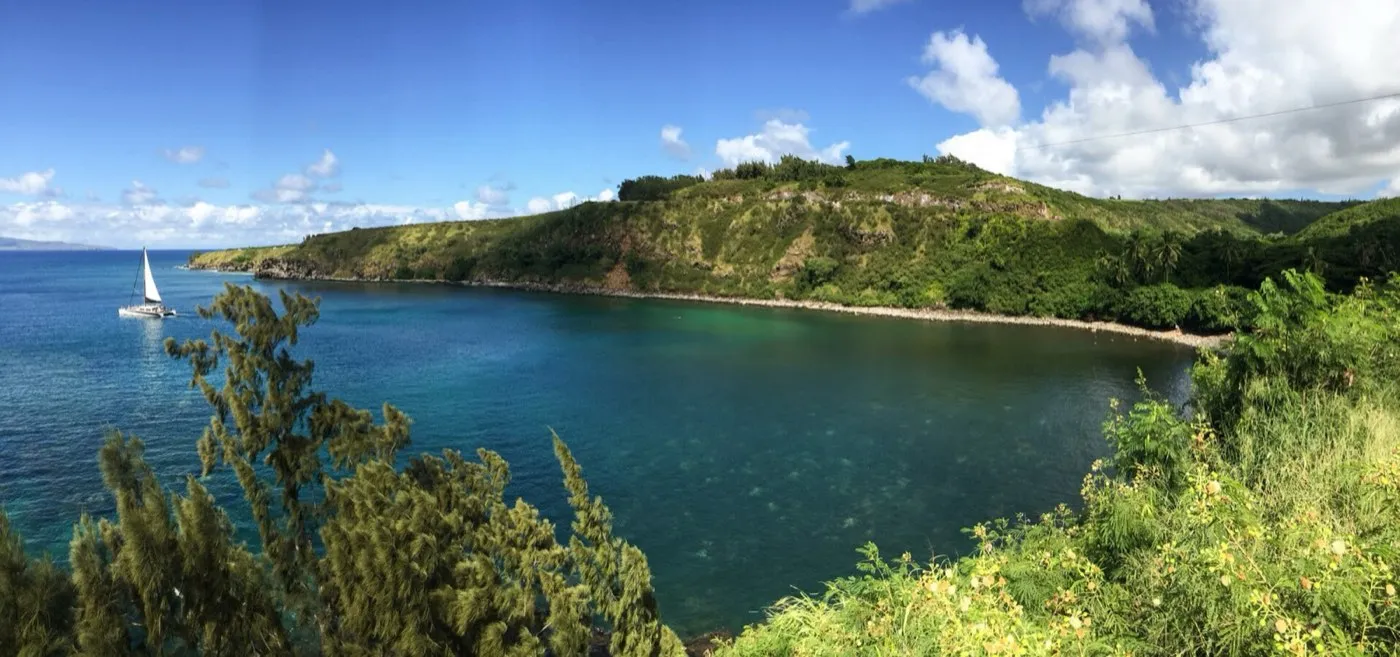
Honolua Bay

A rocky northwest cove in a Marine Life Conservation District. Snorkel it in summer, and leave it to surfers in winter. Short trail, no facilities.

From shoreBy boatIntermediate3 to 30 ft
Black Rock (Puu Kekaa), KaanapaliFull guide
Maui

Black Rock (Puu Kekaa), Kaanapali

A lava headland at the north end of Kaanapali Beach, with sandy-bottom shallows out to about 30 ft and turtles grazing nearby.

From shoreBeginner3 to 30 ft
Kapalua BayFull guide
Maui

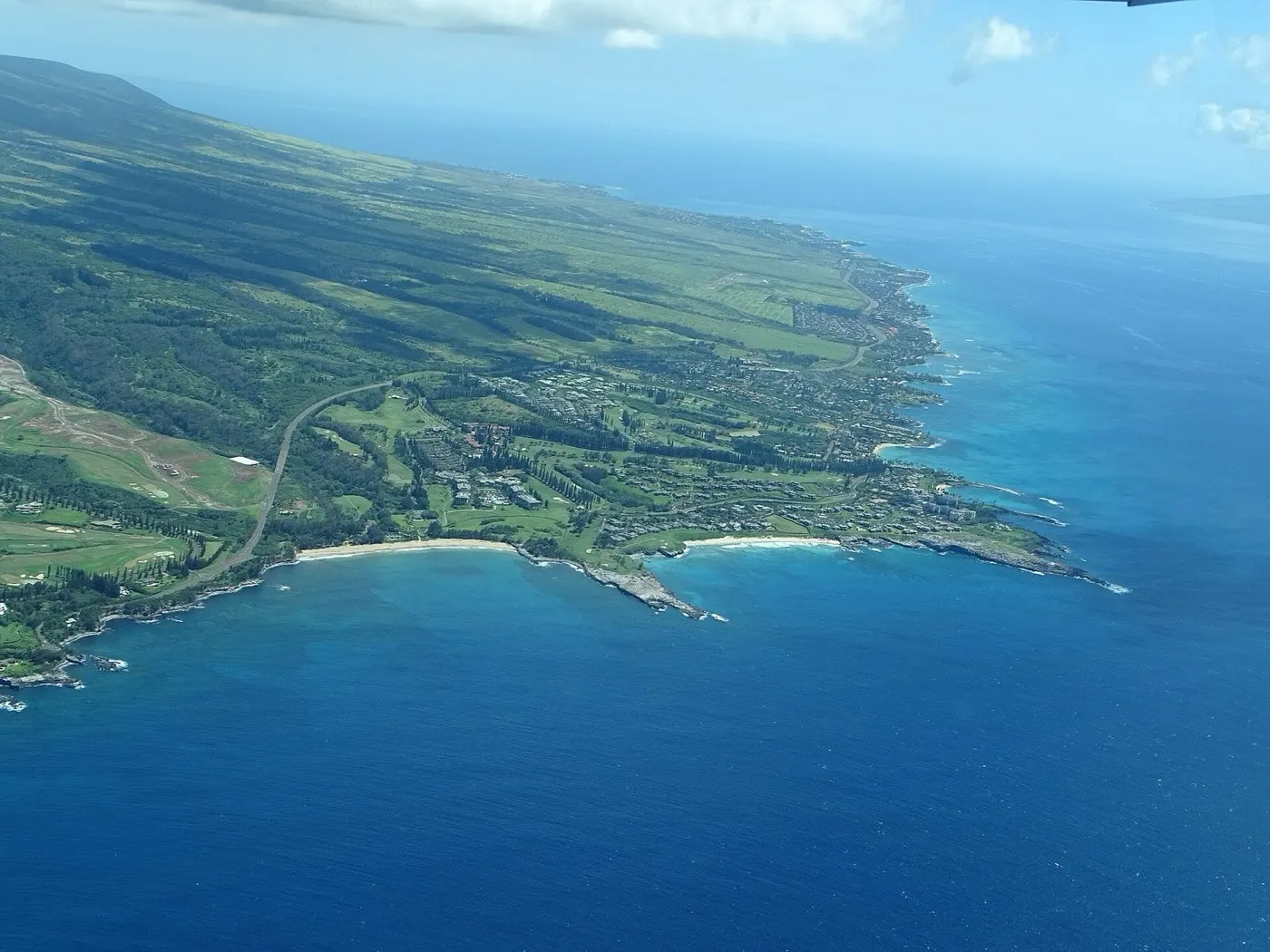
Kapalua Bay

Golden sand, usually calm water, stairs to the beach, restrooms and showers: a semi-protected cove that is easy for first-timers.

From shoreBeginner3 to 25 ft
Hanauma Bay Nature PreserveFull guide
Oahu

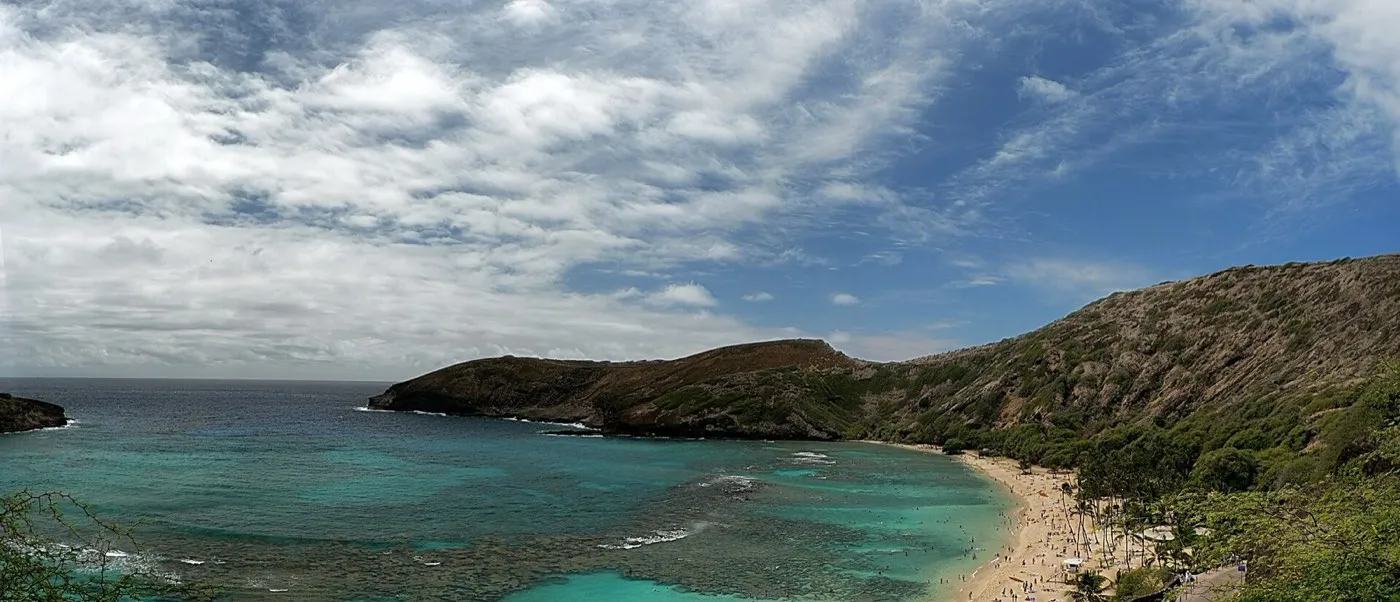
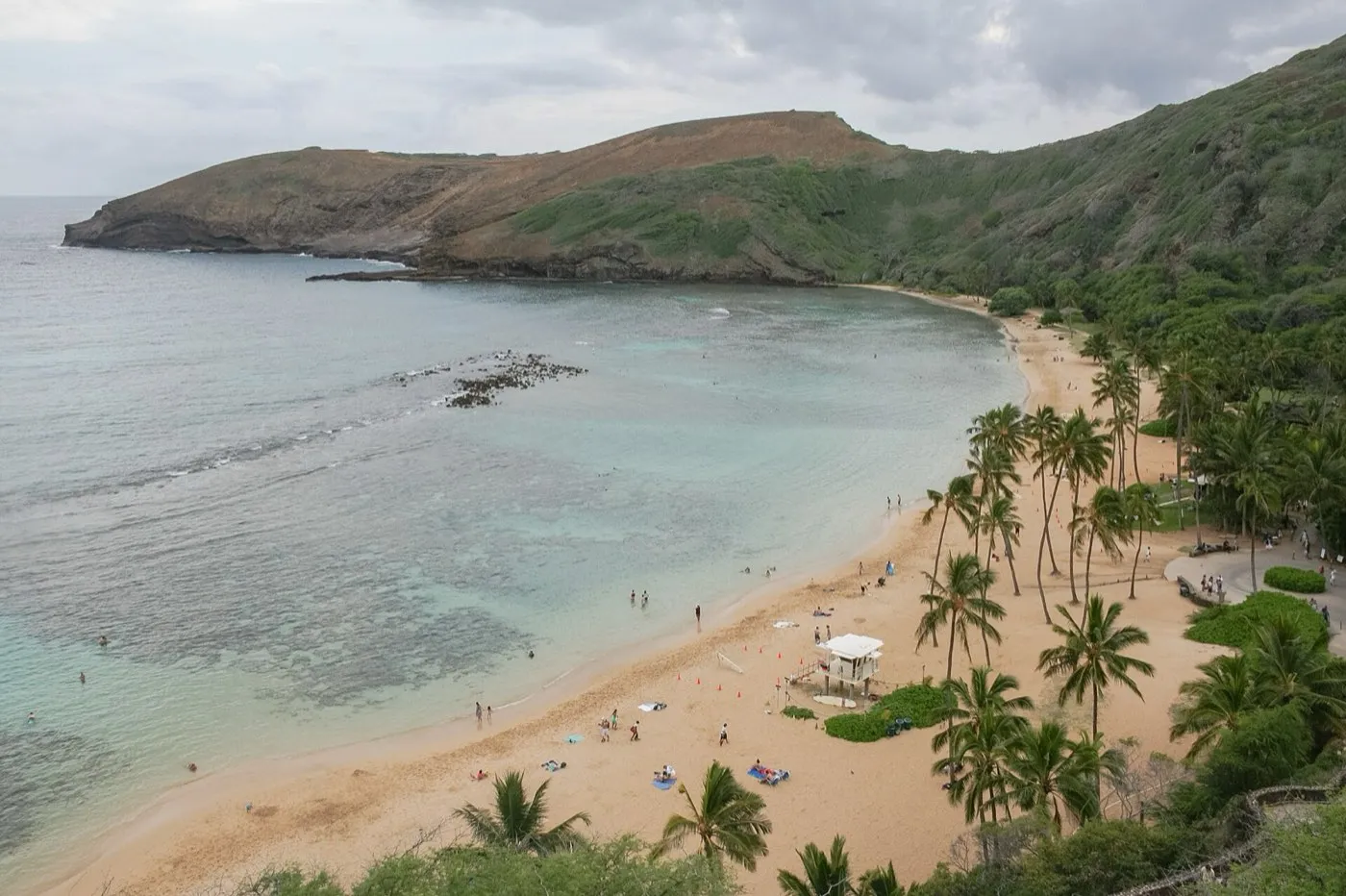
Hanauma Bay Nature Preserve

Turtles and hundreds of fish fill the shallow inner reef of this protected volcanic crater bay. Reservations required, closed Mon and Tue.

From shoreBeginner2 to 40 ftFee
Sharks Cove (Pupukea)Full guide
Oahu

Sharks Cove (Pupukea)

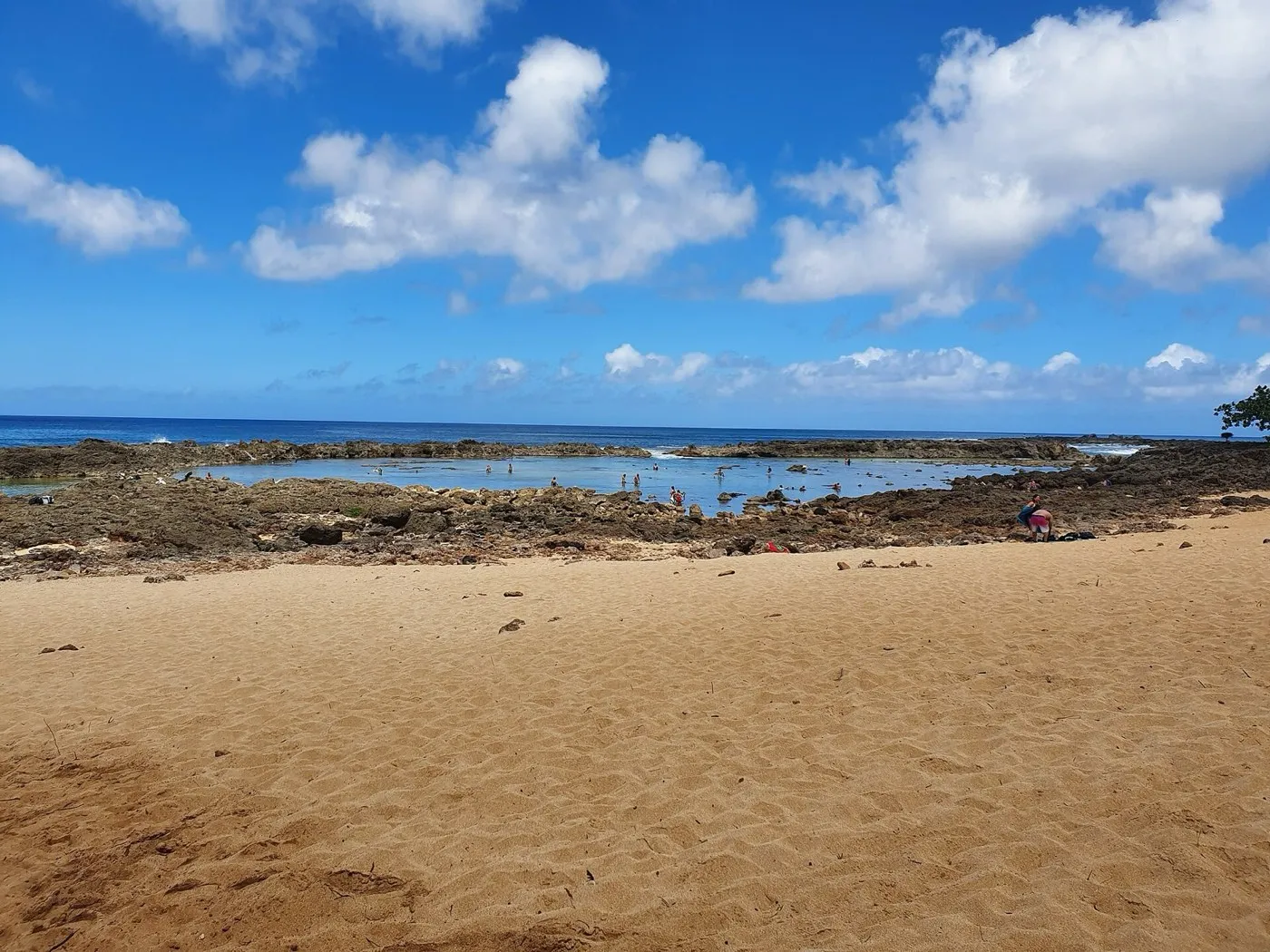
Clear summer water, tide pools and reef fish fill this lava-rock cove in the Pupukea marine reserve. Unsafe in winter surf.

From shoreIntermediate2 to 20 ft
Waikiki (Queen's Surf and Waikiki MLCD)Full guide
Oahu

Waikiki (Queen's Surf and Waikiki MLCD)

A marine reserve fronts Queen's Surf and the Waikiki Aquarium, plus easy Kaimana Beach. Calm days only, and boats run to Turtle Canyon.

From shoreBy boatBeginner2 to 15 ft
Electric Beach (Kahe Point)Full guide
Oahu

Electric Beach (Kahe Point)

Warm water from the Kahe power plant outflow draws turtles, tang schools and sometimes dolphins, well offshore. Strong swimmers only.

From shoreAdvanced10 to 20 ft
Ko Olina lagoonsFull guide
Oahu

Ko Olina lagoons

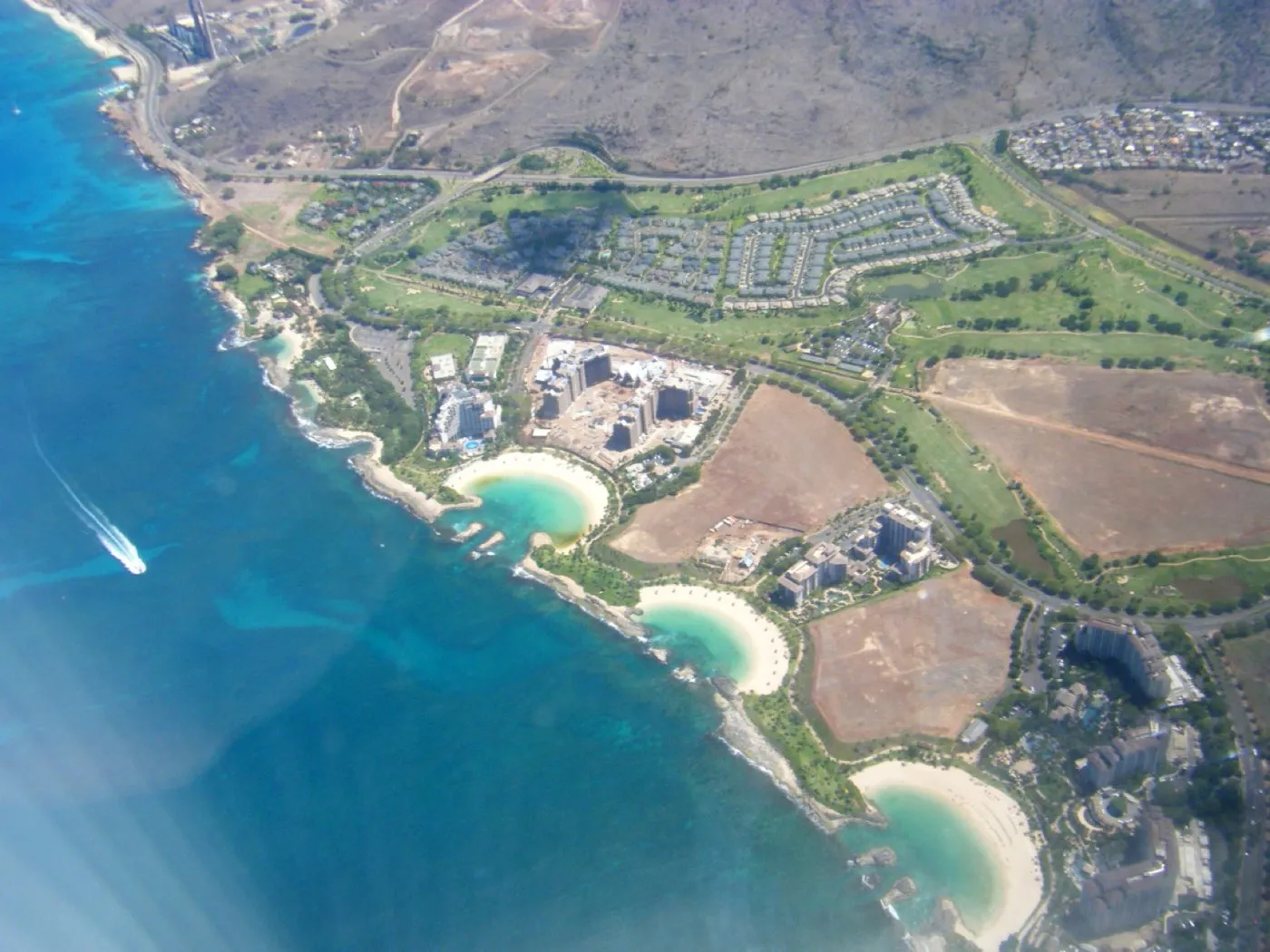
Four sheltered, man-made lagoons on the leeward coast, with easy entry and calm water. The best fish are near the rocks. No lifeguards.

From shoreBeginner2 to 15 ft
No tour needed

Best spots to snorkel on your own

Shore entries with easy parking and calm water on a normal day. Still check the surf and ask the lifeguard.

  1. 1

    Kahaluu Beach Park

    A calm lava-reef pond south of Kailua-Kona with easy entry and regular green sea turtles. Mind the current at the north end.

  2. 2

    Two Step (Honaunau Bay)

    A lava ledge by the Honaunau boat ramp drops you onto a steep reef with turtles and spinner dolphins in the bay. Booties help.

  3. 3

    Poipu Beach Park

    A tombolo shelters this beach, with turtles, a lifeguard and easy sand entry. Monk seals haul out here, so give them room.

  4. 4

    Kee Beach

    The calmest north shore option in summer is this reef-sheltered lagoon at the end of the road. Stay inside the reef, away from the cliff end.

  5. 5

    Turtle Town (Makena)

    Green sea turtles feed and rest on this Makena lava reef. Swim from Maluaka or Makena Landing, or join a boat or kayak trip.

  6. 6

    Black Rock (Puu Kekaa), Kaanapali

    A lava headland at the north end of Kaanapali Beach, with sandy-bottom shallows out to about 30 ft and turtles grazing nearby.

  7. 7

    Hanauma Bay Nature Preserve

    Turtles and hundreds of fish fill the shallow inner reef of this protected volcanic crater bay. Reservations required, closed Mon and Tue.

  8. 8

    Sharks Cove (Pupukea)

    Clear summer water, tide pools and reef fish fill this lava-rock cove in the Pupukea marine reserve. Unsafe in winter surf.

What's the water like right now?

Hawaii snorkel conditions

--°Loading forecast…
Water--
Waves--
Wind--
UV--

7-day forecast

    Surf

    Calm Choppy Rough. Wave heights are offshore model values.

    Tides, next 48 hours

    Loading tides…

    Forecast: Open-Meteo. Tides: NOAA station 1612340. Model data, not a lifeguard report. Always check posted warnings.

    Which tour should I book?

    Recommended Hawaii snorkel tours

    1. 01
      Book direct2 hrsFrom Keauhou BayGuardian pick

      Manta Ray Night Snorkel Kona

      by Dolphin Discoveries

      Small-group rigid inflatable boat trip to the Manta Village feeding area, about 45 to 60 minutes in the water, with a naturalist safety briefing.

      Pre-entry briefing covers no touching and non-nano zinc sunscreen; the operator says it uses a small-group format.

      From $99.99Check availabilityPrice checked 2026-10-22
    2. 02
      Book direct4 hrsFrom Kikiaola Small Boat Harbor, KekahaGuardian pick

      Na Pali Raft Snorkel Adventure

      by Captain Andy's Sailing Adventures

      Four-hour raft trip along the Na Pali cliffs with sea caves, waterfalls and a reef snorkel. Snorkel gear, flotation vests and in-water help for beginners are included.

      Captain Andy's lists a 1% for the Planet membership, picks the snorkel site daily for water clarity and reef protection, and asks guests to bring reef-safe sunscreen.

      From $229Check availabilityPrice checked 2026-10-22
    3. 03
      Book direct5.5 hrsFrom Port Allen Marina Center, EleeleGuardian pick

      Star Snorkel BBQ Sail

      by Captain Andy's Sailing Adventures

      Catamaran sail down the Na Pali Coast with a snorkel stop, BBQ lunch and open bar after snorkeling. Gear and flotation included.

      1% for the Planet member that chooses its snorkel reefs daily for protection and clarity. Catamaran trips give about 45 to 60 minutes in the water.

      From $260Check availabilityPrice checked 2026-10-22
    4. 04
      Book direct5 hrsGuardian pick

      Molokini and Turtle Arches Snorkel

      by Pacific Whale Foundation (PacWhale Eco-Adventures)

      Morning boat trip snorkeling Molokini crater, then a second stop known for green sea turtles and underwater lava arches. Breakfast, lunch and beverages included.

      Run by Maui's nonprofit-powered ocean operator; tour revenue supports Pacific Whale Foundation research and conservation, and catamarans run on biodiesel.

    5. 05
      Book direct5 hrsGuardian pick

      Molokini and Turtle Adventure

      by Pacific Whale Foundation (PacWhale Eco-Adventures)

      Small-group adventure with drift snorkeling on Molokini's back wall, volcanic coastline, turtles and a search for dolphins and rays, guided by naturalists.

      Nonprofit-powered operator guided by expert naturalists, with revenue supporting marine research and education.

    We may earn a commission when you book through these links, at no extra cost to you. It never changes which tours we pick. How we choose tours.

    When is the best time to go?

    Best time to snorkel in Hawaii

    May to September is the easiest time to snorkel in Hawaii, with calmer seas on most north and east shores. October to April brings bigger swells on north and west-facing shores, so use south and west sides then, and check conditions each morning. Humpback whales are in Hawaiian waters from about December to April.

    • Time of day

      Go early. Mornings usually have calmer water, better visibility and fewer people, and trade winds tend to build by midday.

    • When to avoid

      Avoid beaches with breaking waves, posted warnings or brown water after heavy rain, and skip north shores in winter.

    Best months to snorkel, rated from avoid to best
    RowJanFebMarAprMayJunJulAugSepOctNovDec
    Snorkel conditionsFairFairGoodGoodBestBestBestBestBestBestGoodFair
    Humpback whaleBestBestBestGoodAvoidAvoidAvoidAvoidAvoidAvoidAvoidGood
    Water °F777777787879808182828079
    AvoidFairGoodBest

    Hawaii snorkeling tours

    Boat tours reach spots you cannot get to from shore: Molokini crater on Maui, the Na Pali Coast on Kauai, and the manta night snorkel off Kona on the Big Island. Choose small groups, a reef briefing, mineral sunscreen and conservation-minded operators. Each island page lists real tours.

    Reef-safe sunscreen and Hawaii rules

    Hawaii banned the sale of oxybenzone and octinoxate sunscreens under Act 104 from January 1, 2021. Maui County goes further: Ordinance 5306, in effect since October 1, 2022, allows only mineral sunscreens with zinc oxide or titanium dioxide. Kauai, Oahu and Hawaii counties have no mineral-only rule, but mineral products and a rash guard are still your best choice. See our reef-safe sunscreen guide for picks.

    Best snorkeling in Hawaii by island

    Oahu is the easiest island, with Hanauma Bay, Waikiki and summer North Shore coves. Maui offers Molokini and Turtle Town. The Big Island has the clearest water, Kona's reefs and the manta night snorkel. Kauai has Tunnels and Kee on the north shore in summer, and Poipu on the south shore in winter. Pick the coast that is calm on your dates, not just the famous spot.

    Protect the reef

    Reef-safe rules at Hawaii

    Hawaii's rules cover sunscreen, wildlife distances and a few county-level restrictions.

    • Hawaii state sunscreen law (Act 104)

      Since January 1, 2021, Hawaii law bans the sale of sunscreen containing oxybenzone or octinoxate (Act 104). It is a sales ban, so check labels on anything you bring from home. Mineral sunscreen with zinc oxide or titanium dioxide is the safer choice. Official rule

    • Maui County mineral-only rule (Ordinance 5306)

      Since October 1, 2022, Maui County (Maui, Lanai and Molokai) allows only mineral sunscreens. A prescription from a licensed provider is the only exception. It applies to sale, distribution and use. Official rule

    • Sea turtles: 10 feet

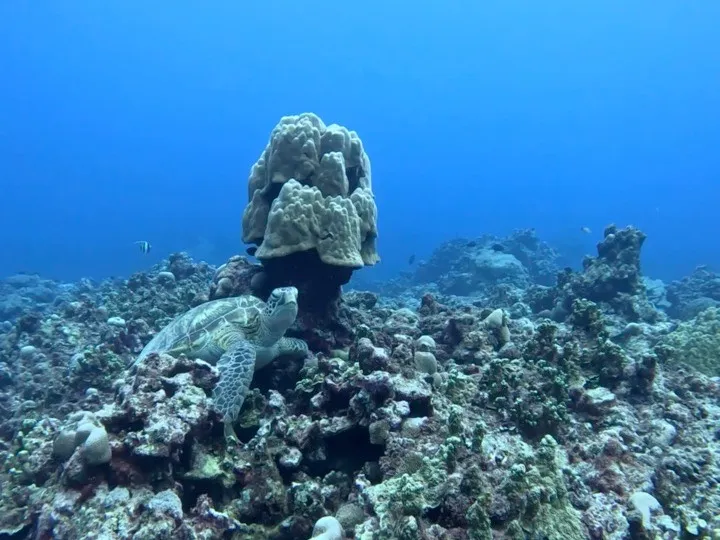
      Green sea turtles are protected. Stay 10 ft away, do not touch or chase them, and never stand on one resting on the sand.

    • Monk seals: 50 feet

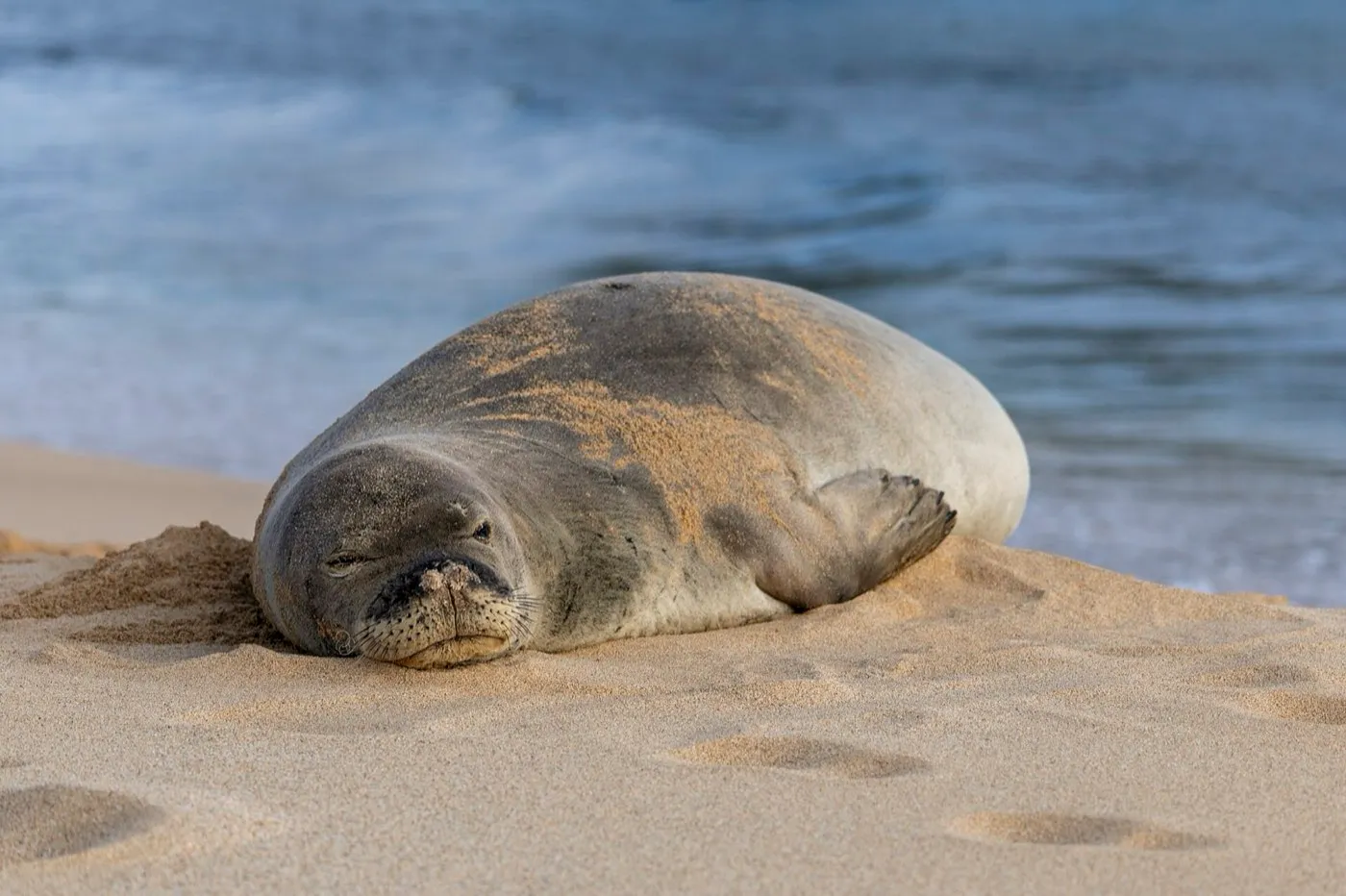
      Hawaiian monk seals are federally protected. Stay at least 50 ft away, farther from a pup, and follow any ropes or signs. Some local sources advise more room. Official rule

    • Dolphins and whales

      Stay 50 yd from spinner dolphins and 100 yd from humpback whales. Do not swim with or approach them.

    How snorkelers protect reefs · Hawaii reef-safe sunscreen rules

    Local Reef Guardians

    Who protects Hawaii

    These local groups restore coral, rescue wildlife and keep the water clean. Volunteer a morning, donate, or just follow their work.

    • Volunteer days

      Hawaii Wildlife Fund

      Marine debris cleanups and turtle and monk seal protection

      A nonprofit with volunteer programs on Maui, Hawaii Island and Kauai. Volunteers join beach and underwater cleanups and marine surveys. Its site also lists the NOAA marine animal emergency hotline.

      Visit wildhawaii.org →
    • Volunteer days

      Reef Check Hawaii

      Citizen-science reef surveys

      The Hawaii program of Reef Check trains volunteers to survey reef health and shares the data with researchers and agencies. A 2024 notice described a relaunch, so confirm current survey dates on the site.

      Visit reefcheck.org →
    • Manta Pacific Research Foundation

      Research and conservation of Kona manta rays

      A Kailua-Kona nonprofit that studies manta rays and keeps the Kona Manta ID Catalog. It has supported tour participant guidelines and operator standards, and its website takes donations.

      Visit mantapacific.org →
    • Volunteer days

      Pacific Whale Foundation

      Marine research and conservation based on Maui

      A 501(c)(3) nonprofit that runs marine research, education and conservation from Maui. Its PacWhale Eco-Adventures tours help fund that work, and you can book trips or join programs through the site.

      Visit pacificwhale.org →
    • Volunteer days

      Hawaii Wildlife Fund

      Sea turtle, monk seal and marine debris work on Maui

      Founded in 1996, the group protects hawksbill nests and hatchlings on Maui, supports monk seal watches and runs beach and net cleanups. It has a Discovery Center at Whalers Village in Kaanapali and takes volunteers.

      Visit wildhawaii.org →
    • Malama Pupukea-Waimea

      Community stewardship of the Pupukea-Waimea Marine Life Conservation District

      A community group on the North Shore that works to protect the Pupukea-Waimea MLCD, which covers Sharks Cove and Three Tables. Check their site for education programs and volunteer days.

      Visit pupukeawaimea.org →
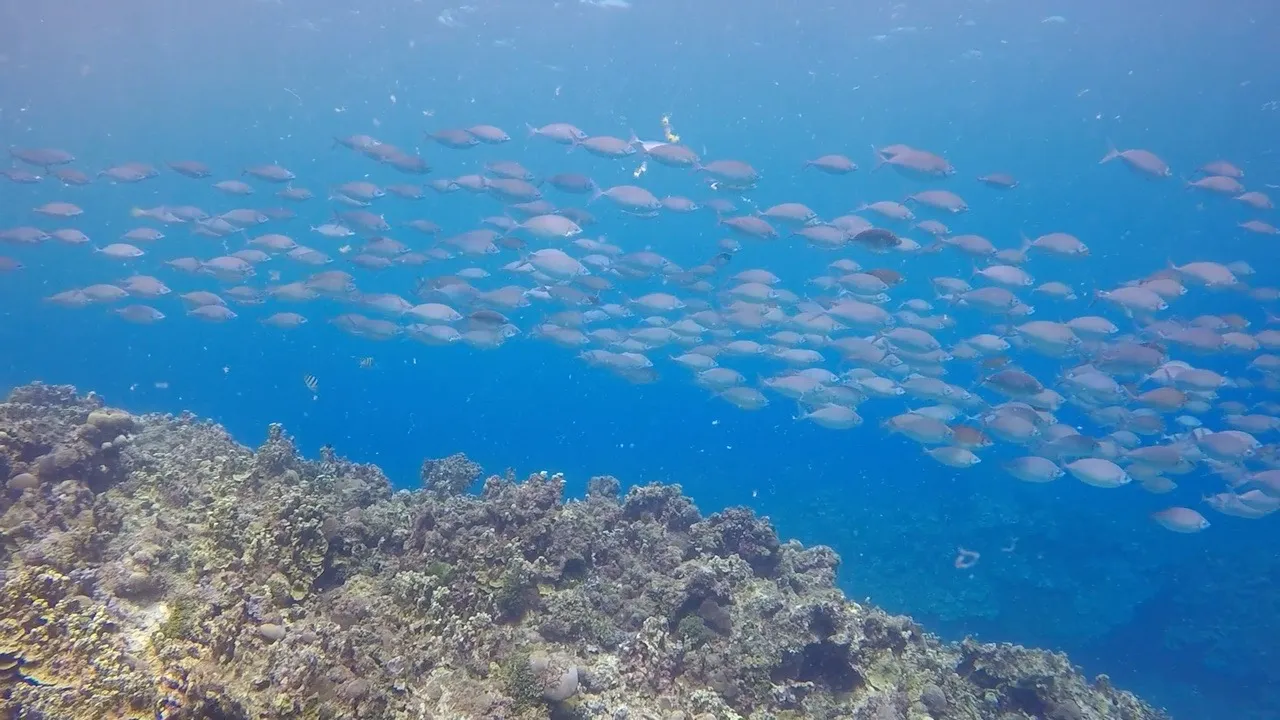
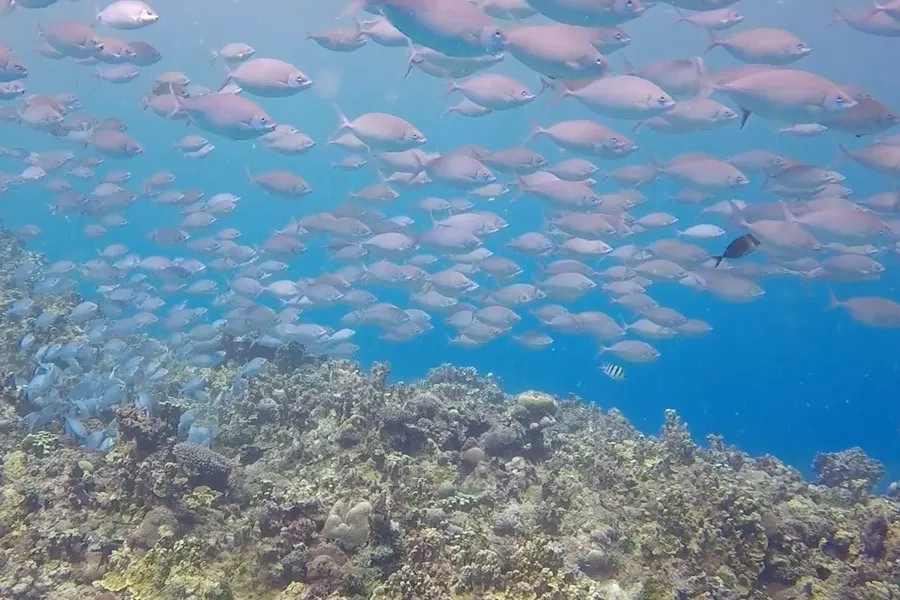
    A school of fish over a healthy reef
    Plus the local rules for HawaiiWritten with the rangers, researchers and guides who protect the reef.
    The Guardian Code

    Look. Don't touch.
    Leave only bubbles.

    Do

    • Wear a rash guardOr mineral sunscreen, applied well before you swim.
    • Float flat over shallow reefKeep fins up so you never kick coral or stir sand.
    • Book a local Guardian guideThey know the rules, the currents and the animals.

    Never

    • Touch, chase or feed wildlifeLet animals choose how close they come.
    • Stand on or grab the reefTired? Float on your back or find sand.
    • Take shells, sand or coralPhotos only. Leave it for the next swimmer.
    Read the full Guardian Code →
    FAQ

    Hawaii snorkeling questions

    Where is the best snorkeling in Hawaii?

    It depends on the island and season. Hanauma Bay on Oahu is the easiest, Molokini and Turtle Town on Maui are the best known, Kona on the Big Island has the clearest water, and Tunnels and Poipu on Kauai are the top picks there. Calm water matters more than the name.

    What is the best time to snorkel in Hawaii?

    May to September is easiest, with calmer seas on most shores. October to April brings big swells on north shores, so use south and west sides then. Water stays 77 to 82 F year round at Honolulu.

    Is snorkeling in Hawaii safe?

    It can be, but it is not risk-free. The Hawaii Department of Health counted 206 snorkel-related deaths over a decade, 189 of them non-residents. A state study linked many to rapid-onset pulmonary edema. Choose calm beaches, snorkel with a buddy, and avoid full-face masks.

    Are full-face snorkel masks safe in Hawaii?

    Health officials have raised concerns. The state study could identify the mask type in only a minority of cases, but found full-face masks hard to remove and to clear of water. Several Hawaii operators have banned them. A conventional mask and snorkel is the safer choice.

    Is sunscreen banned in Hawaii?

    Not all sunscreen. Since 2021 the state bans the sale of sunscreen with oxybenzone or octinoxate. Maui County only allows mineral sunscreen with zinc oxide or titanium dioxide. Check labels before you pack.

    How close can I get to turtles and monk seals?

    Stay at least 10 ft from sea turtles and 50 ft from Hawaiian monk seals, farther from a pup. Keep 50 yd from spinner dolphins and 100 yd from humpback whales. Do not touch or feed any wildlife.

    Pack like a Guardian

    Reef-safe gear

    What we pack for every snorkel trip. Each link searches the category on Amazon so you can compare brands and prices.

    • Reef-safe

      Mineral reef-safe sunscreen

      Non-nano zinc oxide only. No oxybenzone or octinoxate, which Hawaii bans.

      Shop on Amazon →
    • Sun cover

      Long sleeve rash guard

      The best sun protection is fabric. Less sunscreen in the water, less sunburn on your back.

      Shop on Amazon →
    • Own your gear

      Mask, snorkel and fin set

      A low-volume mask that fits beats any rental. Short travel fins pack easily.

      Shop on Amazon →
    • Safety

      Snorkel vest or float

      An inflatable vest lets you rest without standing on the reef. Lifeguards love them.

      Shop on Amazon →

    As an Amazon Associate we earn from qualifying purchases. Disclosure.

    How we researched this page Facts last checked October 22, 2026

    We check fees, rules and access against official sources first, then local operators and recent visitor reports. Conditions change, so always follow posted signs and lifeguards. Spotted something out of date? Tell us.

    1. NOAA Honolulu water temperature (station 1612340) (checked 2026-10-22)
    2. Maui County: mineral-only sunscreen (checked 2026-10-22)
    3. HAPPI: future of sunscreens in Hawaii (checked 2026-10-22)
    4. Hawaii News Now: study links pulmonary condition to snorkeling deaths (checked 2026-10-22)
    5. Maui Now: snorkel safety study findings (checked 2026-10-22)
    6. Civil Beat: Hawaii full-face mask question (checked 2026-10-22)
    7. Beat of Hawaii: monk seal at Poipu (checked 2026-10-22)
    8. Hawaii Wildlife Fund (checked 2026-10-22)
    9. Reef Check Hawaii (checked 2026-10-22)