
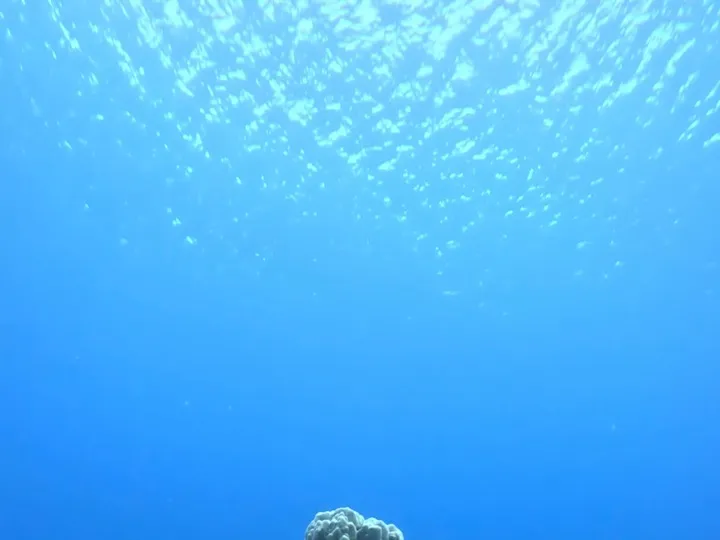
Alligator Reef and Lighthouse
A lighthouse reef about 4 miles offshore, snorkeled in 5 to 25 ft of water. Look for grunts, butterflyfish, rays and turtles. Boat only.
No sanctuary fee. You pay the boat operator for the trip. Directions
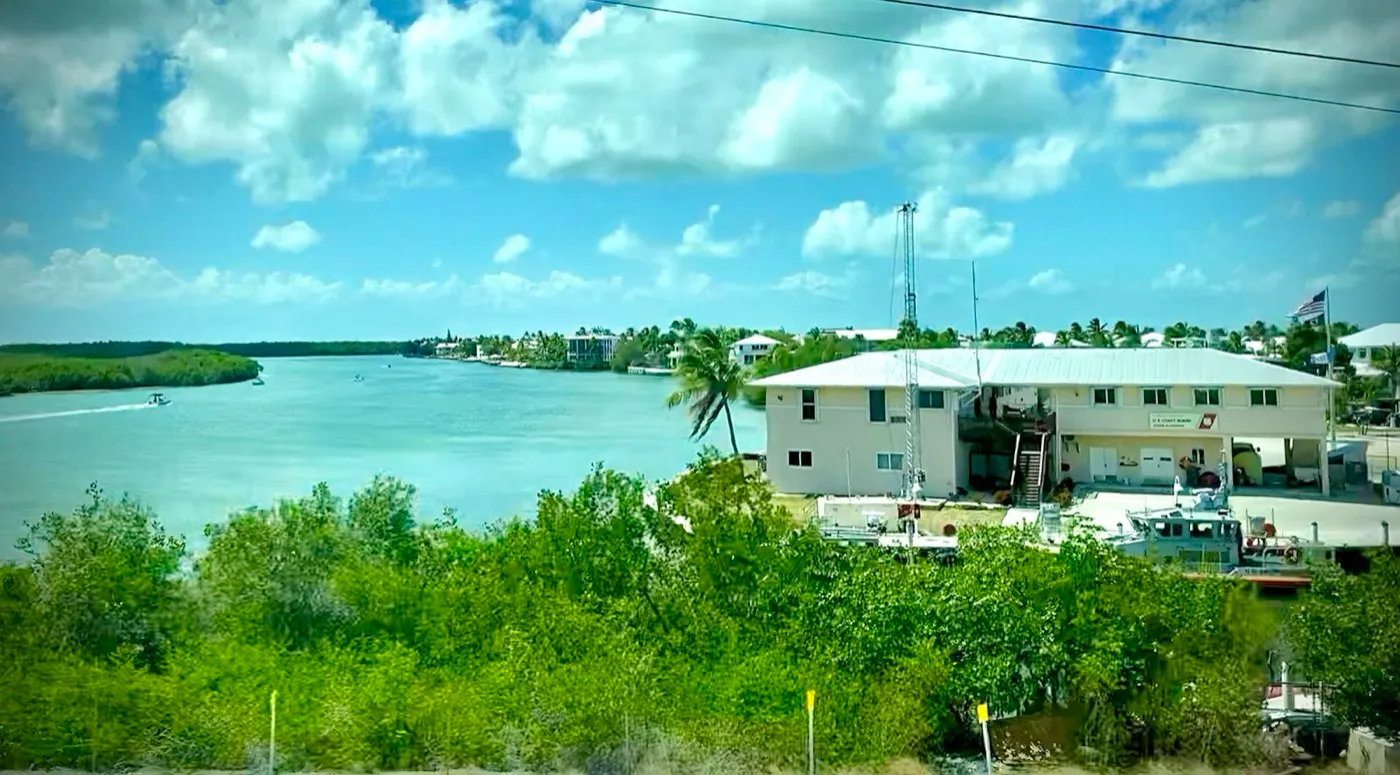 Photo: Sharon Hahn Darlin, CC BY 2.0
Islamorada has the Keys' shallowest patch reefs and a lighthouse reef, all a short boat ride from the dock. Expect fewer crowds than Key Largo, with coral restoration work going on beneath you.
Right in the middle of the Upper Keys, Islamorada puts its reefs a half-day boat ride from the marina. The sanctuary protects three patch and lighthouse reefs here: Cheeca Rocks, Hen and Chickens, and Alligator Reef with its iron lighthouse. They are small, easy to snorkel from a boat, and quieter than the big Key Largo trips.
Expect star and brain coral, sea fans, grunts, parrotfish and angelfish, with a turtle or nurse shark on a good day. Cheeca Rocks is one of seven Mission: Iconic Reefs sites, and Mote runs a coral nursery in Islamorada, so you may see restoration work as you float over the reef. Shore snorkeling is thin. The one non-boat option is Indian Key, a small island state park you reach by kayak, with shallow fish-filled rocks rather than a reef.
Most snorkelers book a 2.5 to 3 hour trip, so choose a calm morning in spring or summer and a captain who briefs you on the reef rules.
Tap a spot to see what it is like, then open its guide or get directions.
Tap a card for spotting tips and the Guardian rule for each animal. Filter by what you most want to meet.
Rounded coral heads covered in winding grooves that look like a brain. Common on Florida reefs and slow growing, so a big head can be centuries old.
Diploria, Pseudodiploria, Colpophyllia
Purple, lacy soft corals that sway in the current on Florida and Caribbean reefs. They face across the current to filter food from the water.
Gorgonia
Colorful grazers with fused, beak-like teeth. You can hear them crunch on coral rock, and much of the white sand on tropical beaches passes through them.
Scaridae
Yellow fish with blue or bronze stripes that hang in big, slow schools under ledges and around coral heads on Florida reefs.
Haemulon
An electric blue and yellow angelfish with a blue crown spot on its forehead. One of the most photographed fish in the Florida Keys.
Holacanthus ciliaris
The turtle you are most likely to meet. Greens graze on algae over shallow reef and rest under ledges. In Hawaii they are protected and very used to snorkelers.
Spotting tip: Scan the rocky edges where waves wash over algae, and sandy cleaning stations where fish pick at their shells.
Guardian rule: Stay at least 10 ft away. Never block a turtle's path to the surface.
Chelonia mydas
A slow, brownish shark that spends the day resting on the bottom under ledges in Florida. It looks sleepy, but it can bite if grabbed.
Guardian rule: Never touch or pull a nurse shark's tail.
Ginglymostoma cirratum
The Atlantic eagle ray, dark with white spots and a pointed snout. In Florida it glides over sand and seagrass near reefs, often in pairs or small groups.
Guardian rule: Give it room and never chase it.
Aetobatus narinari
Clawless lobsters with long antennae poking out from under ledges. Caribbean spiny lobster live on Florida reefs and California spiny lobster in kelp and rock.
Panulirus
A small yellow and silver damselfish with five black bars. Bold and curious, it is often the first fish to swim up to you on a Florida reef.
Abudefduf saxatilis
A lighthouse reef about 4 miles offshore, snorkeled in 5 to 25 ft of water. Look for grunts, butterflyfish, rays and turtles. Boat only.
No sanctuary fee. You pay the boat operator for the trip. Directions
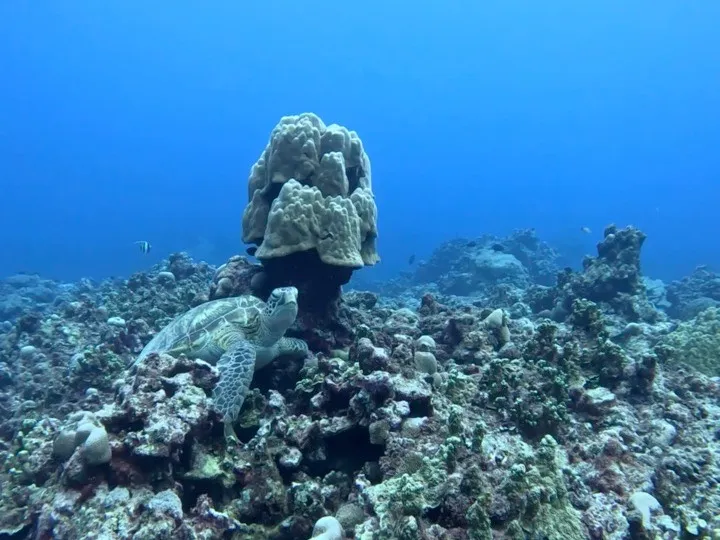
A patch reef of big star and boulder corals, and a Mission: Iconic Reefs site. Turtles and nurse sharks cruise by. Boat only.
No sanctuary fee. You pay the boat operator for the trip. Directions
A 106-acre patch reef in Hawk Channel off Plantation Key, close to shore. Look for star and brain corals, angelfish and lobster. Boat only.
No sanctuary fee. You pay the boat operator for the trip. Directions
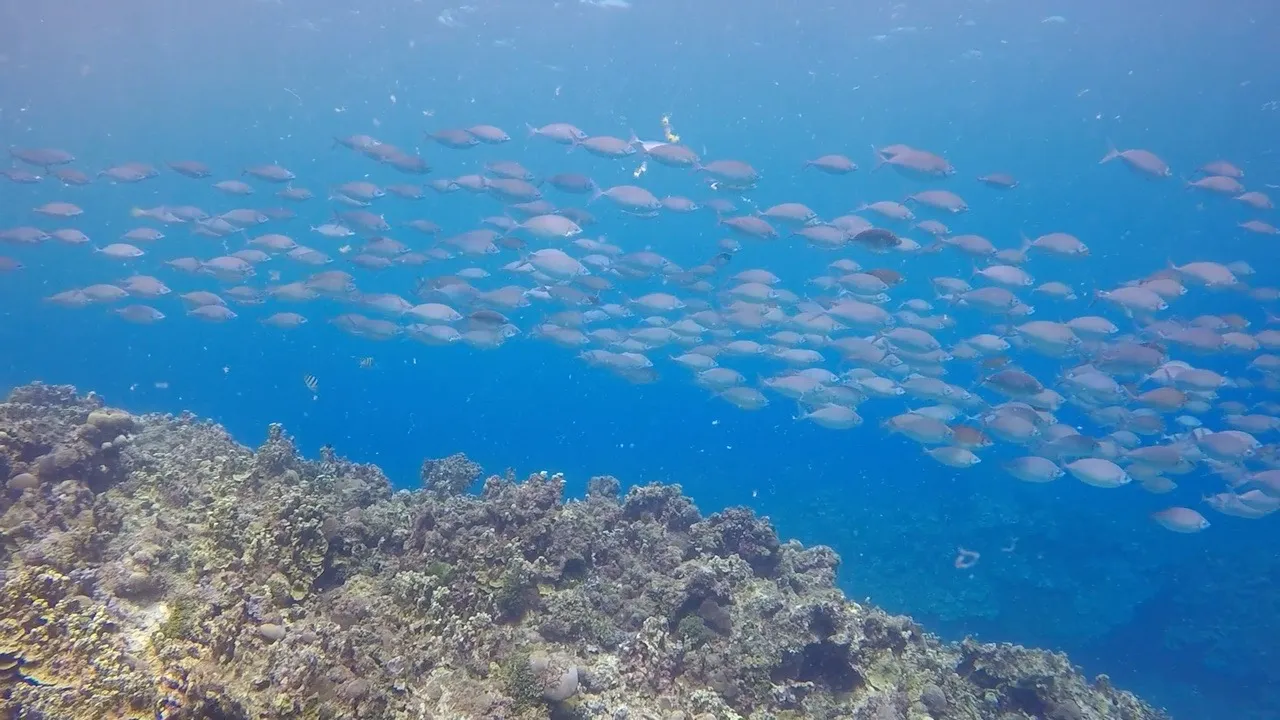
A small state park island reached by kayak or boat tour. Shallow rocky shoreline with small reef fish. Check the tides.
The official park page lists $2.50 per person. Pay at the honor box near the kayak launch. Directions
Shore entries with easy parking and calm water on a normal day. Still check the surf and ask the lifeguard.
A small state park island reached by kayak or boat tour. Shallow rocky shoreline with small reef fish. Check the tides.
Calm Choppy Rough. Wave heights are offshore model values.
Loading tides…
Forecast: Open-Meteo. Tides: NOAA station 8723814. Model data, not a lifeguard report. Always check posted warnings.
by Robbie's of Islamorada
Daily reef snorkel trips at 10:00 AM and 1:30 PM lasting 2.5 hours, usually to Alligator Reef or Cheeca Rocks. Mask, snorkel, fins and a vest are included.
Check the sanctuary Blue Star list for the current status of your operator before booking.
by Sundance Watersports
A small-group trip on a catamaran, with the captain choosing the reef on the day based on conditions. Departures are at 10 AM and 1:30 PM, and groups are listed at up to 6.
Small groups of up to 6 make it easier to hear the reef briefing and keep fins off the coral.
by Wild Dolphin Tours
Private and shared charters that can reach Alligator Lighthouse, Cheeca Rocks or Hen and Chickens depending on sea conditions and visibility. Sandbar stops are offered on combo trips.
Private boats let you choose the calmest reef for the day.
by Key Dives
Half-day trips to two sites, drawn from Alligator Reef, Hen and Chickens, Rocky Top, Morada and Davis Reef depending on conditions. Gear rental is $10 on the operator's page.
Blue Star status not listed on the page. Ask about mooring use and reef briefings.
We may earn a commission when you book through these links, at no extra cost to you. It never changes which tours we pick. How we choose tours.
Apr to Aug has the calmest seas, warmest water and the most reliable trips. Winter cold fronts bring wind and chop and cancel trips. Sep and Oct are warm but sit in hurricane season.
Mornings are calmer. Robbie's lists 10:00 AM and 1:30 PM departures, so book the earlier one if you can.
The day or two after a cold front and any time a tropical system is near. Hen and Chickens sits in open Hawk Channel and can be bumpy on windy days.
| Row | Jan | Feb | Mar | Apr | May | Jun | Jul | Aug | Sep | Oct | Nov | Dec |
|---|---|---|---|---|---|---|---|---|---|---|---|---|
| Snorkel conditions | Fair | Fair | Good | Best | Best | Best | Best | Best | Good | Good | Good | Fair |
| Water °F | 72 | 72 | 74 | 78 | 82 | 85 | 86 | 86 | 85 | 82 | 77 | 73 |
Alligator Reef is the headline stop: an iron lighthouse about 4 miles offshore with 5 to 25 ft of water around it, best on calm days. Cheeca Rocks is a patch reef dominated by large star and boulder corals and is a Mission: Iconic Reefs restoration site. Hen and Chickens is a 106-acre patch reef in Hawk Channel off Plantation Key, close to shore and easy to reach from the marinas. Indian Key adds a shallow, kayak-only option. Other stops operators mention are Rocky Top, Morada and Davis Reef, plus the San Pedro Underwater Archaeological Preserve, a 1733 shipwreck in about 18 ft of water off Lower Matecumbe Key that suits confident swimmers.
Islamorada has little reef you can reach from shore. Indian Key is reached by kayak, and Robbie's Marina can arrange rentals. Whale Harbor Sandbar is calm and shallow, with seagrass, small fish and rays, and operators pair it with reef trips on combo tours. Bring your own gear only where the park or operator allows.
NOAA says anchoring of any kind will be banned in most SPAs from 2027, with Hen and Chickens and Cheeca Rocks among the exceptions. Private boats should still use a mooring buoy when one is free and never anchor on coral.
Alligator Reef, Cheeca Rocks and Hen and Chickens are Sanctuary Preservation Areas inside Florida Keys National Marine Sanctuary.
Touching or standing on living or dead coral is prohibited in every Sanctuary Preservation Area (SPA). Stay horizontal, keep fins up and off the bottom. Official rule
Fishing by any means and removing or possessing marine life is prohibited inside SPAs. That includes shells, coral and live rock. Official rule
Boaters may not anchor on coral or anchor when a mooring buoy is available. NOAA says anchoring of any kind will be banned in SPAs from 2027, with exceptions for Hen and Chickens, Cheeca Rocks, Newfound Harbor Key, Eastern Dry Rocks, Rock Key and Sand Key. Official rule
Stay close to your boat or the buoy line, surface looking up, and follow the crew's flag and signal instructions. Never swim between boats.
Indian Key is a state park, with a $2.50 per person fee on the official page. Kayak landing only, and tides can strand you. Take nothing from the island and keep to marked paths. Official rule
How snorkelers protect reefs · Choosing a reef-safe sunscreen
These local groups restore coral, rescue wildlife and keep the water clean. Volunteer a morning, donate, or just follow their work.
Coral nursery and reef restoration in the Upper Keys
Mote's nursery on Upper Matecumbe Key can hold up to 20,000 coral fragments, which are planted onto nearby reefs including Cheeca Rocks. Learn how they attach coral to existing heads and keep your fins off planted colonies.
Visit mote.org →Large scale restoration of seven Keys reefs, including Cheeca Rocks
NOAA lists Cheeca Rocks among seven priority reefs where partners grow and plant corals. The reef is dominated by star and boulder corals. Respect marked restoration areas and any closures posted by your captain.
Visit sanctuaries.noaa.gov →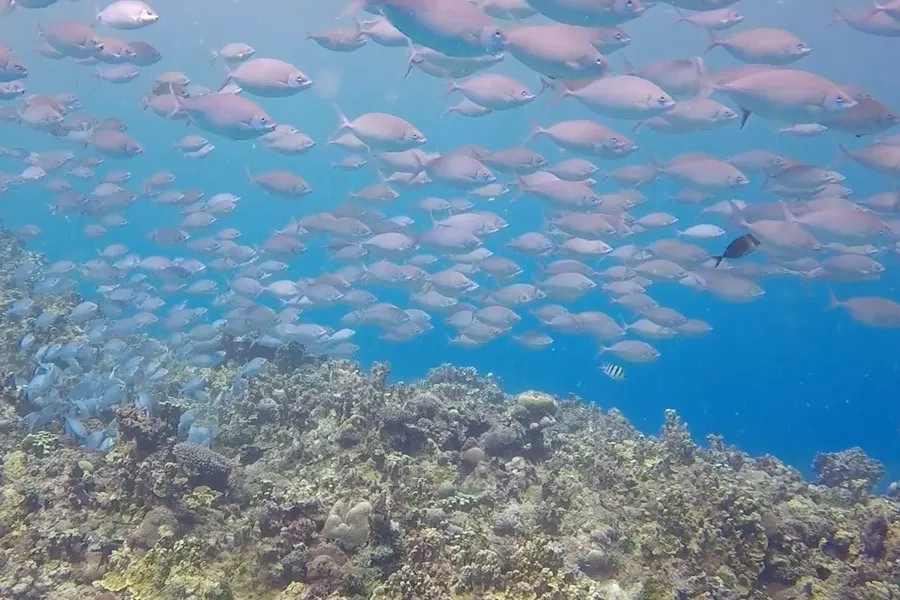
Cheeca Rocks and Alligator Reef are the favorites. Cheeca Rocks has big star and boulder corals and often turtles. Alligator Reef has the lighthouse and 5 to 25 ft of water. Hen and Chickens is the closest patch reef and a good option when the wind is up.
Not on a real reef. The coral is offshore, so most people join a 2.5 to 3 hour boat trip. Indian Key, a state park island reached by kayak, has shallow rocky snorkeling with small reef fish, and Whale Harbor Sandbar is a calm shallow stop on boat tours.
Prices vary by operator and change by season. Shared trips run about 2.5 hours and include gear. Private charters are priced per boat. Check each operator's booking page for current rates, because the prices in guides are often out of date.
No fishing, collecting or touching coral in the SPAs. Boats must not anchor on coral or when a mooring buoy is free. NOAA says an anchoring ban for most SPAs starts in 2027. Use mineral sunscreen or a rash guard and keep 10 ft from sea turtles.
April to August gives the calmest seas and warmest water. Winter cold fronts bring chop and cancelled trips. September and October are warm but fall in hurricane season. Book a morning departure for the smoothest ride.
What we pack for every snorkel trip. Each link searches the category on Amazon so you can compare brands and prices.
Non-nano zinc oxide only. No oxybenzone or octinoxate, which Hawaii bans.
Shop on Amazon →The best sun protection is fabric. Less sunscreen in the water, less sunburn on your back.
Shop on Amazon →A low-volume mask that fits beats any rental. Short travel fins pack easily.
Shop on Amazon →An inflatable vest lets you rest without standing on the reef. Lifeguards love them.
Shop on Amazon →As an Amazon Associate we earn from qualifying purchases. Disclosure.
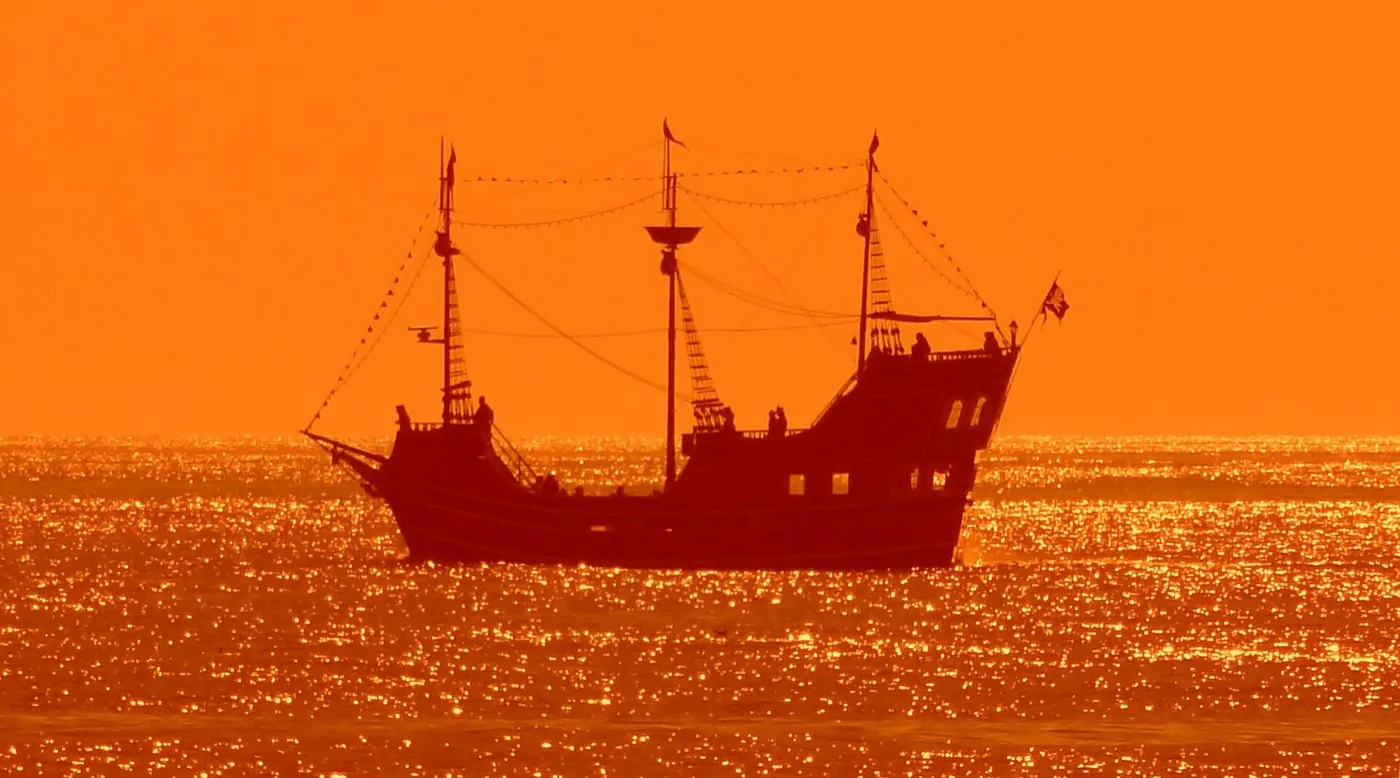
Forget coral. Clearwater is a Gulf outing, where you drift over seagrass and sand and look for stingrays and dolphins. The real prize is the shallow…
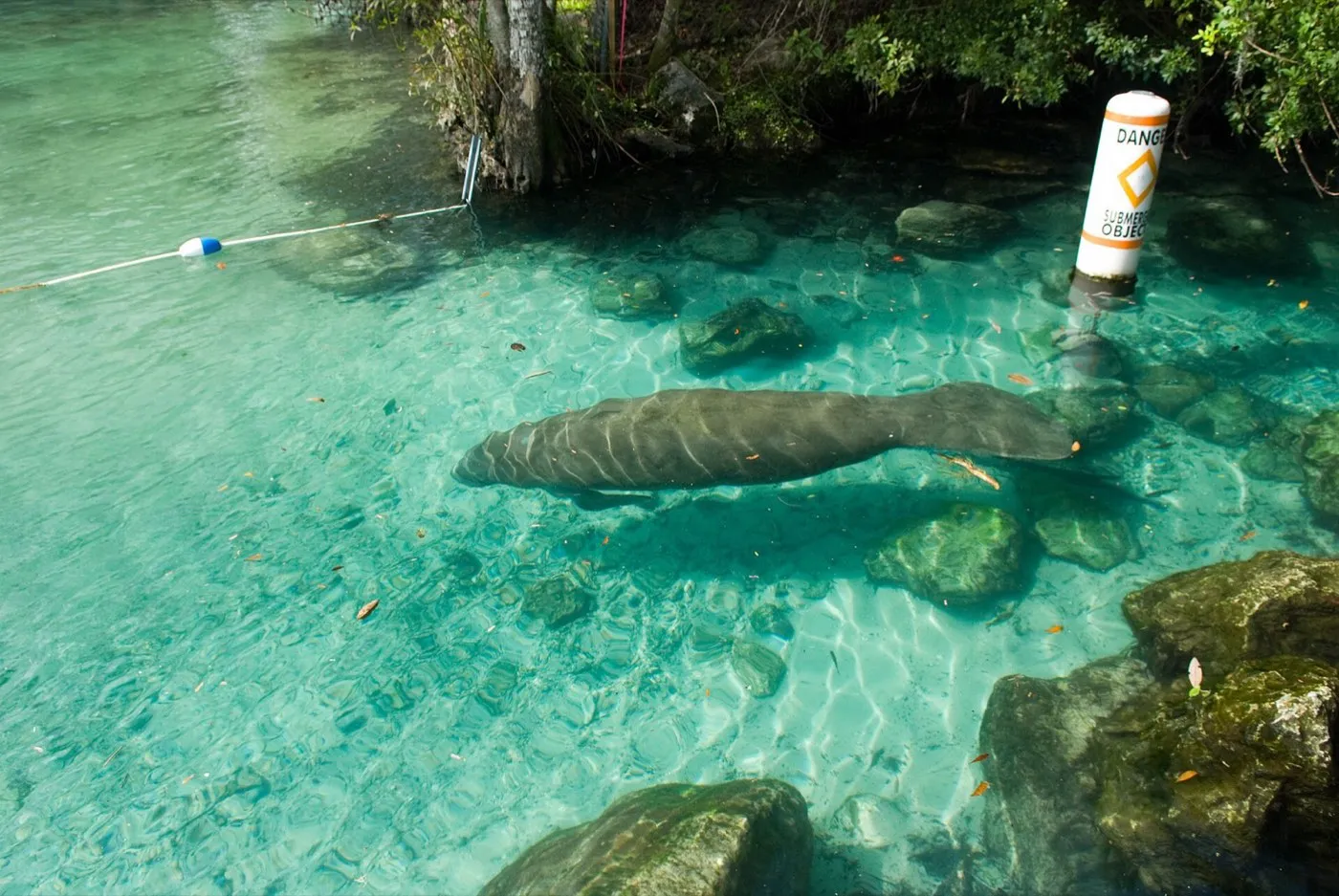
Slip into 72 F spring water and float beside wild West Indian manatees. Crystal River is the one place in the US where you can. Winter is the peak,…
Destin is emerald Gulf water over sand and limestone rock, not coral reef. The East Pass jetties hold the fish, Crab Island is the shallow party…
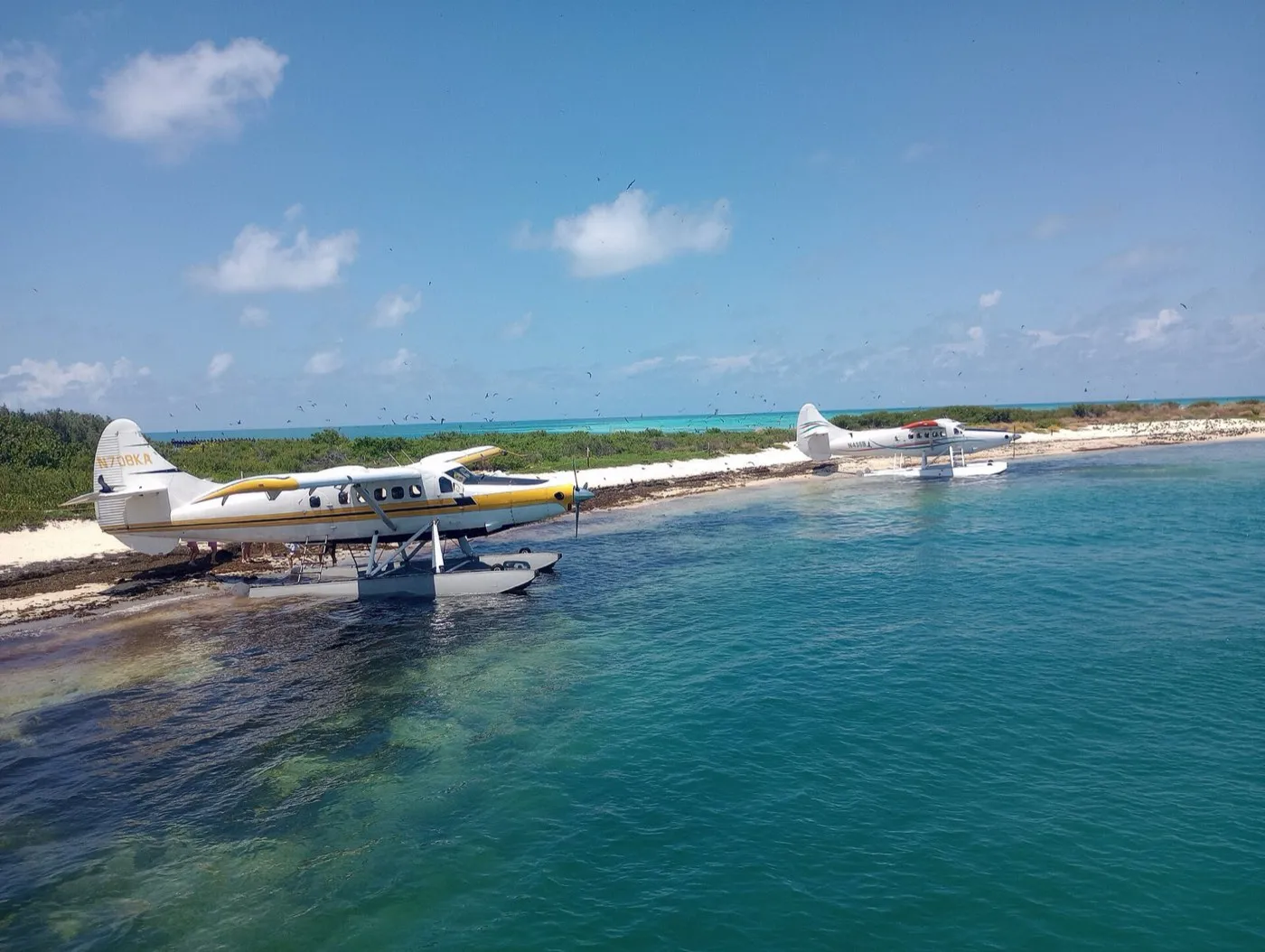
Picture a 19th century brick fort on a tiny island, 70 miles of open water from Key West. You swim along the outside of its moat wall, where reef…
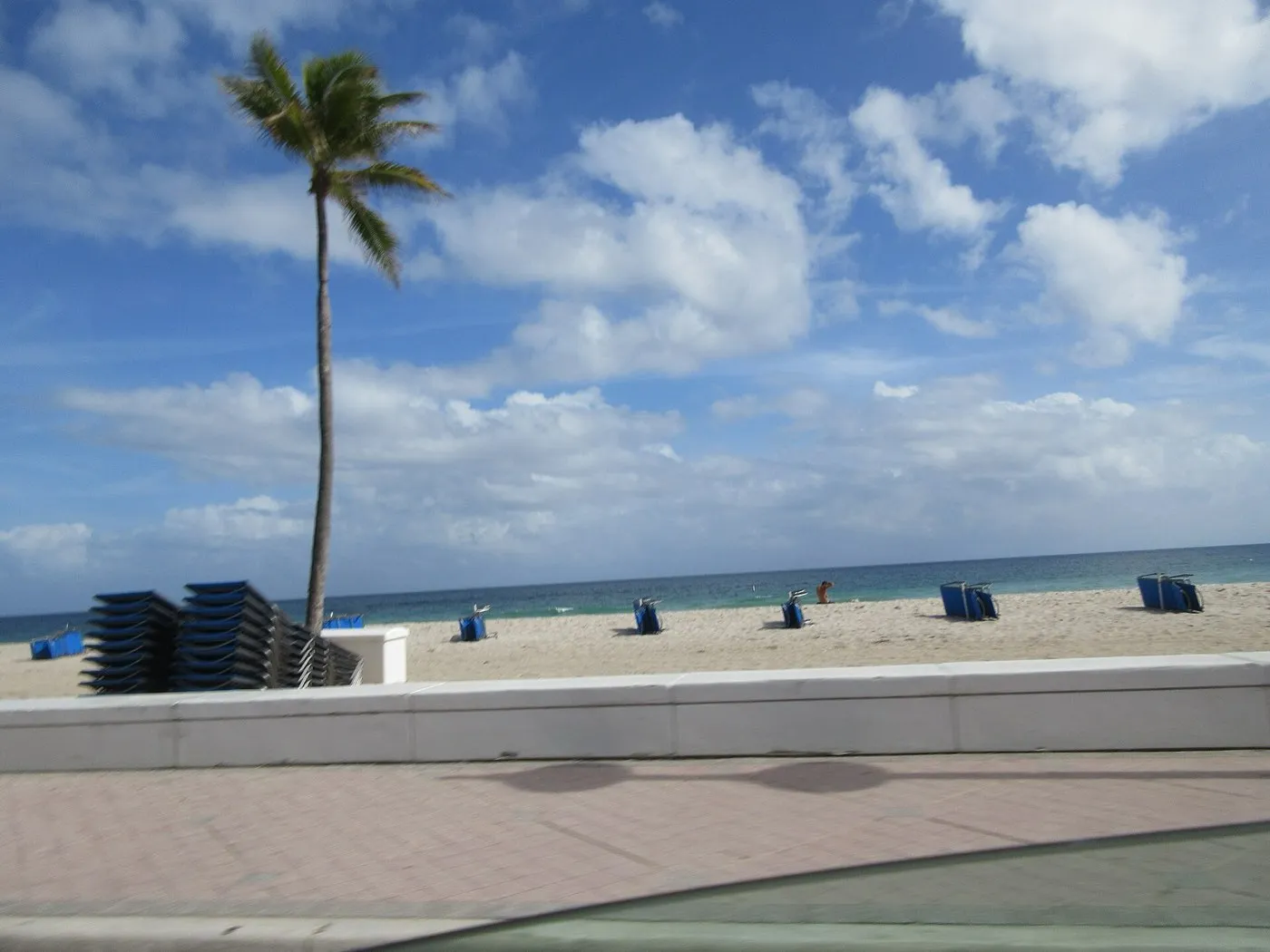
Walk off a Broward beach and you can be over a coral reef in minutes. Up the coast, a shipwreck trail and a state-protected steamship wreck add even…
Shallow reefs sit a short boat ride offshore, and on the seafloor a bronze Jesus stands waiting. Key Largo is the Upper Keys' snorkel capital, with…
We check fees, rules and access against official sources first, then local operators and recent visitor reports. Conditions change, so always follow posted signs and lifeguards. Spotted something out of date? Tell us.