
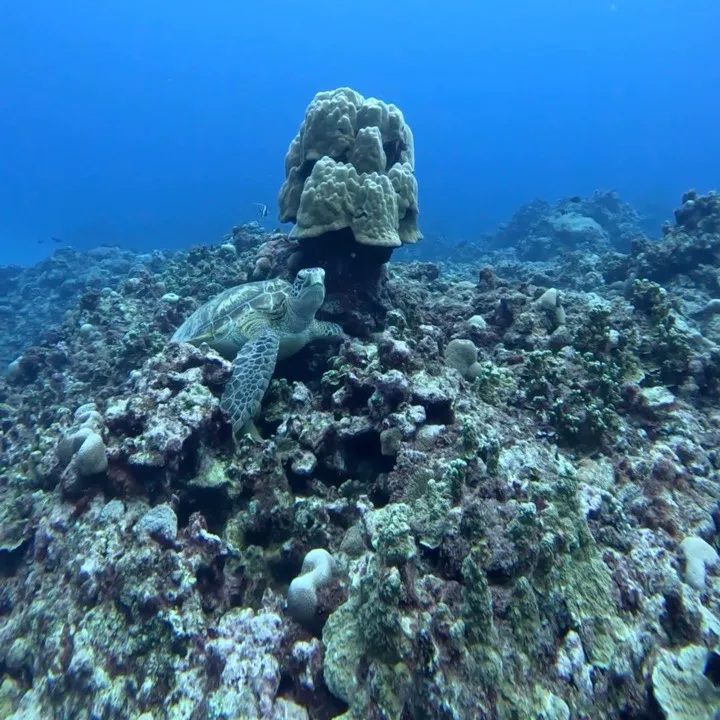
Sand Key
A sand cay with a lighthouse about 7 miles out, ringed by shallow patch reef in a Sanctuary Preservation Area. The usual beginner stop.
No site fee. You pay for the boat trip. Sand Key is a no-take Sanctuary Preservation Area. Directions
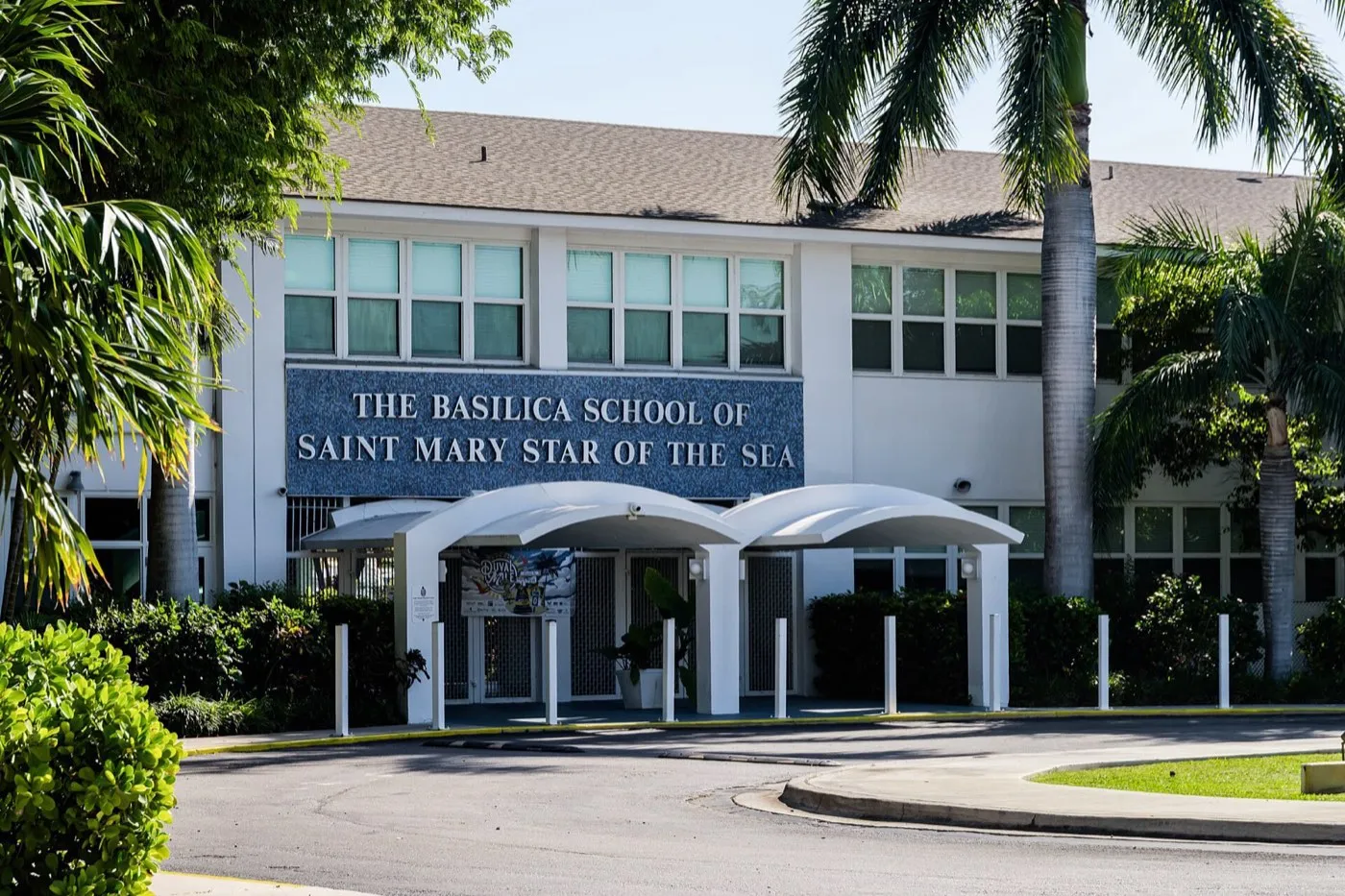 Photo: Julian Lupyan, CC0
The only living barrier reef in the continental US lies just offshore from Key West. A 20 to 30 minute boat ride puts you over protected patch reefs full of parrotfish, barracuda and turtles.
Almost every Key West snorkel happens on a boat. The reefs sit 6 to 8 miles offshore on the Florida Keys barrier reef, and most are Sanctuary Preservation Areas in the Florida Keys National Marine Sanctuary, so fishing and collecting are banned. That is why the fish are bold and the coral heads are worth the ride.
Sand Key, with its lighthouse, and Rock Key are the usual stops for first-timers. Eastern Dry Rocks has finger-like coral spurs split by sand channels. Western Sambo, a few miles east, is the one Conservation Area where NOAA allows snorkeling and diving. Expect brain coral, sea fans, grunts, snappers, parrotfish and, in warm months, sea turtles.
If you want to stay on shore, Fort Zachary Taylor Historic State Park has a rocky beach with a small coral restoration trail just off the sand. It is nothing like the reef, but it costs a fraction of a tour.
Most people book a morning or afternoon trip of 3 to 4.5 hours. Captains pick the stop on the day based on wind and swell, so ask which reef you are likely to get.
Tap a spot to see what it is like, then open its guide or get directions.
Tap a card for spotting tips and the Guardian rule for each animal. Filter by what you most want to meet.
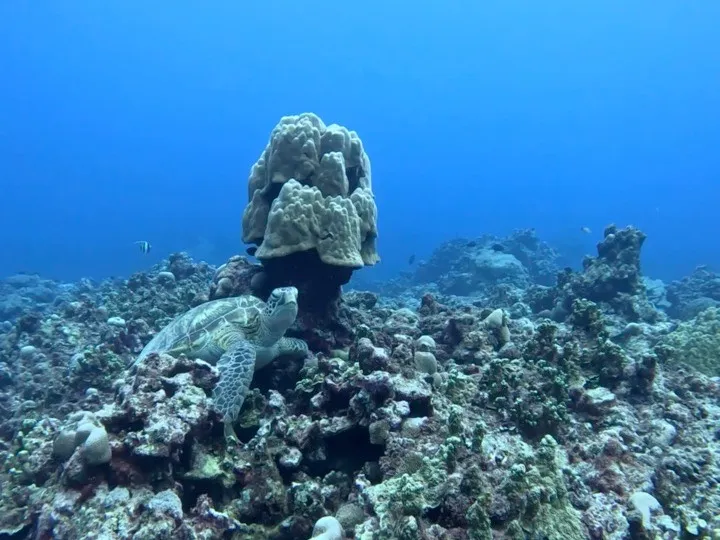
The turtle you are most likely to meet. Greens graze on algae over shallow reef and rest under ledges. In Hawaii they are protected and very used to snorkelers.
Spotting tip: Scan the rocky edges where waves wash over algae, and sandy cleaning stations where fish pick at their shells.
Guardian rule: Stay at least 10 ft away. Never block a turtle's path to the surface.
Chelonia mydas
Colorful grazers with fused, beak-like teeth. You can hear them crunch on coral rock, and much of the white sand on tropical beaches passes through them.
Scaridae
A long, silver predator that hangs motionless near the surface and watches snorkelers with curiosity. It looks fierce but rarely bothers people.
Guardian rule: Take off shiny jewelry, which can look like a fish flash.
Sphyraena barracuda
A slow, brownish shark that spends the day resting on the bottom under ledges in Florida. It looks sleepy, but it can bite if grabbed.
Guardian rule: Never touch or pull a nurse shark's tail.
Ginglymostoma cirratum
Rounded coral heads covered in winding grooves that look like a brain. Common on Florida reefs and slow growing, so a big head can be centuries old.
Diploria, Pseudodiploria, Colpophyllia
Purple, lacy soft corals that sway in the current on Florida and Caribbean reefs. They face across the current to filter food from the water.
Gorgonia
Clawless lobsters with long antennae poking out from under ledges. Caribbean spiny lobster live on Florida reefs and California spiny lobster in kelp and rock.
Panulirus
A deep blue surgeonfish that grazes Florida reefs in roving schools. Juveniles are bright yellow and change to blue as they grow.
Acanthurus coeruleus
A sand cay with a lighthouse about 7 miles out, ringed by shallow patch reef in a Sanctuary Preservation Area. The usual beginner stop.
No site fee. You pay for the boat trip. Sand Key is a no-take Sanctuary Preservation Area. Directions
A big, healthy patch reef about 8 miles east of Key West. NOAA says it is the one sanctuary Conservation Area where snorkeling and diving are allowed.
No site fee. You pay for the boat trip. No fishing or harvest of any kind in the reserve. Directions
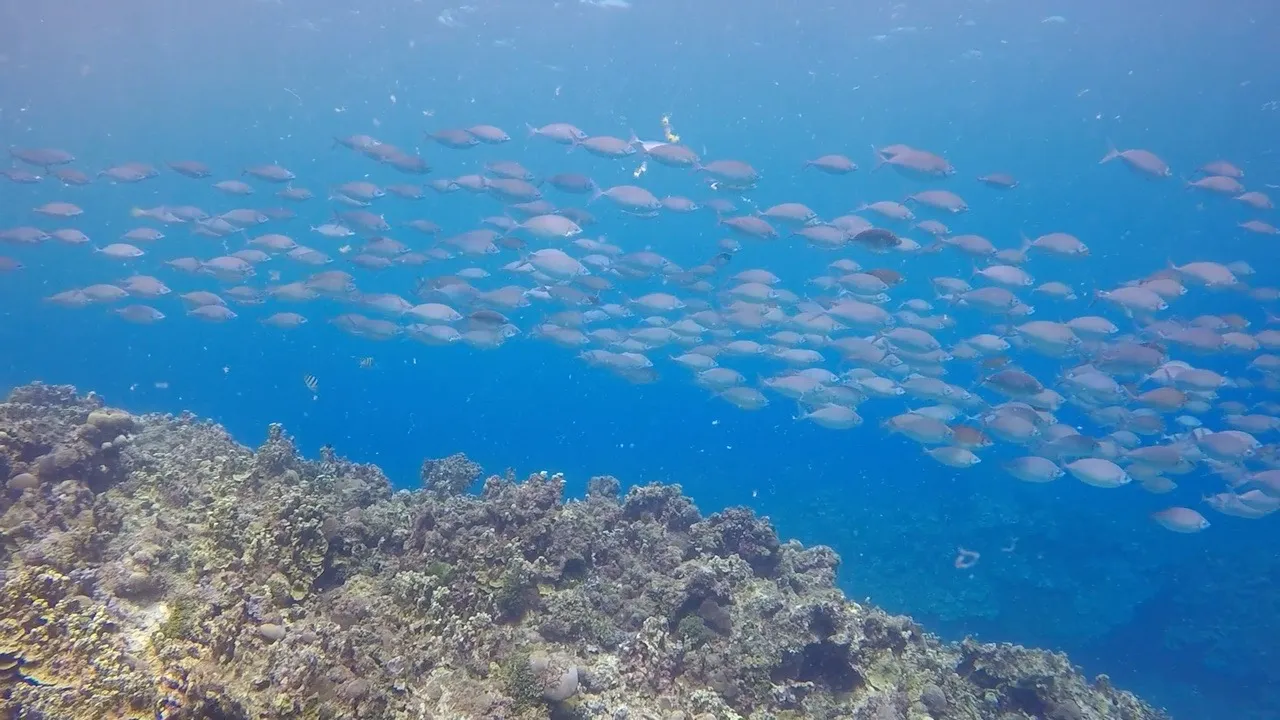
Finger-like coral spurs split by sand channels, about 6 to 7 miles out. This Sanctuary Preservation Area shelters turtles, lobster and nurse sharks.
No site fee. You pay for the boat trip. Fishing and lobstering are banned in Sanctuary Preservation Areas. Directions
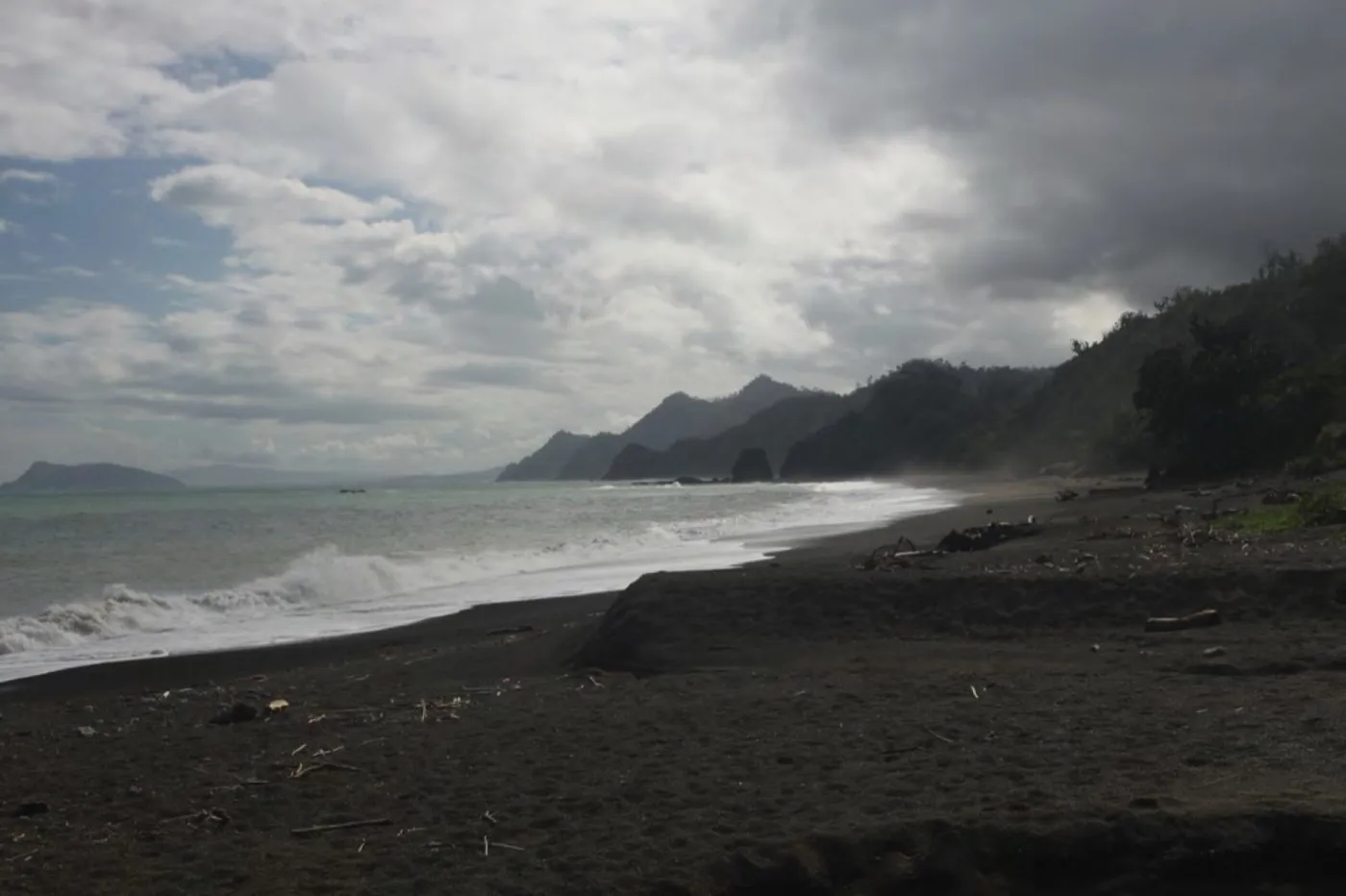
A shallow reef just east of Sand Key, inside a Sanctuary Preservation Area. Sheltered coral heads, turtles and plenty of reef fish.
No site fee. You pay for the boat trip. Sanctuary Preservation Area, so no fishing or collecting. Directions
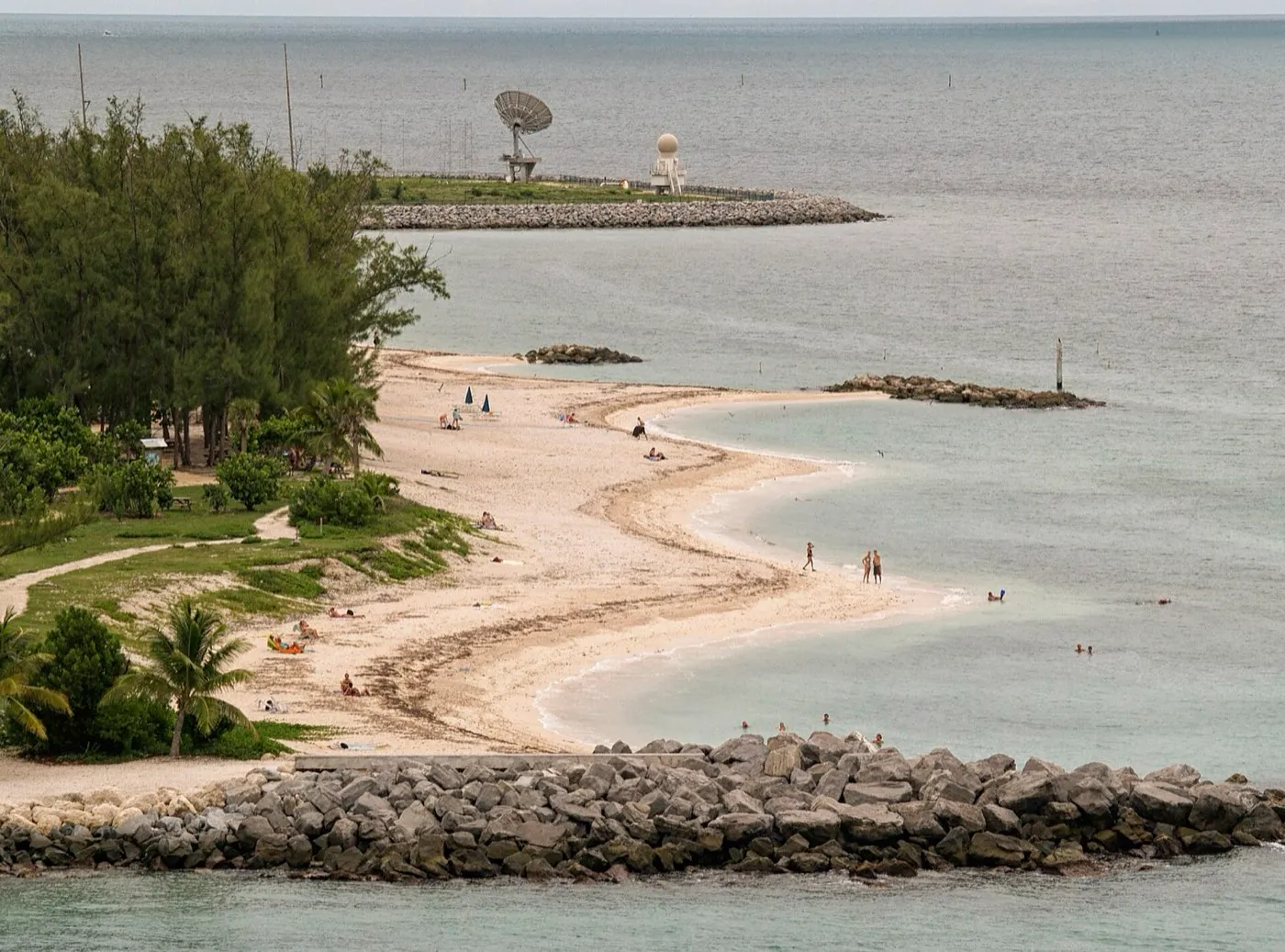
The only easy shore snorkel in Key West. Rocky bottom just off the beach, with a coral restoration trail planted by Mote. No lifeguards.
State park entry is charged per vehicle (about $6 for two or more people in a car). Confirm the current rate with the park. Gear rents at the beach concession. Directions
Shore entries with easy parking and calm water on a normal day. Still check the surf and ask the lifeguard.
The only easy shore snorkel in Key West. Rocky bottom just off the beach, with a coral restoration trail planted by Mote. No lifeguards.
Calm Choppy Rough. Wave heights are offshore model values.
Loading tides…
Forecast: Open-Meteo. Tides: NOAA station 8724580. Model data, not a lifeguard report. Always check posted warnings.
by Danger Charters
Schooner sail with a reef snorkel at Western Sambo Ecological Reserve, plus kayaking. Groups are capped at 20 guests.
Small group on a sailing vessel and a stop in a protected reserve. Ask about reef briefings and sunscreen when you book.
by Operator listed on Viator
Dive boat trip to Western Sambo reef followed by a sandbar stop and an inflatable waterslide.
by Operator listed on Viator
Catamaran trip to the offshore barrier reef with a morning snorkel, breakfast and drinks afterward.
by Operator listed on Viator
Sail to a reef off Key West. The captain picks the snorkel stop based on weather.
by Fury Water Adventures
Catamaran reef snorkel from Key West. Fury sails about 7 miles offshore to the reef.
Named among Blue Star conservation partners on NOAA's Blue Star page. Confirm current Blue Star status and what the donation covers when you book.
We may earn a commission when you book through these links, at no extra cost to you. It never changes which tours we pick. How we choose tours.
Jun to Sep has the warmest water (mid 80s F) and the best visibility on calm days. May is a quiet, calm month with fewer crowds. Dec to Feb is cooler (70 to 74 F) and cold fronts can cloud the water for a day or two. Hurricane season runs Jun to Nov, so Sep has cheap trips but weather risk.
Morning trips usually have the calmest water and the best light.
The 1 to 3 days after a winter cold front, and any day with a small craft advisory.
| Row | Jan | Feb | Mar | Apr | May | Jun | Jul | Aug | Sep | Oct | Nov | Dec |
|---|---|---|---|---|---|---|---|---|---|---|---|---|
| Snorkel conditions | Fair | Fair | Good | Good | Best | Best | Best | Best | Good | Good | Good | Fair |
| Green sea turtle | Fair | Fair | Fair | Good | Best | Best | Best | Best | Good | Good | Fair | Fair |
| Water °F | 70 | 71 | 74 | 77 | 81 | 84 | 86 | 86 | 85 | 82 | 77 | 73 |
Sand Key and Rock Key are the easiest reefs for first-timers. Eastern Dry Rocks suits confident swimmers who want coral spurs and sand channels. Western Sambo is the largest and healthiest of the four. On a calm day all four are worth the ride. Ask your operator which one you are visiting before you pay, because captains choose on the day.
Most trips run 3 to 4.5 hours and include gear and an instructor. Fast dive boats and catamarans do the shorter runs. Sailing vessels like Danger Charters are slower and quieter. Look for small groups, a clear reef briefing, and an operator that explains the sanctuary rules. Prices vary by season, so check the listing for the date you want.
Day rentals in town ran roughly $12 to $20 for mask, snorkel and fins when we checked, for example at Sea Key West Local, Finz Dive Center and Scuba-Fun. The Fort Zachary Taylor beach concession rents sets for about $15. Call ahead in high season because gear can run out. Most boat tours include gear, so rent only if you want a shore swim.
The reefs off Key West are inside the Florida Keys National Marine Sanctuary. These rules keep them healthy.
Sanctuary Preservation Areas such as Sand Key, Rock Key and Eastern Dry Rocks ban fishing, lobstering and taking any marine life. Western Sambo bans them as well. Official rule
Standing on or touching coral is prohibited in the sanctuary. Even a light touch can kill tissue. Use a flotation vest if you need to rest.
Boats must use mooring buoys where they are available. From 2027 NOAA bans anchoring in most Preservation Areas, though Sand Key, Rock Key and Eastern Dry Rocks are excepted. Official rule
A long-sleeve rash guard is the best protection for the reef. If you use lotion, choose a mineral formula and apply it 20 minutes before you board.
Stay at least 10 ft from sea turtles and do not chase or feed any animal.
How snorkelers protect reefs · Choosing a reef-safe sunscreen
These local groups restore coral, rescue wildlife and keep the water clean. Volunteer a morning, donate, or just follow their work.
Coral restoration in the Florida Keys
Mote grows and plants corals across the Keys. Its Key West project planted more than 12,000 fragments of five species along a snorkel trail at Fort Zachary Taylor in 2016 and 2017.
Visit mote.org →Reef education and advocacy based in Key West
A Key West nonprofit that works on public education and policy to protect coral reef ecosystems. It is a partner of the Key West Aquarium community events.
Visit reefrelief.org →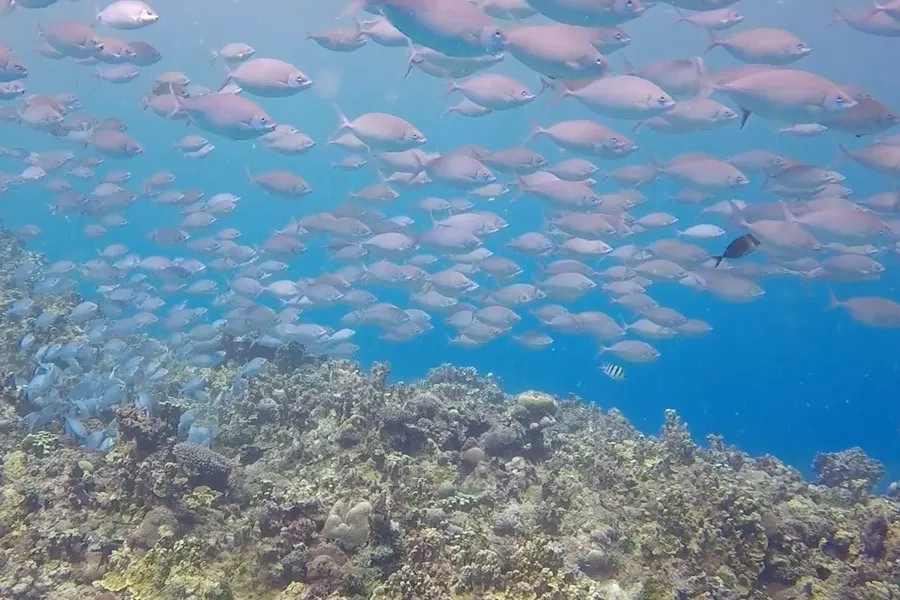
Most people go to Sand Key, Rock Key, Eastern Dry Rocks or Western Sambo, all 6 to 8 miles offshore and reached by boat. Sand Key is the usual beginner stop. Western Sambo has the largest coral area. Captains choose on the day based on conditions.
Yes, at Fort Zachary Taylor Historic State Park. The bottom is rocky and the fish are mostly small, so it is a casual swim, not a reef trip. Wear water shoes, bring a flotation vest if you tire easily, and note that there are no lifeguards.
Prices vary by operator, season and trip length. Listings we saw ranged from about $35 to $130 per person. Check the listing for your date because rates change often. Most tours include gear and instruction.
Jun to Sep has the warmest water and the best visibility on calm days. May is calm with fewer crowds. Winter water is 70 to 74 F and cold fronts can cloud the water. Morning trips usually have the calmest seas.
Not for a tour. Boats include a mask, snorkel and fins. If you want to snorkel from shore or prefer your own mask, rent in town for about $12 to $20 per day or at the Fort Zachary Taylor beach concession.
Yes. Dry Tortugas National Park is about 70 miles west and is reached by ferry or seaplane. It is a full-day trip with snorkeling around Fort Jefferson. See our Dry Tortugas page for the details.
What we pack for every snorkel trip. Each link searches the category on Amazon so you can compare brands and prices.
Non-nano zinc oxide only. No oxybenzone or octinoxate, which Hawaii bans.
Shop on Amazon →The best sun protection is fabric. Less sunscreen in the water, less sunburn on your back.
Shop on Amazon →A low-volume mask that fits beats any rental. Short travel fins pack easily.
Shop on Amazon →An inflatable vest lets you rest without standing on the reef. Lifeguards love them.
Shop on Amazon →As an Amazon Associate we earn from qualifying purchases. Disclosure.
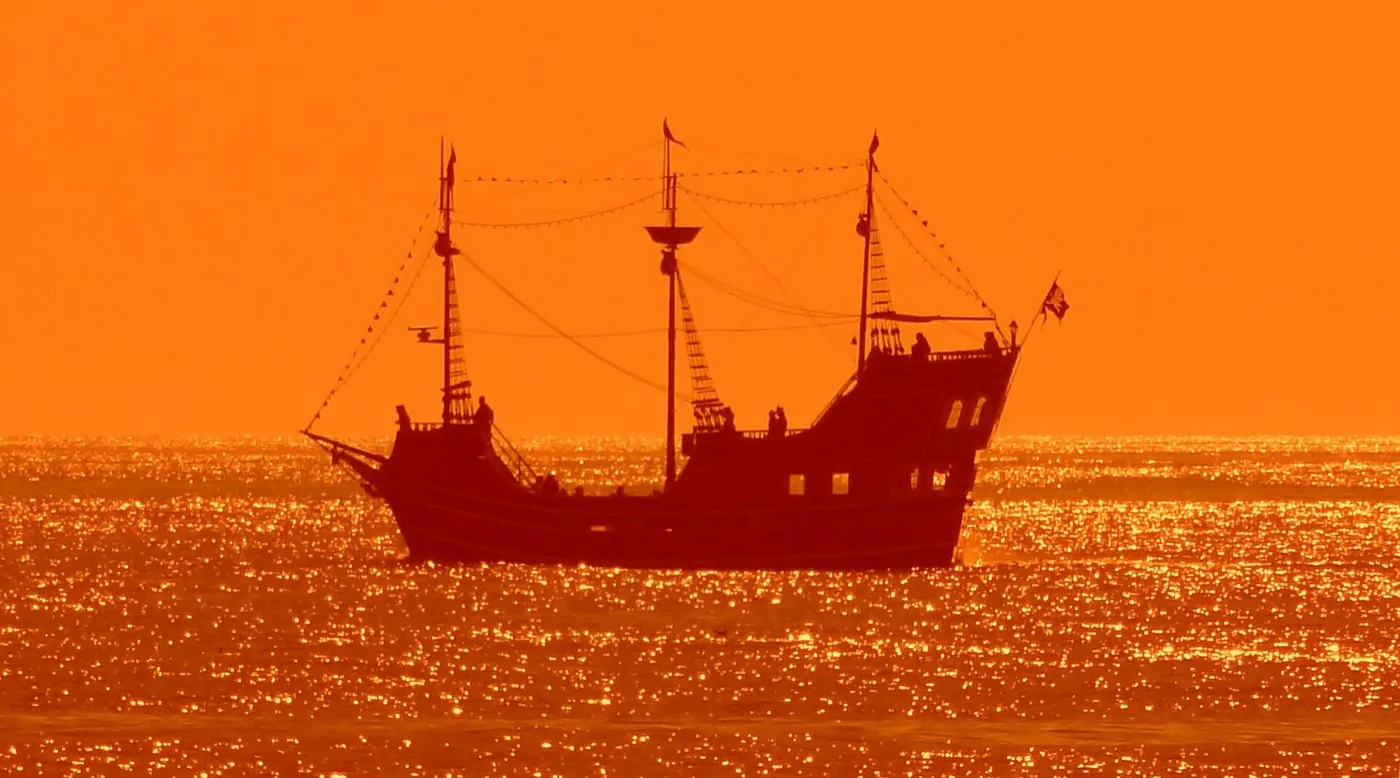
Forget coral. Clearwater is a Gulf outing, where you drift over seagrass and sand and look for stingrays and dolphins. The real prize is the shallow…
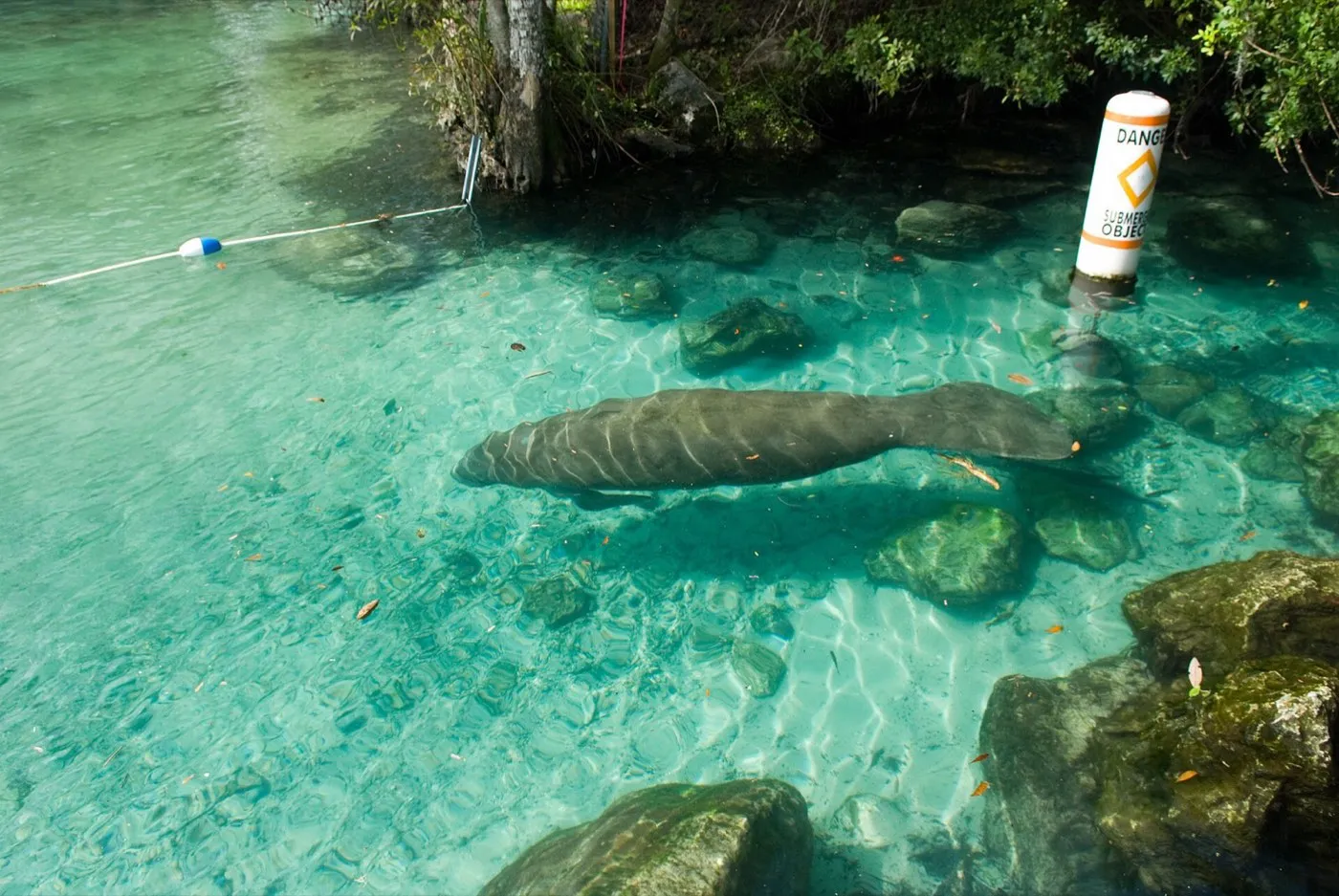
Slip into 72 F spring water and float beside wild West Indian manatees. Crystal River is the one place in the US where you can. Winter is the peak,…
Destin is emerald Gulf water over sand and limestone rock, not coral reef. The East Pass jetties hold the fish, Crab Island is the shallow party…
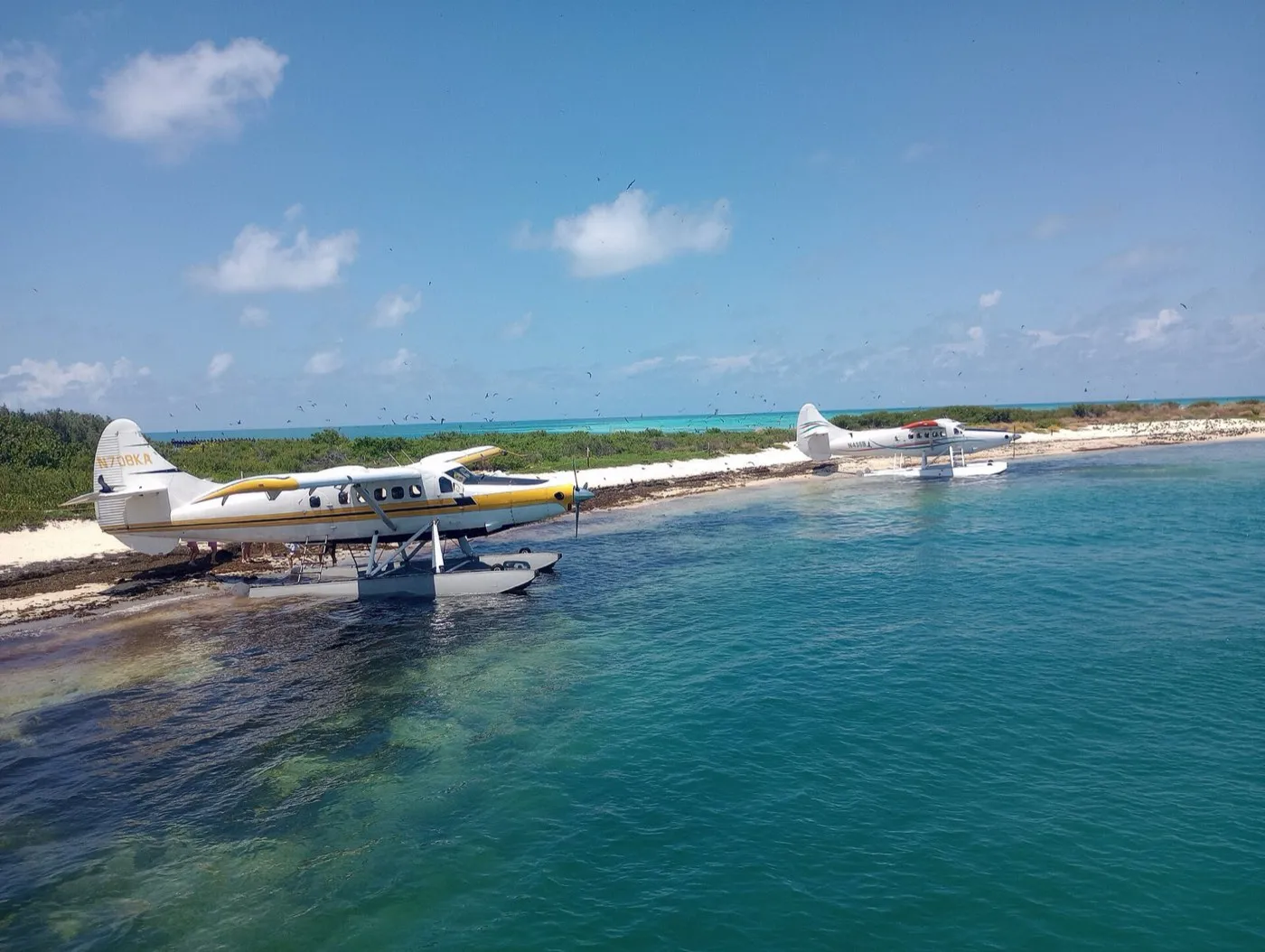
Picture a 19th century brick fort on a tiny island, 70 miles of open water from Key West. You swim along the outside of its moat wall, where reef…
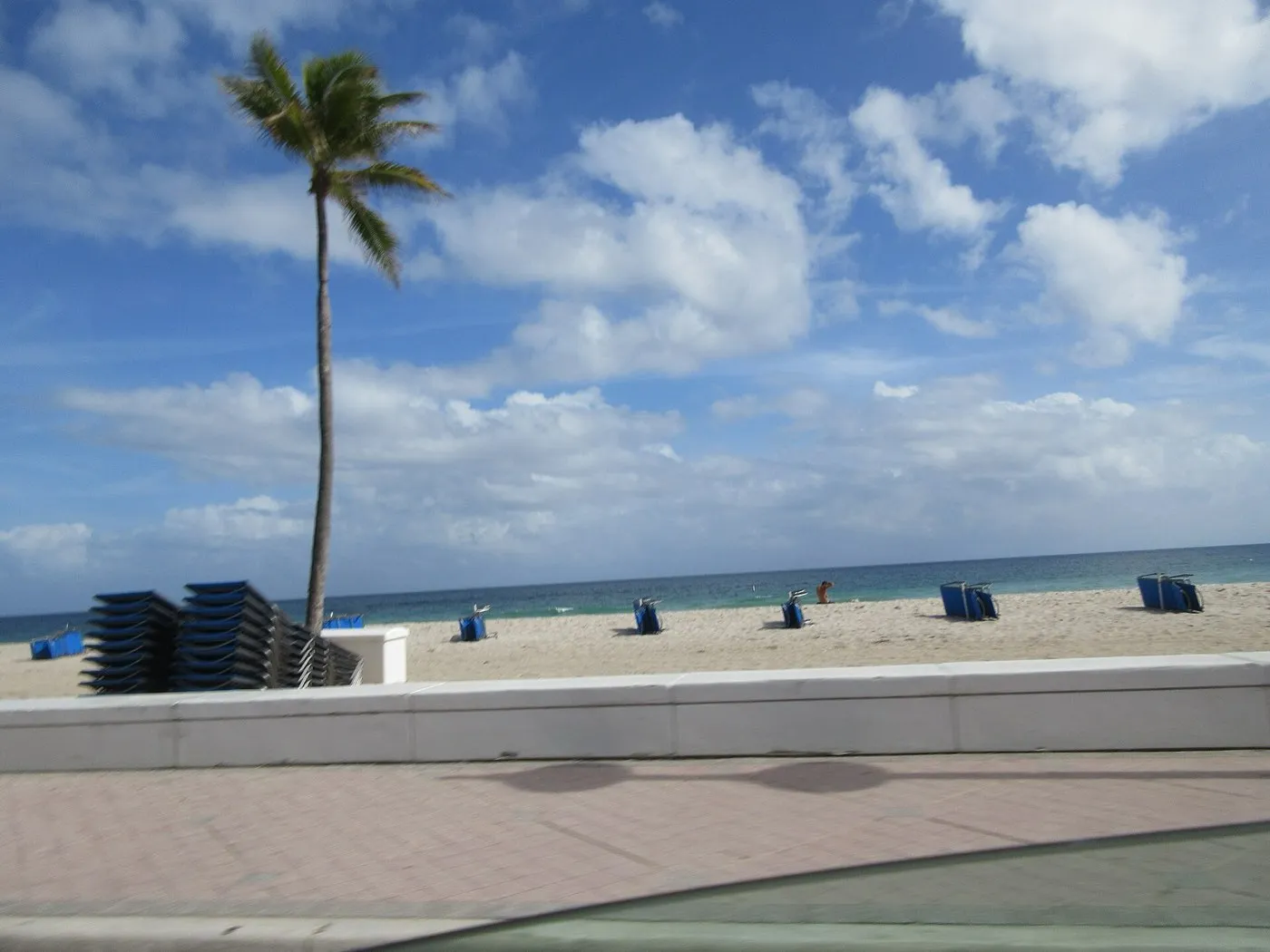
Walk off a Broward beach and you can be over a coral reef in minutes. Up the coast, a shipwreck trail and a state-protected steamship wreck add even…
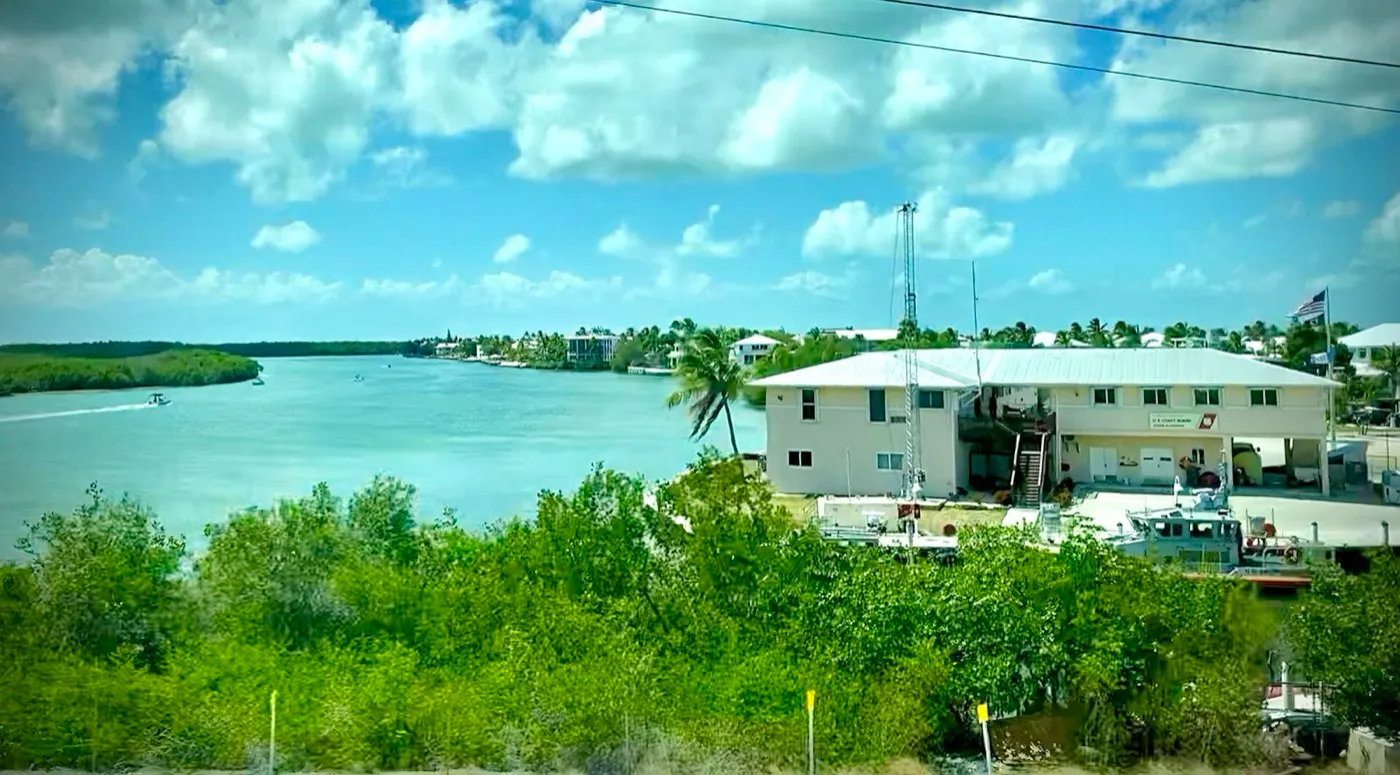
Islamorada has the Keys' shallowest patch reefs and a lighthouse reef, all a short boat ride from the dock. Expect fewer crowds than Key Largo, with…
We check fees, rules and access against official sources first, then local operators and recent visitor reports. Conditions change, so always follow posted signs and lifeguards. Spotted something out of date? Tell us.