
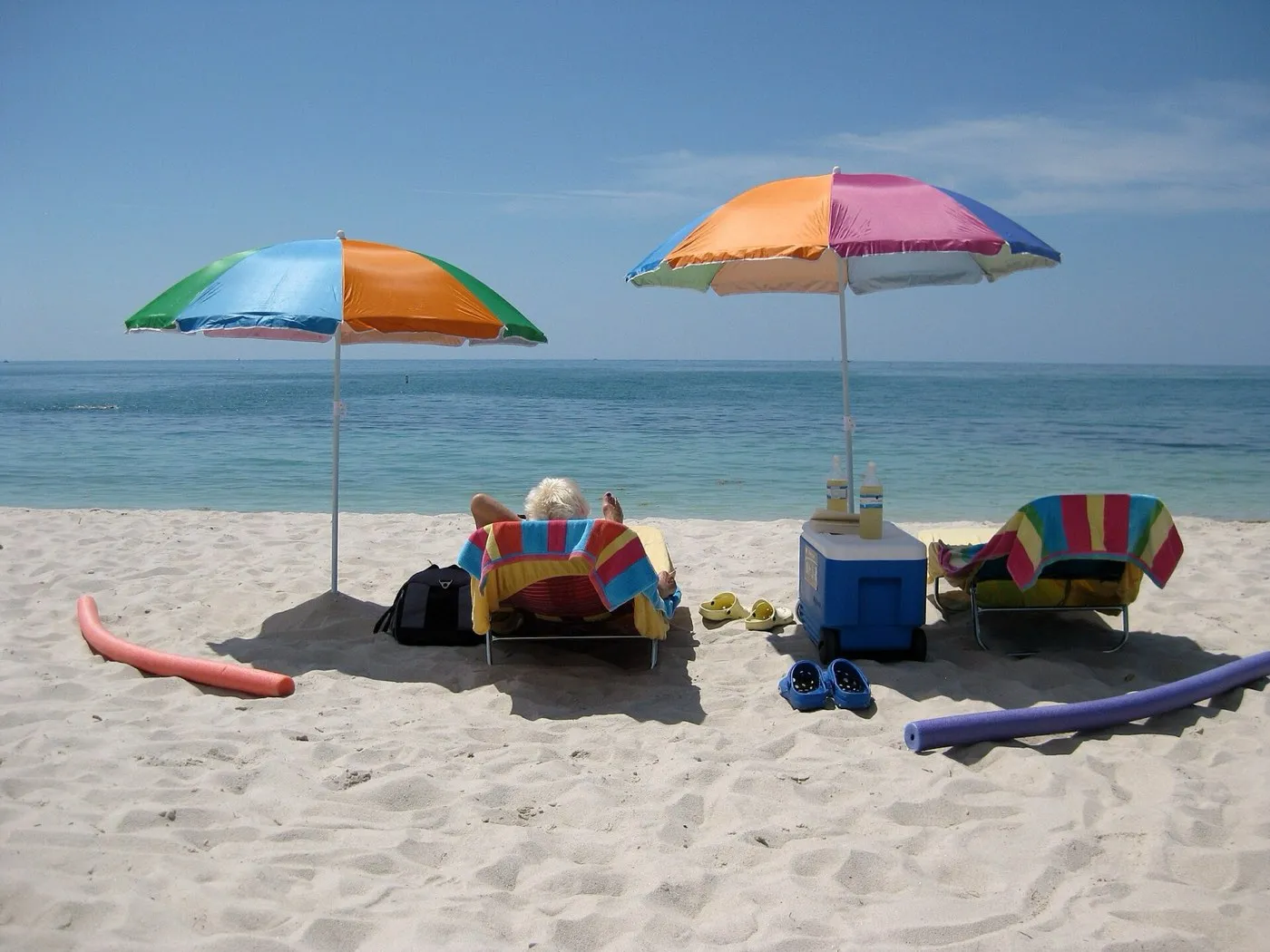
Sombrero Beach
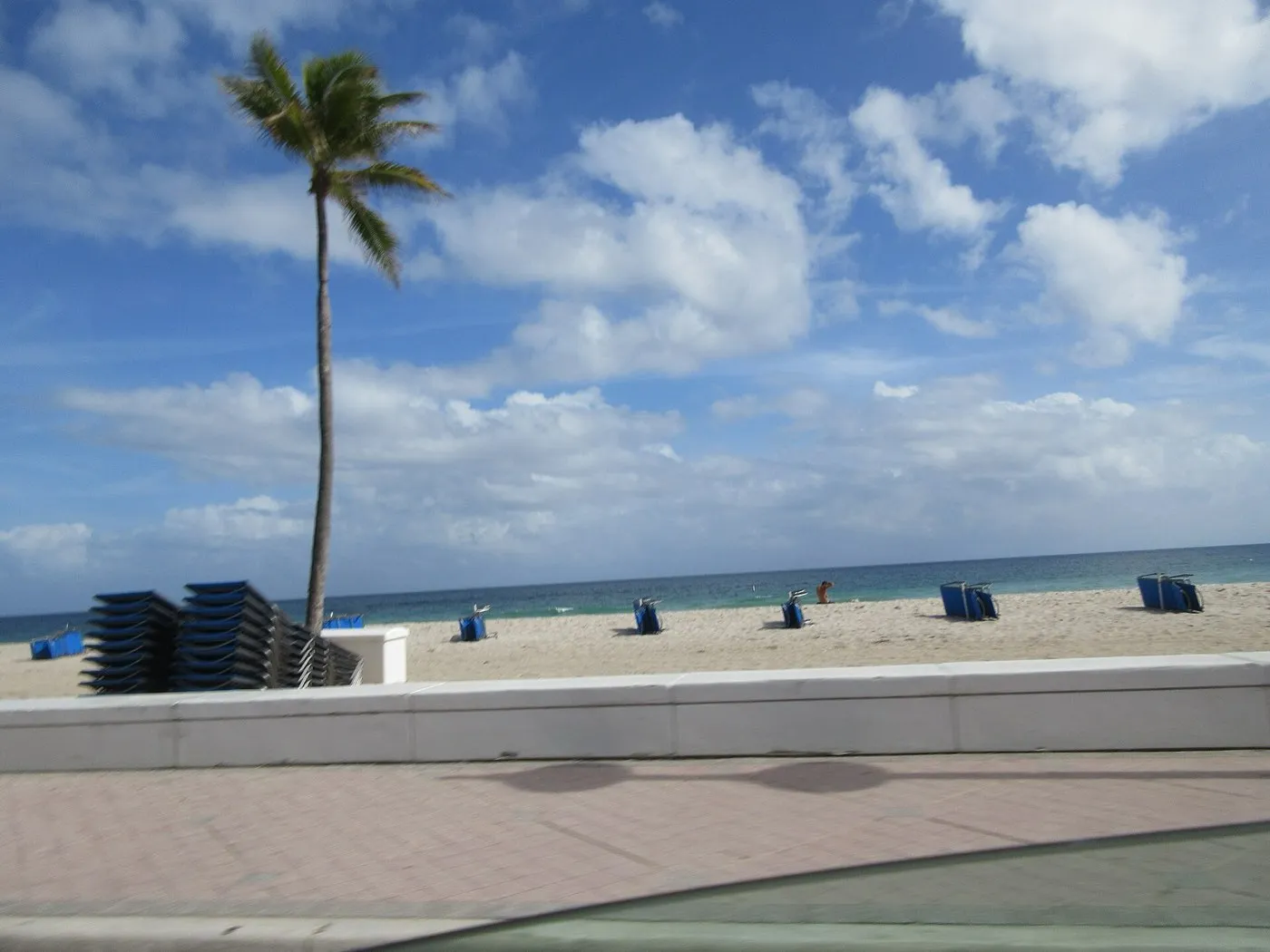
Marathon's family beach, calm and easy for beginners. The water is clearer if you swim farther out. Nesting turtles may close sections.
No entry fee found in sources. Confirm with the City of Marathon. Directions
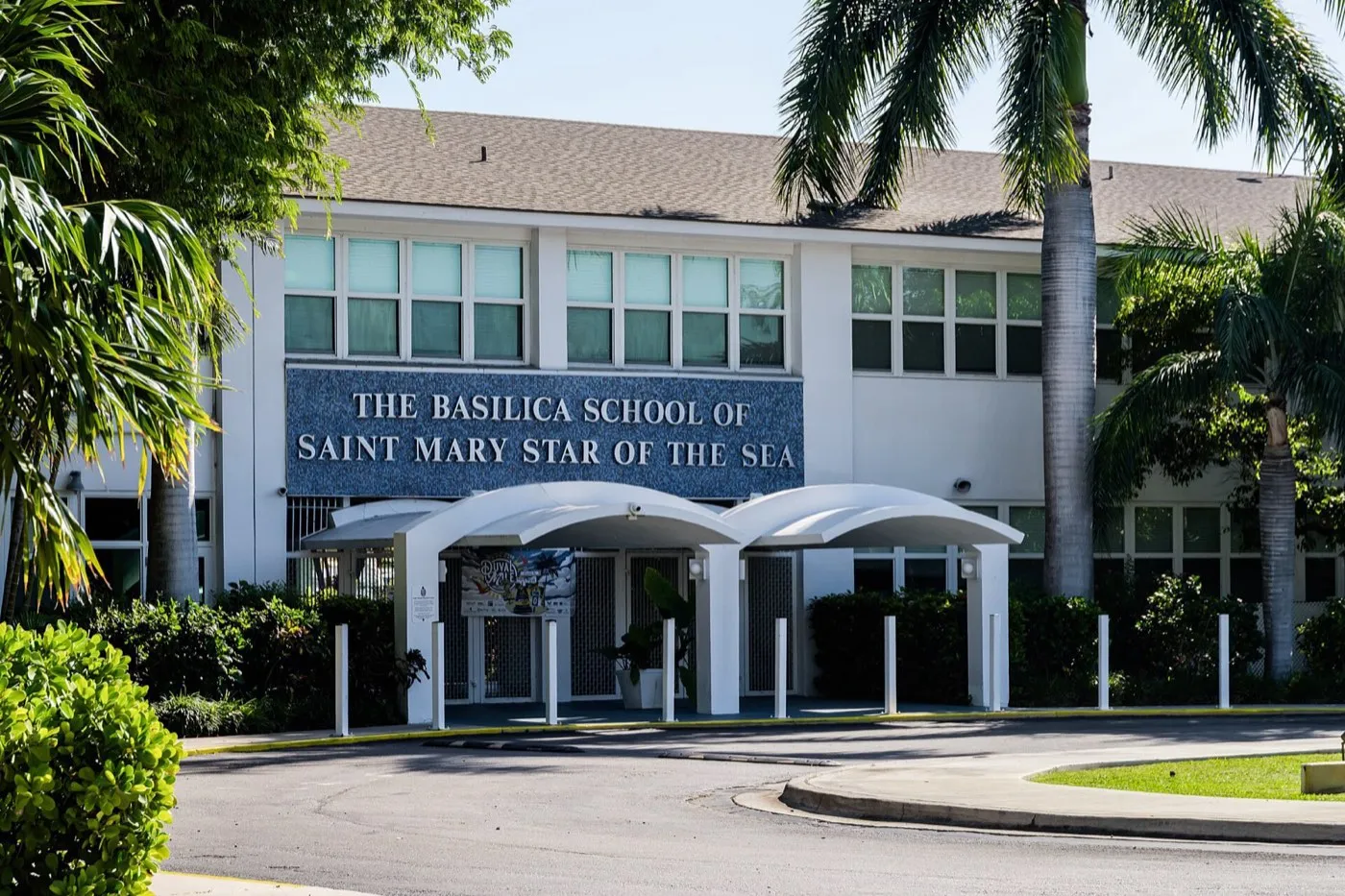 Photo: Julian Lupyan, CC0
The only living barrier reef in the continental US runs along the Florida Keys. Most of it is a boat ride away, and all of it is a sanctuary, so how you snorkel matters.
The Florida Keys curve 120 miles southwest from Key Largo to Key West, with the continental US's only living coral barrier reef running parallel just offshore. Almost all of it sits inside Florida Keys National Marine Sanctuary, and that shapes how you snorkel here. The best coral is on offshore reefs, reached by guided boat trips of two to three hours. Shore snorkeling is limited to a few beaches where the bottom is rockier and the fish are smaller.
Key Largo has the shallowest reef-top snorkeling and the Christ of the Abyss statue. The Middle and Lower Keys have fewer crowds and a few good wade-in beaches such as Bahia Honda, Sombrero Beach and Fort Zachary Taylor. Whatever you book, look for a NOAA Blue Star operator, wear a mineral or no sunscreen, and keep your fins off the coral.
Tap a spot to see what it is like, then open its guide or get directions.
Tap a card for spotting tips and the Guardian rule for each animal. Filter by what you most want to meet.
A branching coral with thick, antler-like arms that once built the shallow reef crests of the Florida Keys. It is now threatened and the focus of major restoration work.
Acropora palmata
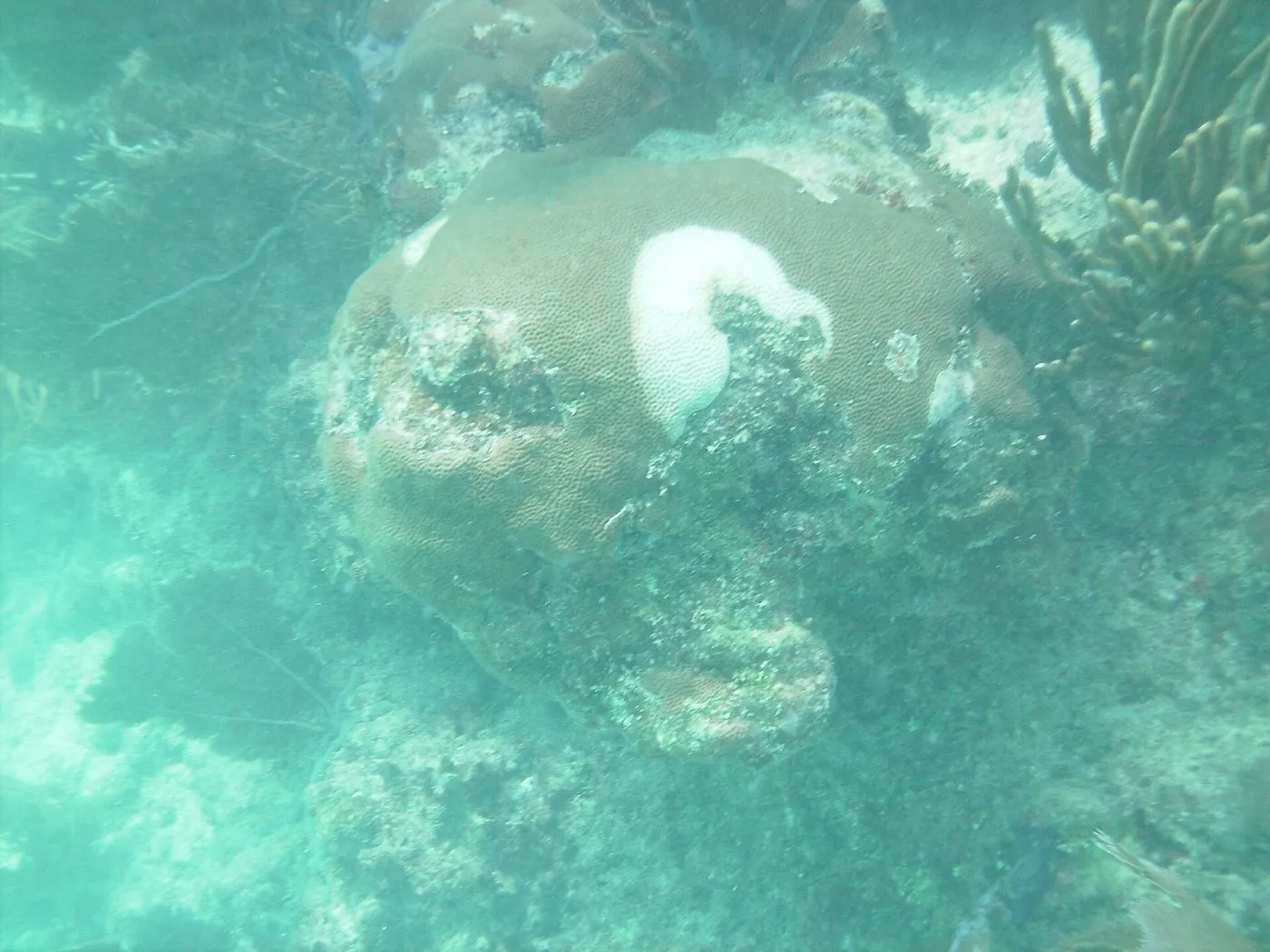
Rounded coral heads covered in winding grooves that look like a brain. Common on Florida reefs and slow growing, so a big head can be centuries old.
Diploria, Pseudodiploria, Colpophyllia
Purple, lacy soft corals that sway in the current on Florida and Caribbean reefs. They face across the current to filter food from the water.
Gorgonia
Colorful grazers with fused, beak-like teeth. You can hear them crunch on coral rock, and much of the white sand on tropical beaches passes through them.
Scaridae
A deep blue surgeonfish that grazes Florida reefs in roving schools. Juveniles are bright yellow and change to blue as they grow.
Acanthurus coeruleus
An electric blue and yellow angelfish with a blue crown spot on its forehead. One of the most photographed fish in the Florida Keys.
Holacanthus ciliaris
A long, silver predator that hangs motionless near the surface and watches snorkelers with curiosity. It looks fierce but rarely bothers people.
Guardian rule: Take off shiny jewelry, which can look like a fish flash.
Sphyraena barracuda
A silver snapper with a bright yellow stripe and forked tail that schools over Florida reefs, often hovering right below snorkelers.
Ocyurus chrysurus
The turtle you are most likely to meet. Greens graze on algae over shallow reef and rest under ledges. In Hawaii they are protected and very used to snorkelers.
Spotting tip: Scan the rocky edges where waves wash over algae, and sandy cleaning stations where fish pick at their shells.
Guardian rule: Stay at least 10 ft away. Never block a turtle's path to the surface.
Chelonia mydas
A 9 ft bronze statue standing in about 25 ft of water at Key Largo Dry Rocks, inside the Florida Keys National Marine Sanctuary.
Guardian rule: Do not stand on the statue base or the surrounding reef.
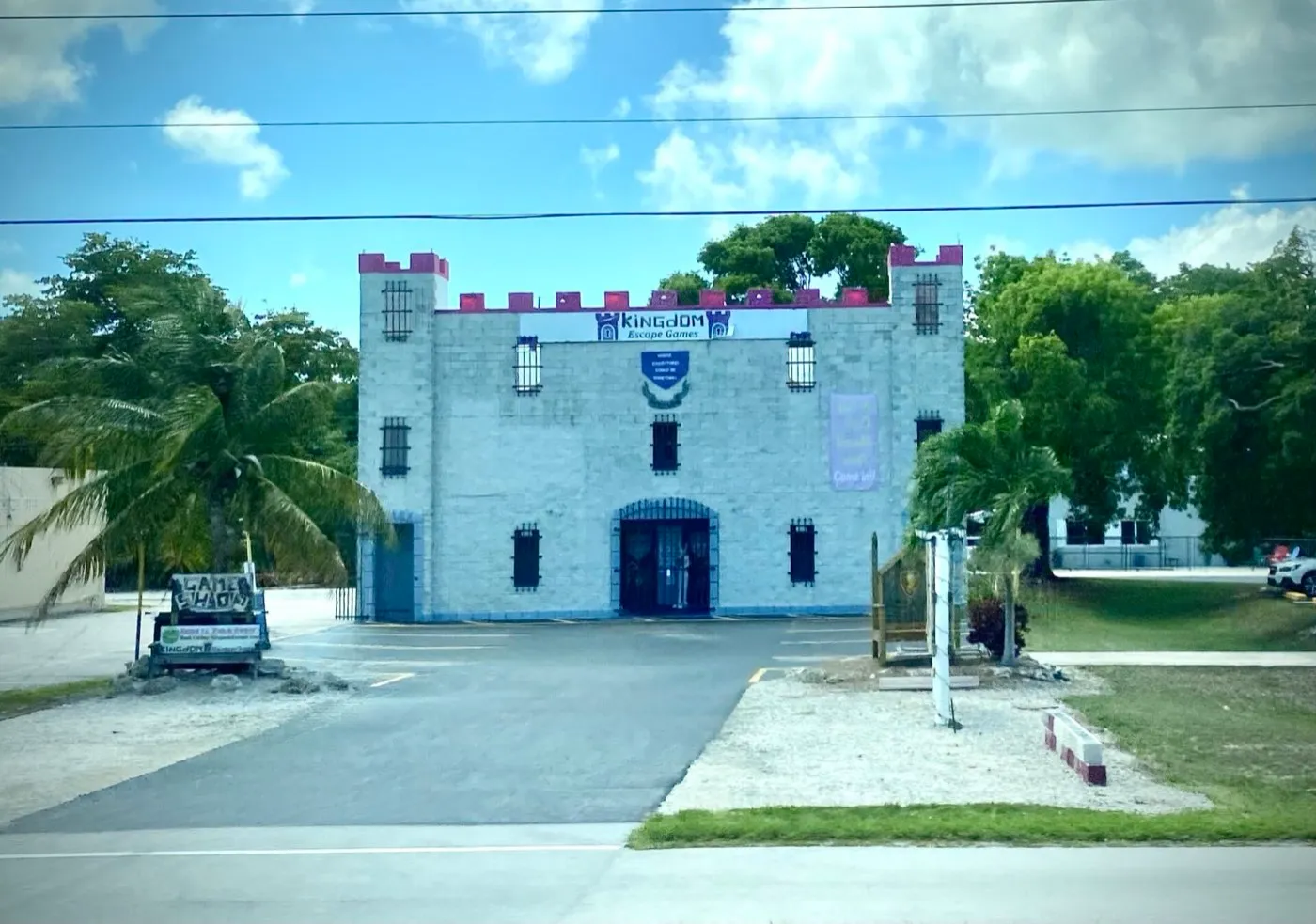
Shallow reefs sit a short boat ride offshore, and on the seafloor a bronze Jesus stands waiting. Key Largo is the Upper Keys' snorkel capital, with…
The only living barrier reef in the continental US lies just offshore from Key West. A 20 to 30 minute boat ride puts you over protected patch reefs…
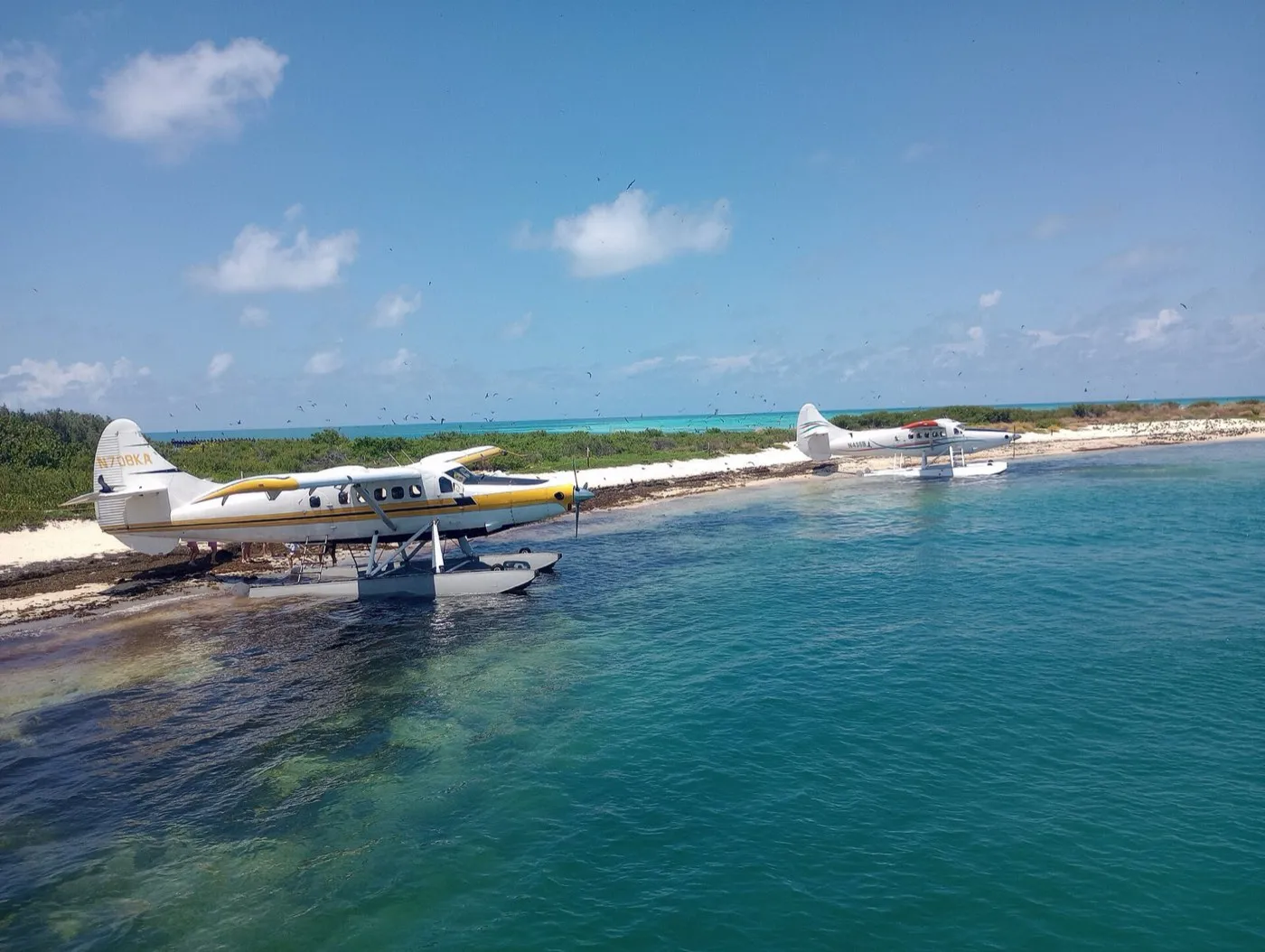
Picture a 19th century brick fort on a tiny island, 70 miles of open water from Key West. You swim along the outside of its moat wall, where reef…
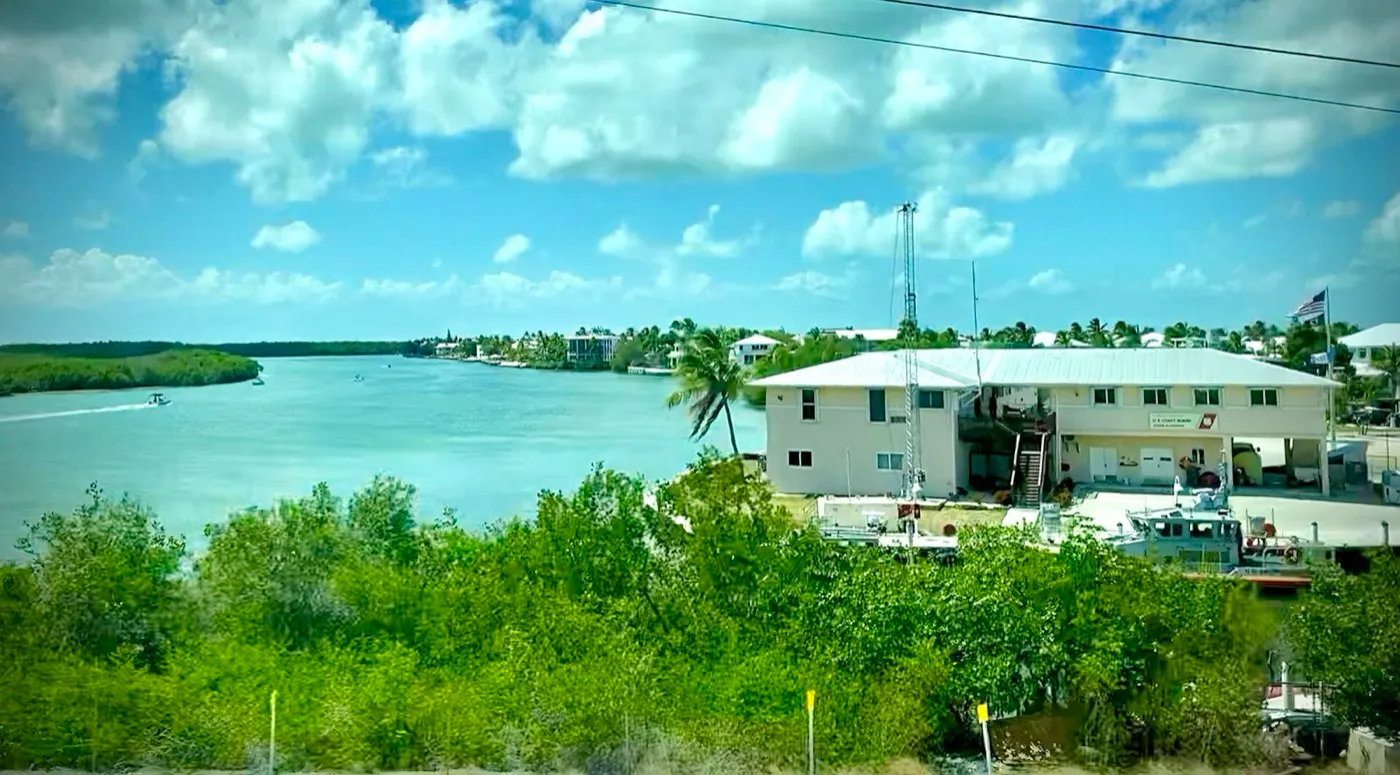
Islamorada has the Keys' shallowest patch reefs and a lighthouse reef, all a short boat ride from the dock. Expect fewer crowds than Key Largo, with…
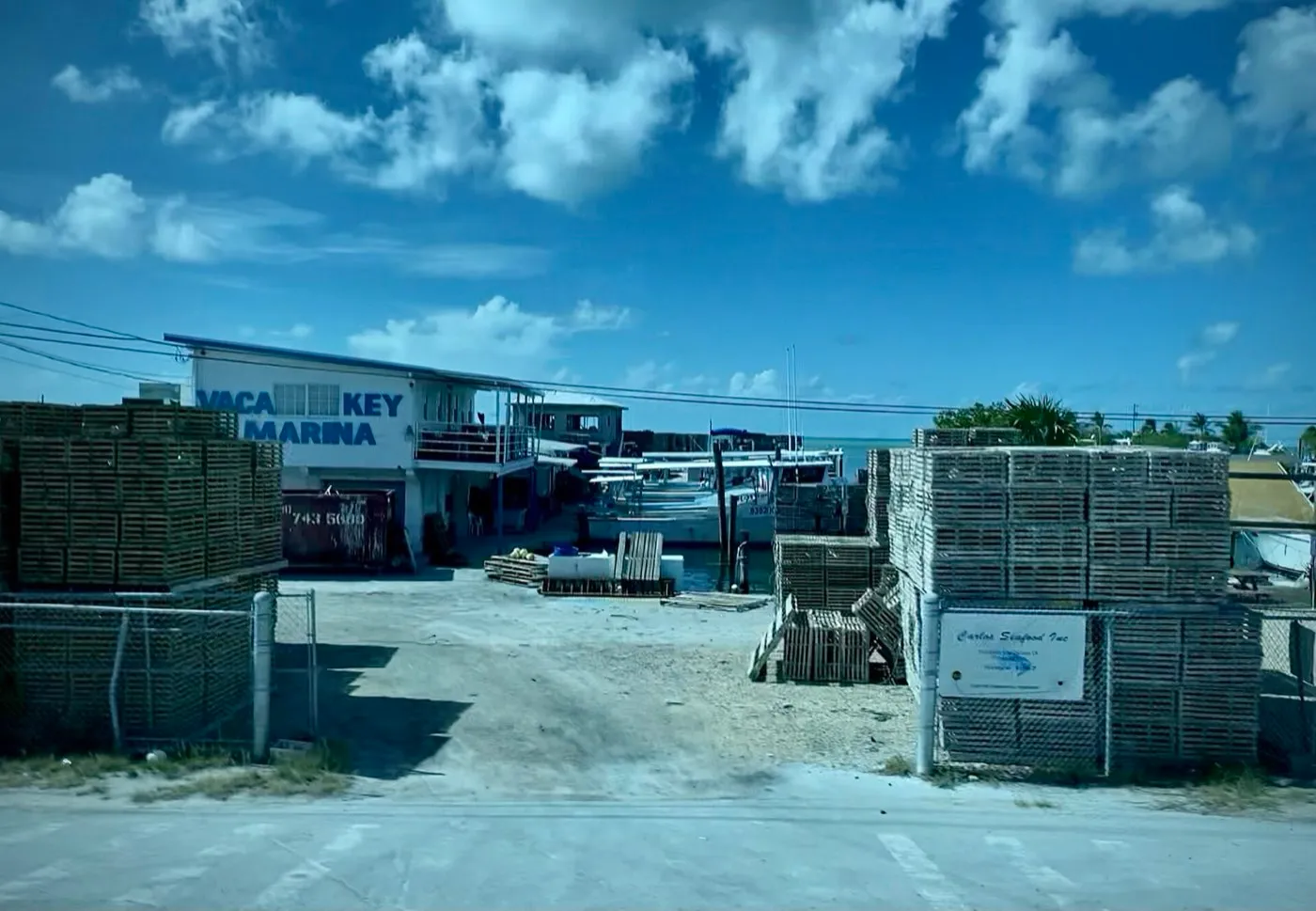
Put your face in the water off Marathon and the Keys' most famous lighthouse reef rolls out below you. A calmer shallow patch reef and easy beaches…
Looe Key is the Lower Keys' answer to the crowded Upper Keys reefs. The coral on this long spur and groove reef tops out only about 7 ft down. You…
 Full guide
Beginner wade-in snorkeling off the park beaches, plus the daily park boat to Looe Key for real reef. Found on Big Pine Key.
Marathon's family beach, calm and easy for beginners. The water is clearer if you swim farther out. Nesting turtles may close sections.
No entry fee found in sources. Confirm with the City of Marathon. Directions
Shore entries with easy parking and calm water on a normal day. Still check the surf and ask the lifeguard.
Beginner wade-in snorkeling off the park beaches, plus the daily park boat to Looe Key for real reef. Found on Big Pine Key.
Marathon's family beach, calm and easy for beginners. The water is clearer if you swim farther out. Nesting turtles may close sections.
America's first undersea park. Boat trips reach shallow Keys reefs and the Christ of the Abyss statue, and a shore beach sits by the marina.
The only easy shore snorkel in Key West. Rocky bottom just off the beach, with a coral restoration trail planted by Mote. No lifeguards.
Swim along the outside of the Fort Jefferson moat wall and over the coaling dock pilings, about 70 miles west of Key West. Reached by ferry or seaplane.
A small state park island reached by kayak or boat tour. Shallow rocky shoreline with small reef fish. Check the tides.
A state park beach on the Atlantic side, with shallow sloping water, seagrass and small fish. Check conditions and the park fee.
Calm Choppy Rough. Wave heights are offshore model values.
Loading tides…
Forecast: Open-Meteo. Tides: NOAA station 8723970. Model data, not a lifeguard report. Always check posted warnings.
by John Pennekamp Coral Reef State Park (park concession)
The park's own boat runs several snorkel trips a day, about 2.5 hours with roughly 1.5 hours of reef time. A safety vest is provided and must be worn. Mask, snorkel and fins can be rented.
The park is on NOAA's Blue Star list. The captain picks the reef by weather and sea state, so Christ of the Abyss is not guaranteed.
by Silent World Dive Center
Daily group trips to two sites, including the Christ of the Abyss statue at Key Largo Dry Rocks and a shallow reef, with about 45 minutes in the water at each. Snorkel gear, snacks and reef-safe sunscreen are included.
Silent World is a Blue Star operator and partners with Coral Restoration Foundation. Reef-safe sunscreen is provided on board.
by Coral Restoration Foundation with Silent World Dive Center
An educational session, then a snorkel trip to a coral nursery and restoration site. Snorkelers watch from the surface. Dates are set by CRF, so check the event calendar.
Booking supports the Keys' leading coral restoration nonprofit, and Silent World is a Blue Star operator.
We may earn a commission when you book through these links, at no extra cost to you. It never changes which tours we pick. How we choose tours.
Apr to Aug has the calmest seas and warmest water, with Key West sea temperature around 86 F in Jul and Aug and about 72 F in Feb. Winter cold fronts bring wind and chop. Sep to Oct is warm but peak hurricane season.
Mornings are calmer than afternoons on both the reef and the shore beaches.
Days after a strong cold front and any time a tropical system is near. Summer 2023 heat caused serious coral bleaching, so ask operators how a reef looks now.
| Row | Jan | Feb | Mar | Apr | May | Jun | Jul | Aug | Sep | Oct | Nov | Dec |
|---|---|---|---|---|---|---|---|---|---|---|---|---|
| Snorkel conditions | Fair | Fair | Good | Best | Best | Best | Best | Best | Good | Good | Good | Fair |
Key Largo's Key Largo Dry Rocks, Grecian Rocks and Carysfort are the best known shallow reefs and sit in Sanctuary Preservation Areas. Farther south, Sombrero Reef off Marathon is a big shallow reef. Pick by trip, since depth and conditions change by day. See the Key Largo page for reef cards.
Key Largo is closest to Miami and has the most snorkel boats, the shallowest reef tops and the Christ of the Abyss statue. Key West is a longer drive, has fewer snorkel-first reefs close in, and is the base for Dry Tortugas trips and a shore beach at Fort Zachary Taylor. Key Largo suits a short trip. Key West suits a longer one.
Most reef snorkeling is on guided boat trips of two to three hours with gear included or rented. Look for Blue Star operators such as Silent World and the Pennekamp park boat in Key Largo. Prices change, so check each operator.
The best wade-in options are Bahia Honda State Park, Sombrero Beach in Marathon and Fort Zachary Taylor in Key West. Expect shallower water, patchy coral and smaller fish than offshore reefs. Calusa Beach at Bahia Honda is the calmer, protected side.
NOAA and partners plan to restore seven reef sites over 20 years: Carysfort, Horseshoe, Cheeca Rocks, Sombrero, Newfound Harbor, Looe Key and Eastern Dry Rocks. Coral Restoration Foundation offers public snorkel trips to its nurseries off Key Largo.
The reefs are in Florida Keys National Marine Sanctuary. These are the rules snorkelers meet most often.
There are 17 SPAs covering about 12 square miles. Snorkeling is allowed. Fishing, collecting or possessing marine life, touching or standing on coral, and anchoring on coral are prohibited. NOAA lists a change from 2027 that bans anchoring in most SPAs. Official rule
Over 490 white mooring buoys with blue stripes are free and first come, first served. Tie up instead of anchoring. Yellow buoys mark zone boundaries and are not for tying to. Official rule
Snorkelers count as divers under Florida law. Display a red flag with a white diagonal stripe. Boaters must idle within 300 ft in open water or 100 ft in rivers, inlets and channels. Official rule
A voluntary NOAA program. Listed shops teach customers about the sanctuary and reef etiquette. Check NOAA's list before you book. Official rule
How snorkelers protect reefs · Choosing a reef-safe sunscreen
These local groups restore coral, rescue wildlife and keep the water clean. Volunteer a morning, donate, or just follow their work.
Coral nurseries and reef restoration in the Upper Keys
CRF grows staghorn and elkhorn coral in offshore nurseries off Key Largo and plants them on degraded reefs. It runs public snorkel and dive programs with local shops and takes volunteers.
Visit coralrestoration.org →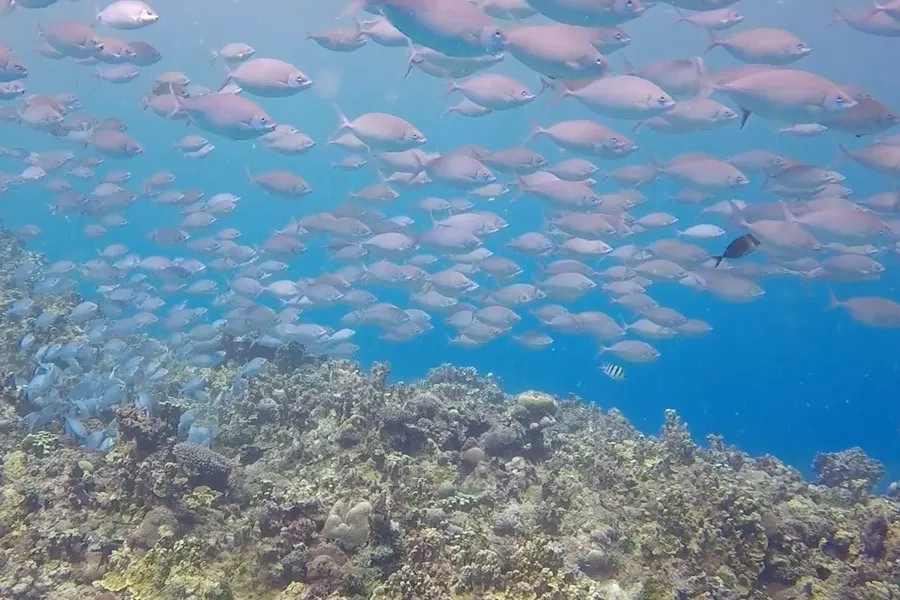
Key Largo has the best known shallow reefs, including Key Largo Dry Rocks, Grecian Rocks and Carysfort. Most are reached by boat. For wade-in snorkeling, try Bahia Honda, Sombrero Beach or Fort Zachary Taylor.
Yes, but options are limited. Bahia Honda State Park, Sombrero Beach and Fort Zachary Taylor are the main shore spots. The coral is much better on offshore reefs, which need a boat.
April to August has calm, warm seas. Key West sea temperature is about 72 F in February and 86 F in July and August. Winter fronts bring chop. Sep and Oct are hurricane season.
Blue Star is a voluntary NOAA recognition for Keys dive and snorkel shops that teach customers about the sanctuary and reef etiquette. NOAA publishes the list of active operators.
What we pack for every snorkel trip. Each link searches the category on Amazon so you can compare brands and prices.
Non-nano zinc oxide only. No oxybenzone or octinoxate, which Hawaii bans.
Shop on Amazon →The best sun protection is fabric. Less sunscreen in the water, less sunburn on your back.
Shop on Amazon →A low-volume mask that fits beats any rental. Short travel fins pack easily.
Shop on Amazon →An inflatable vest lets you rest without standing on the reef. Lifeguards love them.
Shop on Amazon →As an Amazon Associate we earn from qualifying purchases. Disclosure.
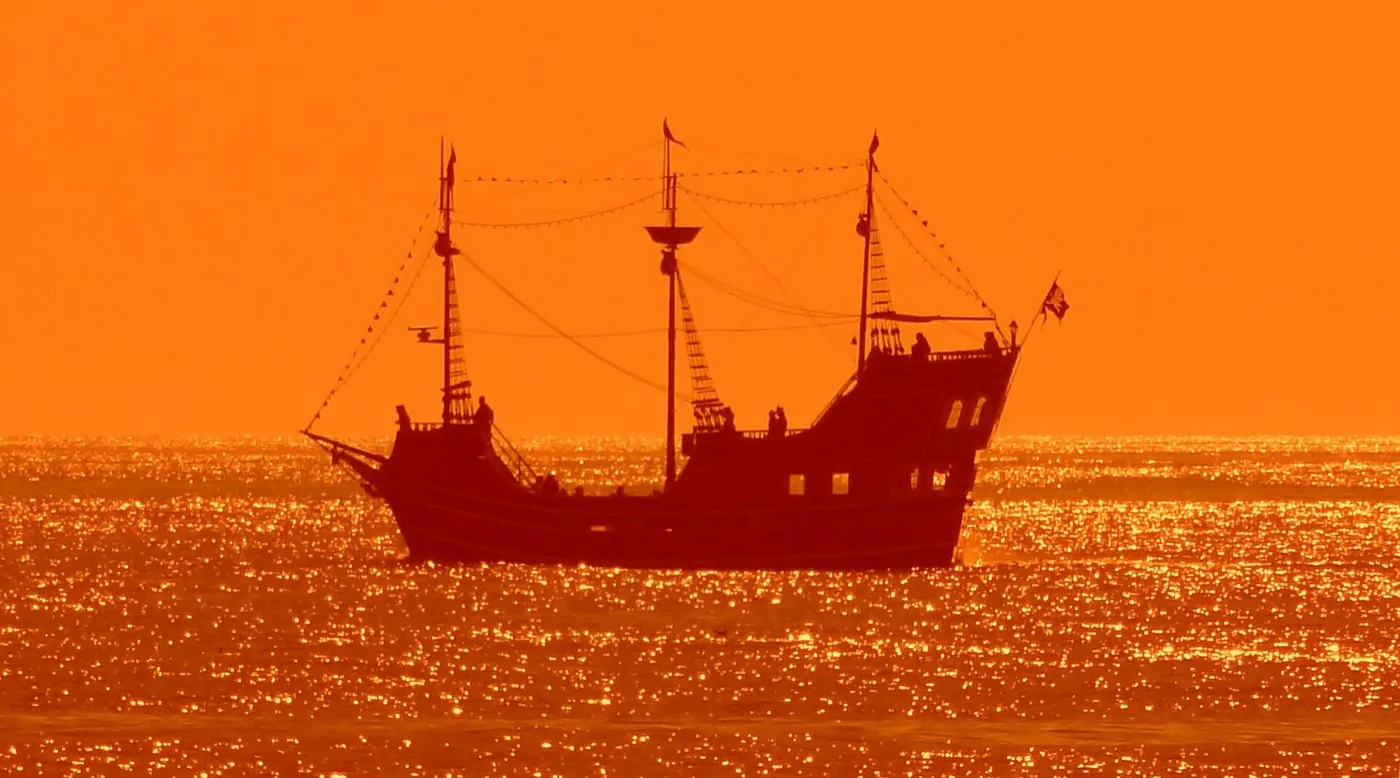
Forget coral. Clearwater is a Gulf outing, where you drift over seagrass and sand and look for stingrays and dolphins. The real prize is the shallow…
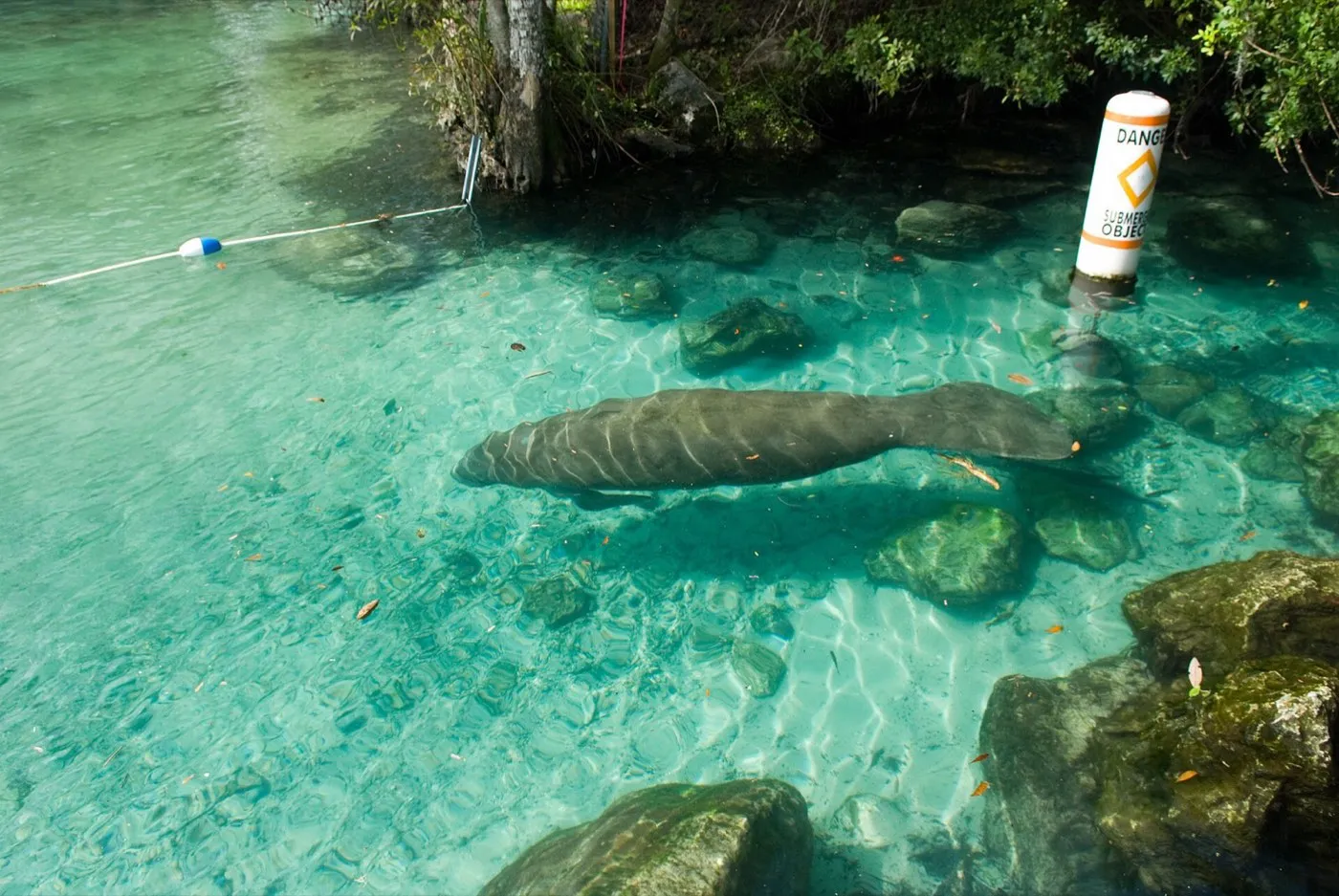
Slip into 72 F spring water and float beside wild West Indian manatees. Crystal River is the one place in the US where you can. Winter is the peak,…
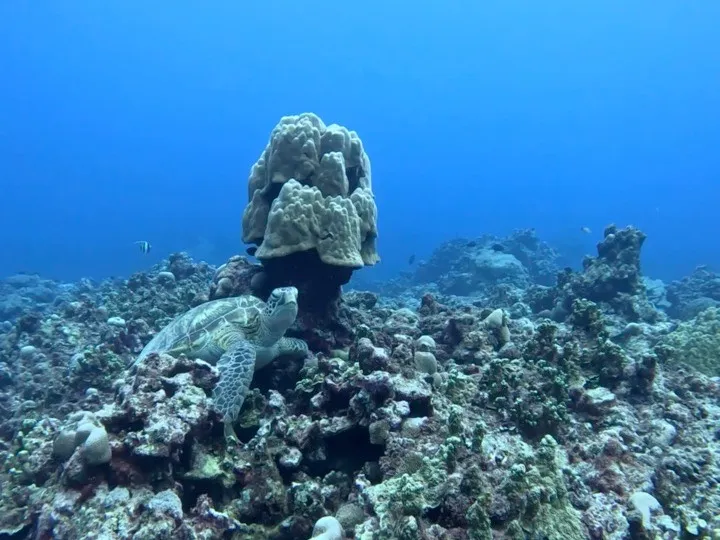
Destin is emerald Gulf water over sand and limestone rock, not coral reef. The East Pass jetties hold the fish, Crab Island is the shallow party…
Picture a 19th century brick fort on a tiny island, 70 miles of open water from Key West. You swim along the outside of its moat wall, where reef…
Walk off a Broward beach and you can be over a coral reef in minutes. Up the coast, a shipwreck trail and a state-protected steamship wreck add even…
Islamorada has the Keys' shallowest patch reefs and a lighthouse reef, all a short boat ride from the dock. Expect fewer crowds than Key Largo, with…
We check fees, rules and access against official sources first, then local operators and recent visitor reports. Conditions change, so always follow posted signs and lifeguards. Spotted something out of date? Tell us.