
Why Kapalua Bay suits beginners
The beach is soft sand, the water is shallow at the start and the two lava points shelter the bay from most swell. Fish and turtles are within a short swim, so first-timers see something fast.
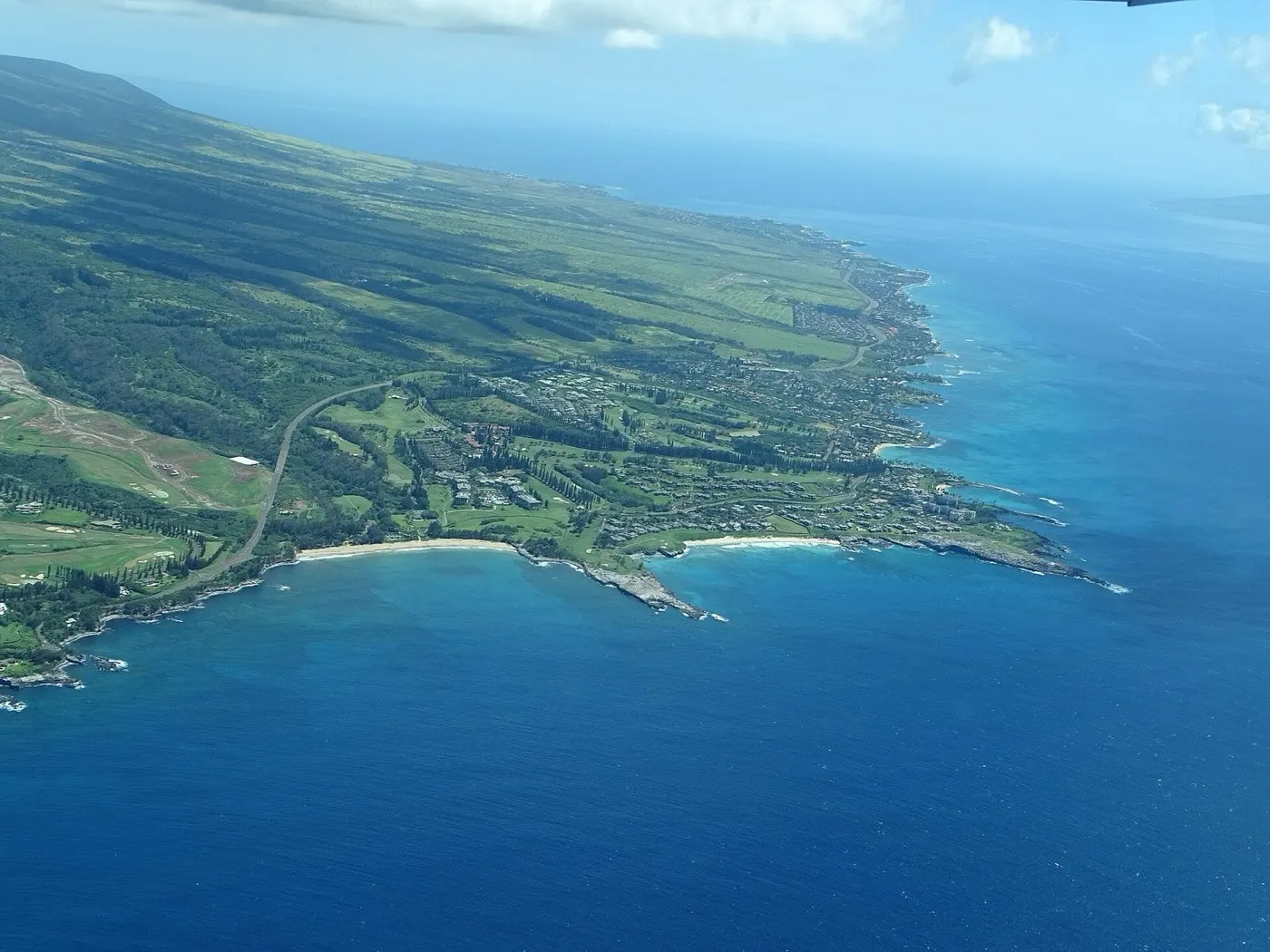 Photo: James Brennan Moloka…, CC BY 3.0
A golden-sand crescent sits between two lava points, and the water here is usually the gentlest on Maui's northwest coast. You enter straight off the sand into shallows, with the reef along the rocky points. Kapalua Bay is the place to bring a first-timer, unless a winter north swell is running.
Head for the coral at the rocky points rather than the sandy middle. Guides favor the northern point, on your right facing the sea, where coral is better preserved and the water is calmer. Maximum depth is about 15 ft. Expect sailfin tang, parrotfish, butterflyfish, wrasses, several moray eels and red pencil urchins in the crevices. Green sea turtles often rest in the bay.
The rocky point to your right facing the ocean holds the best coral and calmer water, according to a snorkeling guide site. Another guide calls it the focus of the bay.
One guide suggests entering on the sandy left side, since the right side is rocky, then swimming across to the reef.
The water starts only about 2 ft deep, so children and nervous swimmers can practice with their feet near the bottom.
The turtle you are most likely to meet. Greens graze on algae over shallow reef and rest under ledges. In Hawaii they are protected and very used to snorkelers.
Spotting tip: Scan the rocky edges where waves wash over algae, and sandy cleaning stations where fish pick at their shells.
Guardian rule: Stay at least 10 ft away. Never block a turtle's path to the surface.
Chelonia mydas
A bright lemon-yellow surgeonfish that grazes algae in loose schools. It is one of the easiest Hawaiian reef fish to spot, especially along the Kona coast.
Zebrasoma flavescens
Colorful grazers with fused, beak-like teeth. You can hear them crunch on coral rock, and much of the white sand on tropical beaches passes through them.
Scaridae
A pale surgeonfish with dark vertical bars, often moving across Hawaiian reefs in big grazing schools.
Acanthurus triostegus
A long, thin fish that hovers head down among coral or shadows bigger fish to sneak up on prey. Found in Hawaii and Florida.
Aulostomus
Live sea temperature, waves and wind for the next 7 days, with our snorkel rating for each day.
Calm Choppy Rough. Wave heights are offshore model values.
Loading tides…
Forecast: Open-Meteo. Tides: NOAA station 1615680. Model data, not a lifeguard report. Always check posted warnings.
Hand-picked tours that run here, ranked for small groups, a proper reef briefing and respect for wildlife.
by Pacific Whale Foundation (PacWhale Eco-Adventures)
Morning boat trip snorkeling Molokini crater, then a second stop known for green sea turtles and underwater lava arches. Breakfast, lunch and beverages included.
Run by Maui's nonprofit-powered ocean operator; tour revenue supports Pacific Whale Foundation research and conservation, and catamarans run on biodiesel.
by Pacific Whale Foundation (PacWhale Eco-Adventures)
Small-group adventure with drift snorkeling on Molokini's back wall, volcanic coastline, turtles and a search for dolphins and rays, guided by naturalists.
Nonprofit-powered operator guided by expert naturalists, with revenue supporting marine research and education.
by Redline Rafting
Short raft trip from Kihei to Molokini with snorkel gear, float belts and fish identification included, up to 24 passengers. No turtle stop on this itinerary.
Small group of up to 24 and a reef briefing on Molokini's no-fishing, no-touching, no-feeding rules. Bring mineral sunscreen.
by Pride of Maui
65-foot catamaran to Molokini Crater, with a Turtle Town stop when conditions allow. Gear, flotation vests, breakfast, BBQ lunch and drinks included. Adult price shown; children 4 to 12 were $158.
Requires reef-safe sunscreen, bans standing on coral and describes reef-care practices. A large catamaran rather than a small group.
by Pacific Whale Foundation (PacWhale Eco-Adventures)
Morning catamaran sail up the West Maui coast to snorkel Honolua Bay, with naturalists, a Snorkel 101 lesson, breakfast and BBQ lunch. Adult price shown during a buy-one-get-one promotion; sites depend on weather and are not guaranteed.
Onboard naturalists, vessels run mostly on biodiesel, food waste is composted and full-face snorkel masks are not allowed. Revenue supports Pacific Whale Foundation.
We may earn a commission when you book through these links, at no extra cost to you. It never changes which tours we pick. How we choose tours.
Summer is the safest season. The bay is usually protected, but north swells in the winter months can make snorkeling here dangerous. Check the surf forecast on the day.
Early, before the crowds. Guides say the bay gets busy through the day.
No firm tide rule from our sources.
Skip November to March swell days, any breaking surf in the bay and murky water. Stay well inside the bay because currents are reported near the exit.
| Row | Jan | Feb | Mar | Apr | May | Jun | Jul | Aug | Sep | Oct | Nov | Dec |
|---|---|---|---|---|---|---|---|---|---|---|---|---|
| Snorkel conditions | Fair | Fair | Good | Best | Best | Best | Best | Best | Best | Best | Good | Fair |
| Green sea turtle | Good | Good | Good | Good | Good | Good | Good | Good | Good | Good | Good | Good |
| Water °F | 77 | 78 | 77 | 78 | 79 | 79 | 80 | 81 | 81 | 80 | 78 | 78 |
One of the best shore snorkels on the island for beginners in calm conditions. Entry is from soft sand and the bay is semi-protected. In winter swell, do not go in. Lifeguard status differs by source, so assume none and stay near shore.
Swim level: Calm water, weak swimmers ok with a float
Kapalua Bay is off Office Road in Kapalua, on West Maui's northwest coast. It is a public beach with marked access beside the resort.
A free lot with about 40 stalls marked Beach Access, with overflow across the road near the golf course. It holds only a few dozen cars, so arrive early. Another option is to park on Honoapiilani Road in Napili near Merriman's and walk about five minutes.
Walk down the access stairs to the sand and enter from the beach. Go in on the left side where the bottom is sandy, then swim toward the rocky points.
No fee. About 40 free stalls are marked Beach Access, with overflow across the road near the golf course; the lot fills early.
Official fees and hoursChecked 2026-10-22. Fees change, so confirm before you go.
The beach is soft sand, the water is shallow at the start and the two lava points shelter the bay from most swell. Fish and turtles are within a short swim, so first-timers see something fast.
Kapalua Bay is a public beach. Use the free lot marked Beach Access, about 40 stalls, or the overflow across the road. It fills early. Park on Honoapiilani Road near Merriman's as a fallback and walk about five minutes.
Maui County allows only mineral sunscreen, so use zinc oxide or titanium dioxide, or wear a rash guard. Keep 10 ft from turtles and never stand on the coral.
Maui County regulates sunscreen, and Hawaii protects its turtles.
NOAA asks you to stay at least 10 ft from sea turtles, in the water and on land. Never touch, chase, ride or feed one, and let it reach the surface to breathe. Official rule
Only mineral sunscreen (zinc oxide or titanium dioxide) is allowed under Maui County's ordinance in effect since October 1, 2022. A rash guard avoids the question. Official rule
Keep at least 50 yards from spinner dolphins and 100 yards from humpback whales. Official rule
Float flat, keep fins off the coral and never feed fish. Official rule
How snorkelers protect reefs · Hawaii reef-safe sunscreen rules
These local groups restore coral, rescue wildlife and keep the water clean. Volunteer a morning, donate, or just follow their work.
Sea turtle, monk seal and marine debris work on Maui
Founded in 1996, the group protects hawksbill nests and hatchlings on Maui and runs beach and net cleanups. It has a Discovery Center at Whalers Village in Kaanapali and takes volunteers.
Visit wildhawaii.org →Marine research and conservation based on Maui
A 501(c)(3) nonprofit that runs marine research, education and conservation from Maui. Its PacWhale Eco-Adventures tours help fund that work.
Visit pacificwhale.org →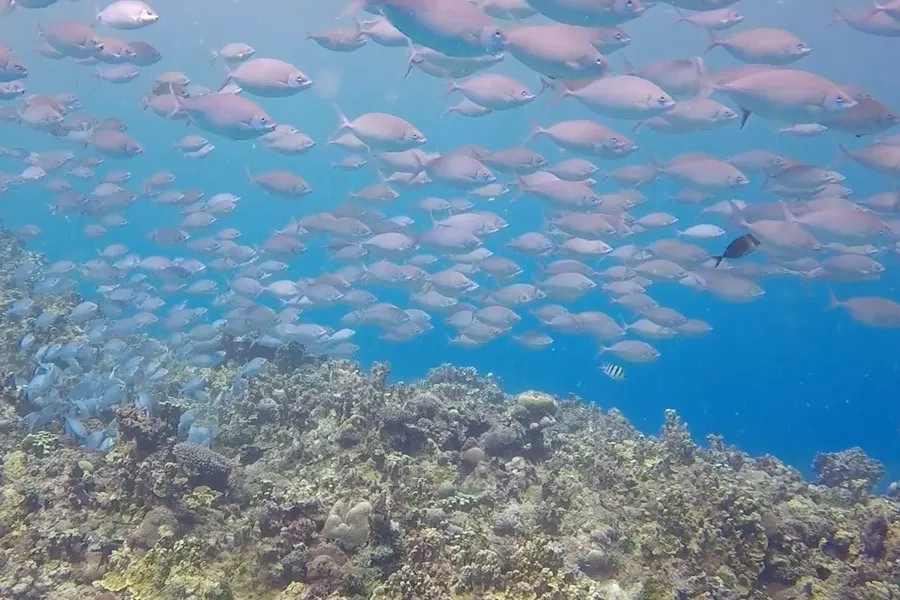
Yes. The sand entry is easy, the water starts about 2 ft deep and the bay is usually protected. Stay inside the bay and skip it when a winter north swell is running.
There is a free lot with about 40 stalls marked Beach Access, plus overflow across the road near the golf course. It fills early, so arrive in the morning.
Along the rocky points, especially the right-hand point facing the sea. The sandy middle has little to see.
Only on calm days. North swells can make it dangerous, so check the forecast and the conditions on the sand first.
Green sea turtles often rest in the bay. Keep at least 10 ft away.
What we pack for every snorkel trip. Each link searches the category on Amazon so you can compare brands and prices.
Non-nano zinc oxide only. No oxybenzone or octinoxate, which Hawaii bans.
Shop on Amazon →The best sun protection is fabric. Less sunscreen in the water, less sunburn on your back.
Shop on Amazon →A low-volume mask that fits beats any rental. Short travel fins pack easily.
Shop on Amazon →An inflatable vest lets you rest without standing on the reef. Lifeguards love them.
Shop on Amazon →As an Amazon Associate we earn from qualifying purchases. Disclosure.
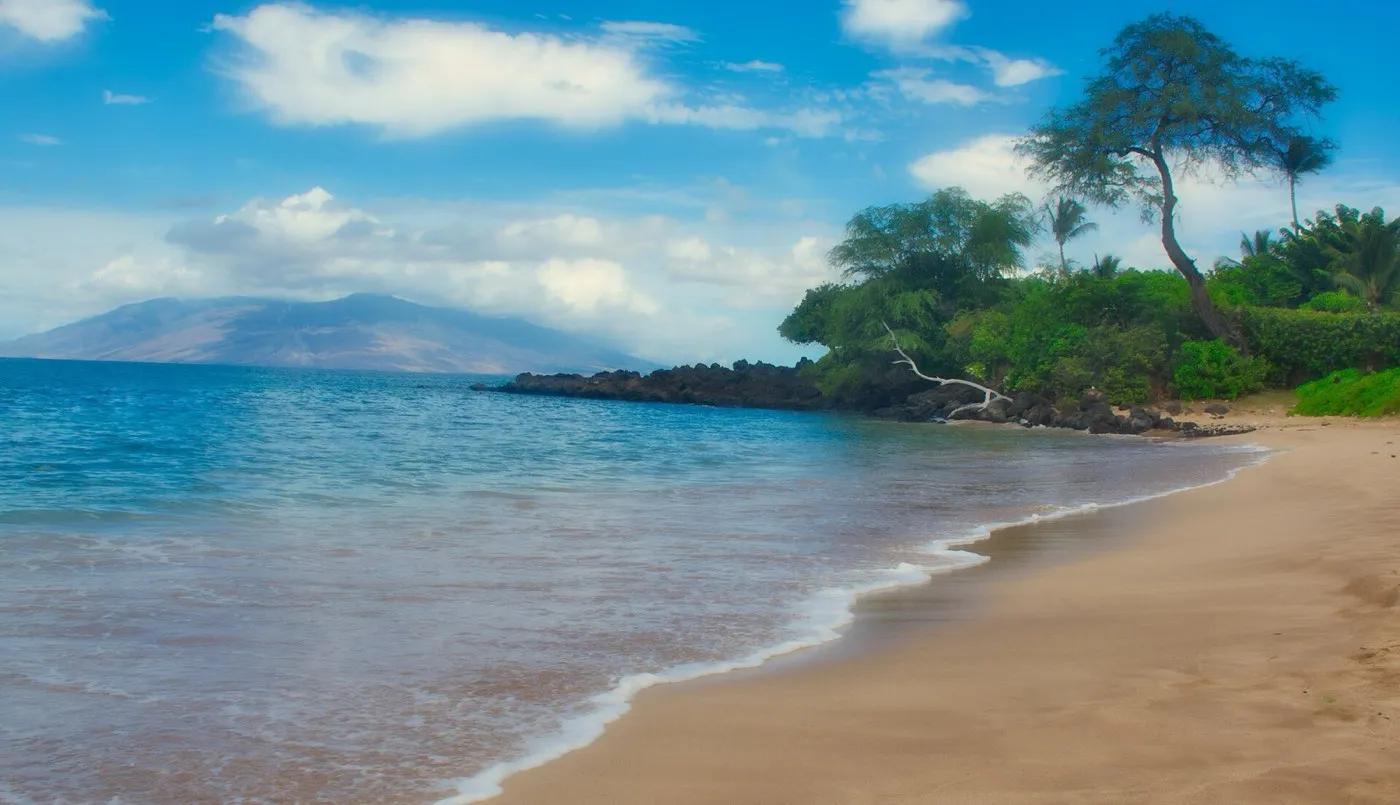
Green sea turtles graze on algae and rest in the shallows of this Makena lava reef, often within a few hundred yards of the sand. Swim out from shore,…
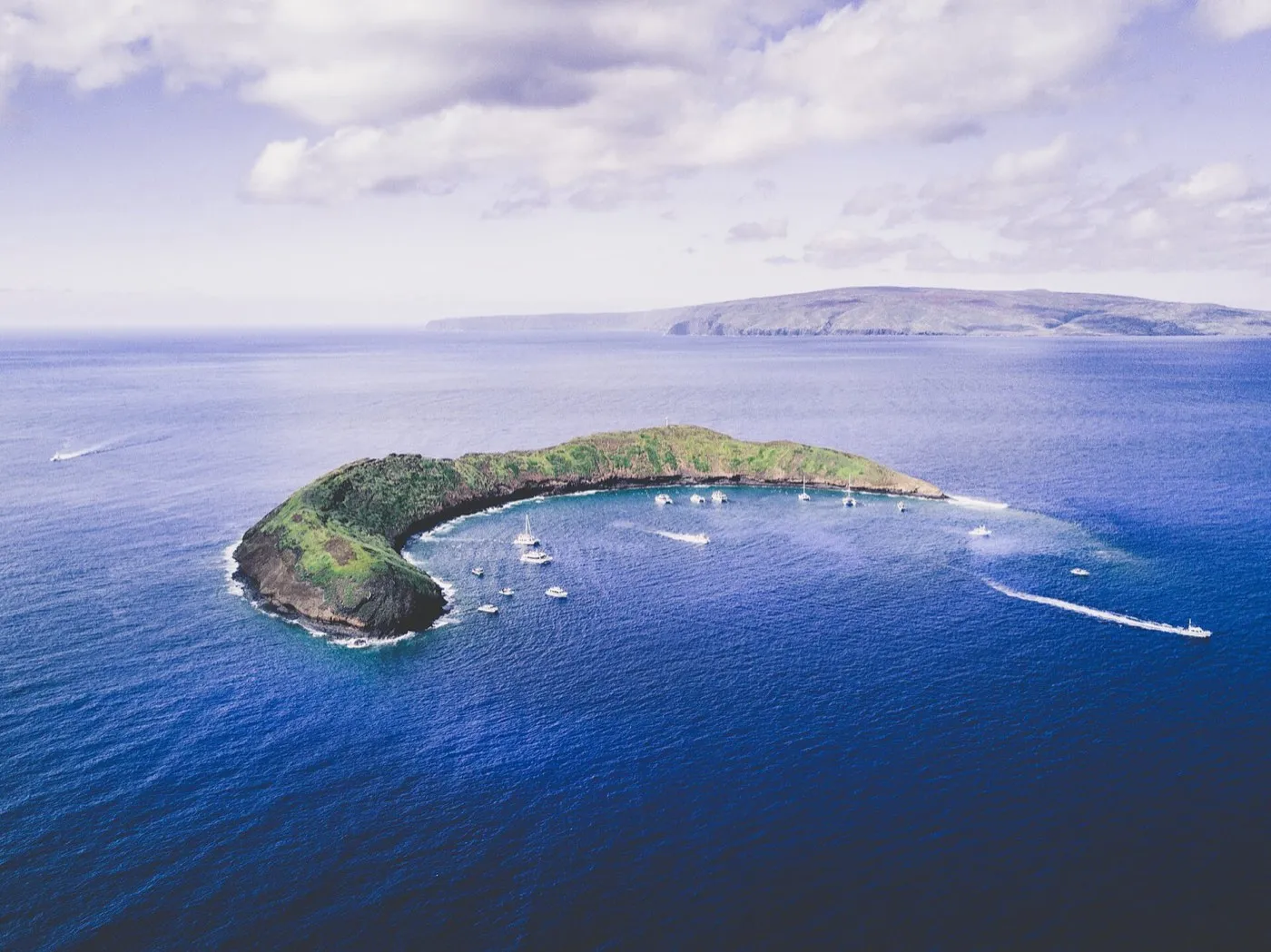
A crescent of volcanic rock rises about 3 miles off Maui's south coast, and its protected inner cove is one of the clearest places to snorkel in…
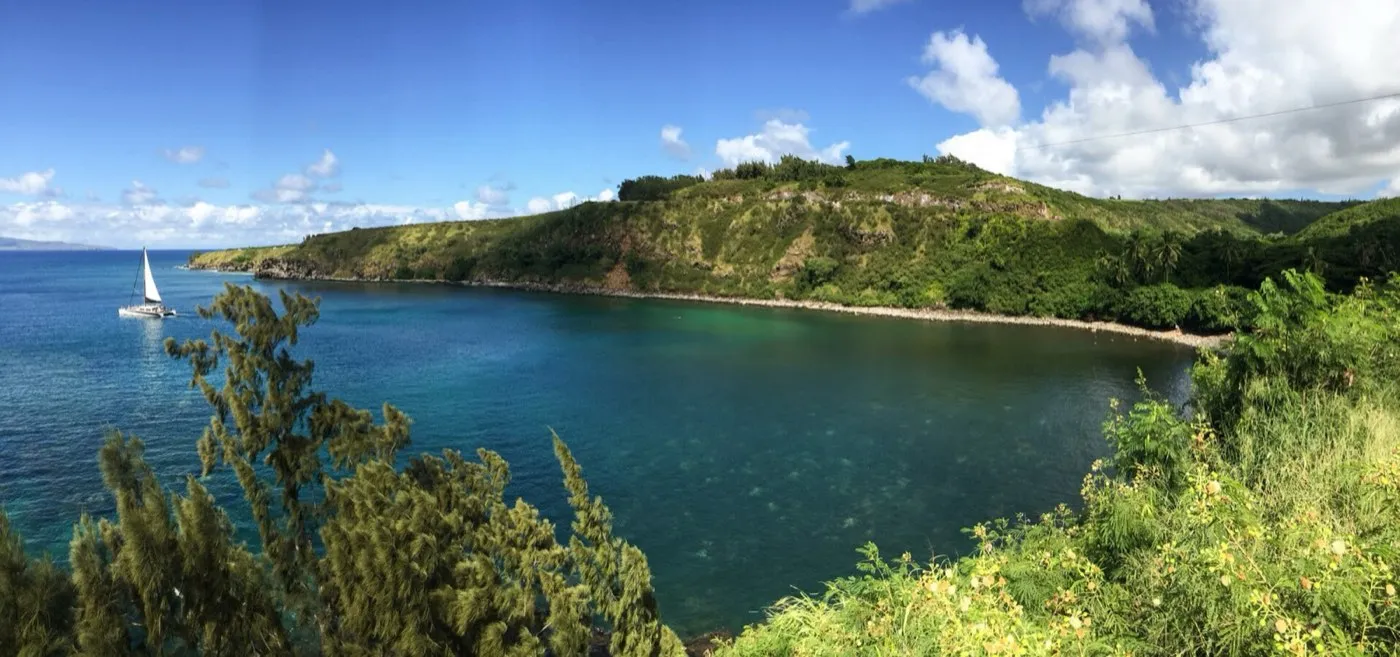
Some of Maui's healthiest coral and busiest fish live in this deep, rocky cove on the northwest coast. In summer the water can be glassy. In winter it…
A reef wall drops along this headland at the north end of Kaanapali Beach, with fish a few kicks from shore. Black Rock, or Puu Kekaa, is the easiest…
We check fees, rules and access against official sources first, then local operators and recent visitor reports. Conditions change, so always follow posted signs and lifeguards. Spotted something out of date? Tell us.