
Access and parking
Honolua Bay is a roadside stop on Highway 30 with no restrooms or showers at the beach. Expect a short jungle trail, rocky entry and tight parking. Arrive early.
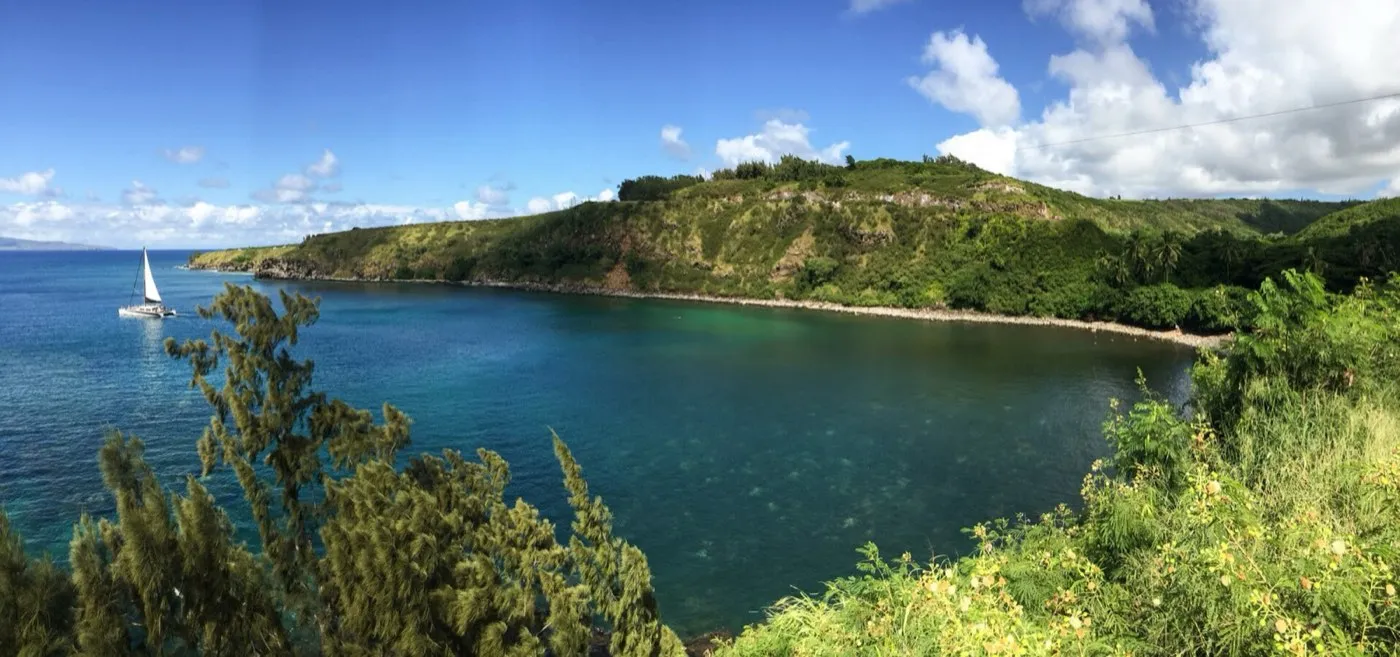
Some of Maui's healthiest coral and busiest fish live in this deep, rocky cove on the northwest coast. In summer the water can be glassy. In winter it is a world-famous surf break, not a place to snorkel. Parking is tight, with no facilities and no lifeguard.
A reef lines both sides of the bay, with a deep channel across the middle. Guides report large schools of convict tang and bigeye scad, parrotfish, triggerfish, snappers and moray eels. The coral is diverse and mostly healthy, even if some is dead. Green sea turtles are common, and one guide usually finds them on the north side.
Walk over the rocks past the old boat ramp and swim about 600 feet to the reef, then follow roughly 700 feet of coral. Our guide source prefers this side.
There is some sand here, but Honolua Stream flows in and often cuts visibility. Reef on this side runs about 500 feet.
Green sea turtles feed in the bay. DLNR also lists humpback whales in season and spinner dolphins in the area.
The turtle you are most likely to meet. Greens graze on algae over shallow reef and rest under ledges. In Hawaii they are protected and very used to snorkelers.
Spotting tip: Scan the rocky edges where waves wash over algae, and sandy cleaning stations where fish pick at their shells.
Guardian rule: Stay at least 10 ft away. Never block a turtle's path to the surface.
Chelonia mydas
A bright lemon-yellow surgeonfish that grazes algae in loose schools. It is one of the easiest Hawaiian reef fish to spot, especially along the Kona coast.
Zebrasoma flavescens
Colorful grazers with fused, beak-like teeth. You can hear them crunch on coral rock, and much of the white sand on tropical beaches passes through them.
Scaridae
A striking black, white and yellow fish with a long trailing fin, often seen in pairs or small groups over Pacific reefs.
Zanclus cornutus
Small, disc-shaped fish in yellow, white and black patterns, usually seen in pairs. Many feed on coral polyps, so they are a good sign of a healthy reef.
Chaetodontidae
Live sea temperature, waves and wind for the next 7 days, with our snorkel rating for each day.
Calm Choppy Rough. Wave heights are offshore model values.
Loading tides…
Forecast: Open-Meteo. Tides: NOAA station 1615680. Model data, not a lifeguard report. Always check posted warnings.
Hand-picked tours that run here, ranked for small groups, a proper reef briefing and respect for wildlife.
by Pacific Whale Foundation (PacWhale Eco-Adventures)
Morning catamaran sail up the West Maui coast to snorkel Honolua Bay, with naturalists, a Snorkel 101 lesson, breakfast and BBQ lunch. Adult price shown during a buy-one-get-one promotion; sites depend on weather and are not guaranteed.
Onboard naturalists, vessels run mostly on biodiesel, food waste is composted and full-face snorkel masks are not allowed. Revenue supports Pacific Whale Foundation.
by Trilogy Excursions
Sailing catamaran from Kaanapali Beach. The captain picks the site each day, most often Honolua Bay, otherwise Cliff House or Olowalu. Gear, flotation, breakfast and BBQ lunch included.
Provides reef-safe sunscreen if you forget yours and says it follows Dolphin SMART wildlife guidelines. Winter north swell can change the site.
We may earn a commission when you book through these links, at no extra cost to you. It never changes which tours we pick. How we choose tours.
Summer is the snorkel season, with calmer water. One guide puts snorkeling at May to September and surfing from October to April. DLNR advises avoiding these waters in winter, when high surf is common. Heavy rain also muddies the bay because the stream runs into it.
Go early. Mornings are calmer and the small parking area fills fast, with one source suggesting arriving before 9 a.m.
No firm tide rule. Check swell and surf before you go, since breaking waves near the edge of the bay are the main danger.
Skip November to March and any day with a north swell, shore break or recent heavy rain. If you are not a confident swimmer, watch from the overlook instead.
| Row | Jan | Feb | Mar | Apr | May | Jun | Jul | Aug | Sep | Oct | Nov | Dec |
|---|---|---|---|---|---|---|---|---|---|---|---|---|
| Snorkel conditions | Avoid | Avoid | Fair | Good | Best | Best | Best | Best | Best | Good | Fair | Avoid |
| Green sea turtle | Good | Good | Best | Best | Best | Best | Best | Best | Best | Best | Good | Good |
| Humpback whale | Best | Best | Best | Good | Avoid | Avoid | Avoid | Avoid | Avoid | Avoid | Avoid | Good |
| Water °F | 77 | 78 | 77 | 78 | 79 | 79 | 80 | 81 | 81 | 80 | 78 | 78 |
Doable in summer for strong swimmers who snorkel with a buddy. The whole bay is about a half-mile swim, so split it into two outings. The entry is over slippery boulders or the old boat ramp, and there is no lifeguard. In winter, do not enter. A guided sail is a safer way to see it.
Swim level: Strong, confident swimmer
Honolua Bay is off Highway 30 north of Lahaina on West Maui's northwest coast. Parking is very limited and the area is congested, so use only legal spaces and move on if it is full.
Sources describe a large turnout overlooking the bay and a second lot with porta-potties farther down the paved road, plus roadside shoulder near mile marker 32. These fill early. A Hawaii Tourism Authority plan flags the bay as a congestion hotspot, and an off-site parking and shuttle system is planned but not in service as far as we found. Do not block gates or stop in a travel lane.
Two shaded dirt trails reach the shore: one about 700 feet near the first bend past the overlook, around a gate, and another about 1,500 feet from the porta-potty lot. Wear closed shoes. Most people enter on the left side near the stream, but the right side over the rocks past the old boat ramp has clearer water. Boulders are slippery.
No fee. Street and turnout parking only; no restrooms, showers or lifeguard at the beach.
Official fees and hoursChecked 2026-10-22. Fees change, so confirm before you go.
Honolua Bay is a roadside stop on Highway 30 with no restrooms or showers at the beach. Expect a short jungle trail, rocky entry and tight parking. Arrive early.
Summer, roughly May to September, is the snorkel season. In winter, north swells make it a surf spot, and DLNR advises avoiding it. Rain muddies the water. Treat the overlook as the winter option.
Convict tang, bigeye scad, parrotfish, triggerfish, snappers and moray eels share the reef with green sea turtles. Coral is diverse, though some is dead.
Honolua Bay sits in the Honolua-Mokuleia Marine Life Conservation District. Maui County also requires mineral sunscreen.
Fishing and harming marine life are prohibited, subject to stated exceptions. Check current DLNR rules before you go. Official rule
Do not remove or alter coral, sand or other geological features. Do not touch, chase, feed or stand on marine life. Official rule
Maui County allows only mineral sunscreen with zinc oxide or titanium dioxide. Wear a rash guard. Official rule
Keep 10 ft from turtles, 50 yards from spinner dolphins and 100 yards from humpback whales. Official rule
How snorkelers protect reefs · Hawaii reef-safe sunscreen rules
These local groups restore coral, rescue wildlife and keep the water clean. Volunteer a morning, donate, or just follow their work.
Marine research and conservation based on Maui
A 501(c)(3) nonprofit that runs marine research, education and conservation from Maui. Its PacWhale Eco-Adventures tours help fund that work, and you can book trips or join programs through the site.
Visit pacificwhale.org →Sea turtle, monk seal and marine debris work on Maui
Founded in 1996, the group protects hawksbill nests and hatchlings on Maui, supports monk seal watches and runs beach and net cleanups. It has a Discovery Center at Whalers Village in Kaanapali and takes volunteers.
Visit wildhawaii.org →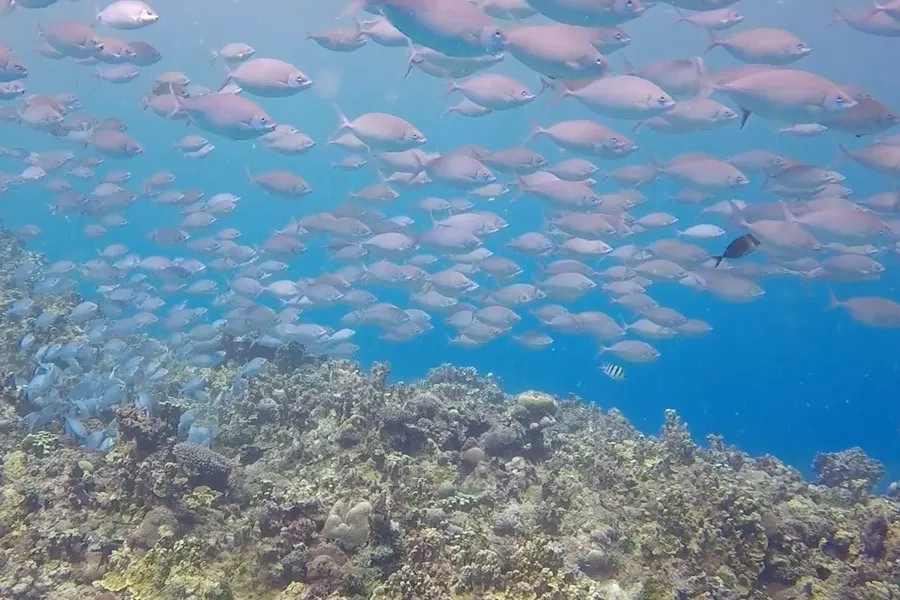
Yes in summer, when the water is calm and the coral and fish are excellent. In winter it is a major surf break and DLNR advises avoiding the water. Check conditions on the day.
Sources point to a large turnout overlooking the bay and a lot with porta-potties farther down the paved road, off Highway 30. Parking is limited, fills early and car break-ins are reported. Park only in legal spaces.
There are two shaded dirt trails, about 700 feet and 1,500 feet, roughly a 5 to 10 minute walk. Wear closed shoes because of roots and mud.
Often. Green sea turtles are common, and one guide usually finds them on the north side. Keep at least 10 feet away.
Yes, it is part of the Honolua-Mokuleia Marine Life Conservation District. Fishing and harming marine life are prohibited, and you may not alter the reef.
Yes. Several West Maui sail and snorkel tours stop here, often leaving from Kaanapali Beach or Lahaina Harbor. Stops depend on weather and are not guaranteed.
What we pack for every snorkel trip. Each link searches the category on Amazon so you can compare brands and prices.
Non-nano zinc oxide only. No oxybenzone or octinoxate, which Hawaii bans.
Shop on Amazon →The best sun protection is fabric. Less sunscreen in the water, less sunburn on your back.
Shop on Amazon →A low-volume mask that fits beats any rental. Short travel fins pack easily.
Shop on Amazon →An inflatable vest lets you rest without standing on the reef. Lifeguards love them.
Shop on Amazon →As an Amazon Associate we earn from qualifying purchases. Disclosure.
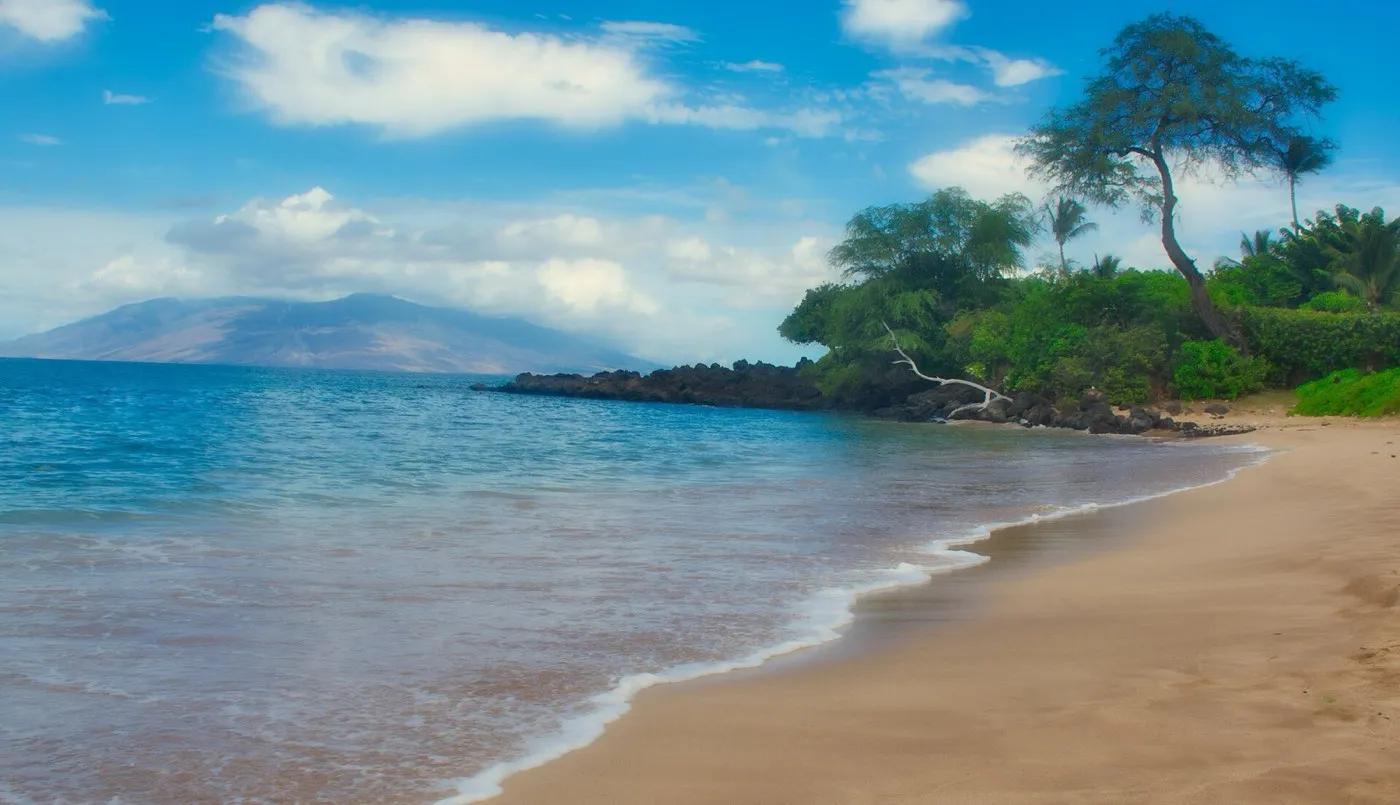
Green sea turtles graze on algae and rest in the shallows of this Makena lava reef, often within a few hundred yards of the sand. Swim out from shore,…
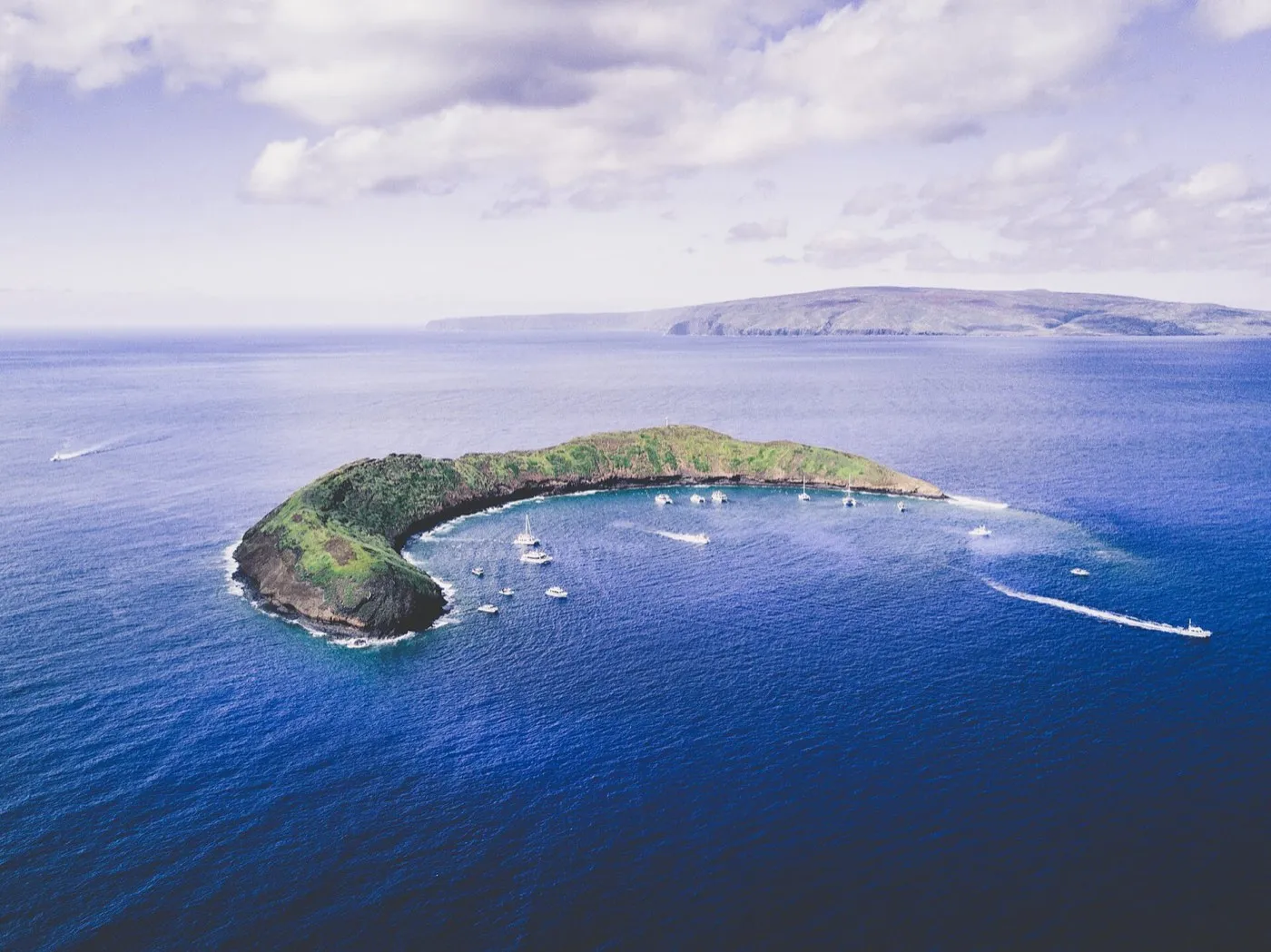
A crescent of volcanic rock rises about 3 miles off Maui's south coast, and its protected inner cove is one of the clearest places to snorkel in…
A reef wall drops along this headland at the north end of Kaanapali Beach, with fish a few kicks from shore. Black Rock, or Puu Kekaa, is the easiest…
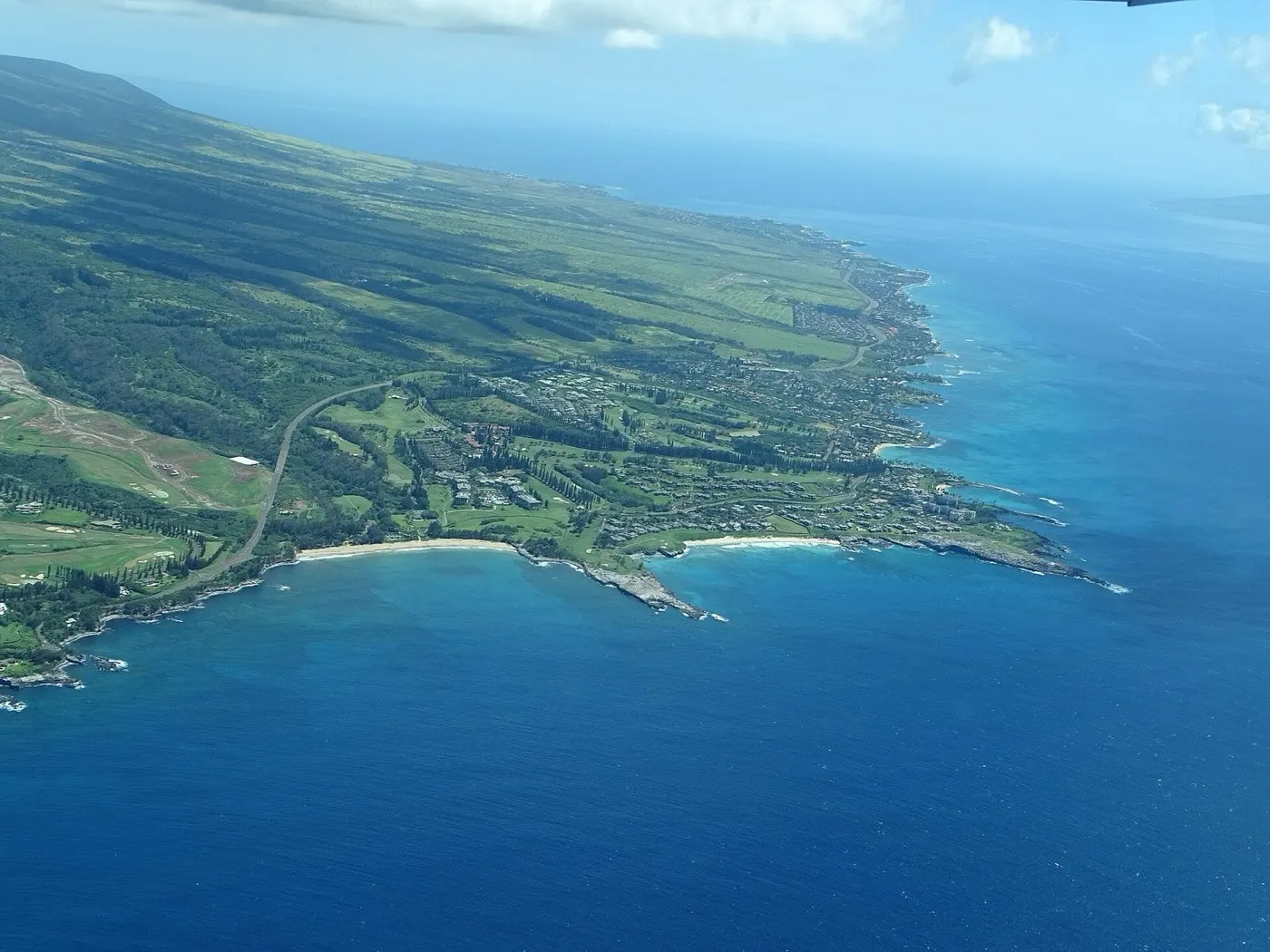
A golden-sand crescent sits between two lava points, and the water here is usually the gentlest on Maui's northwest coast. You enter straight off the…
We check fees, rules and access against official sources first, then local operators and recent visitor reports. Conditions change, so always follow posted signs and lifeguards. Spotted something out of date? Tell us.